



































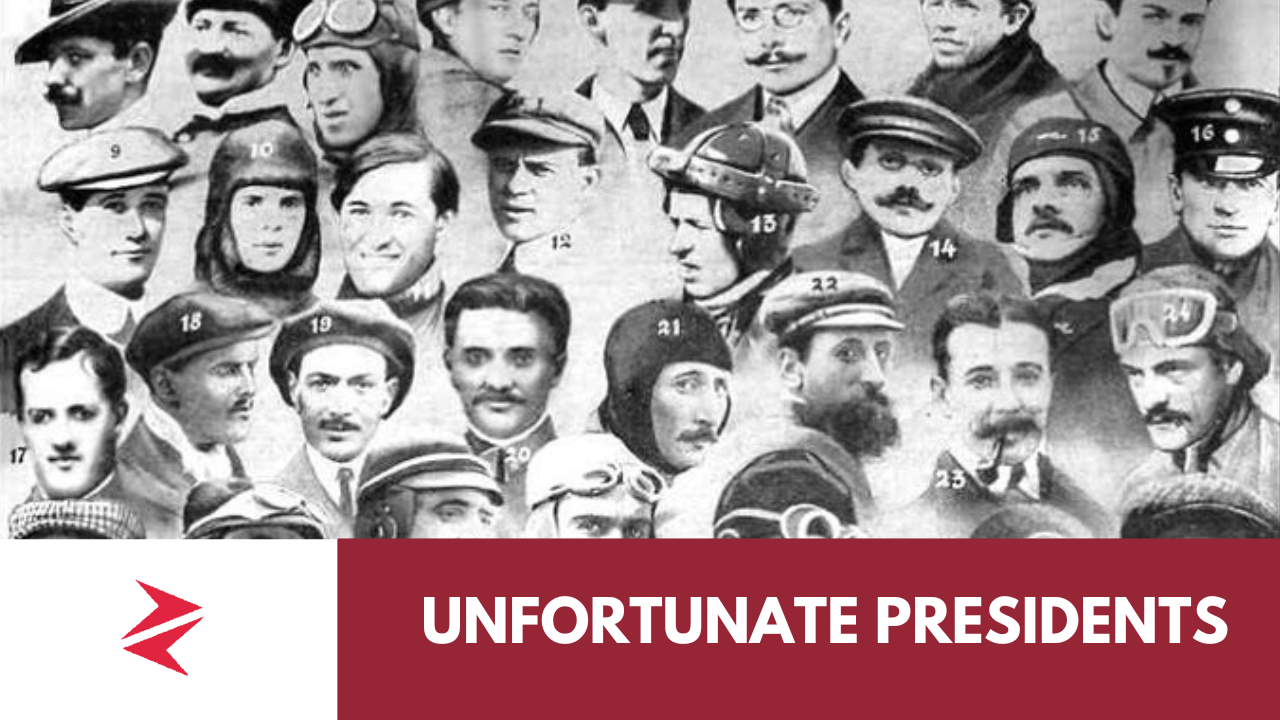
The tragic list of presidents who perished in aviation accidents serves as a stark reminder of the inherent risks they face, even during routine travel, underscoring the dangers associated with their positions. One cannot help but question whether these incidents were mere accidents or deliberate acts. The absence of any American presidents on the list may imply that aviation safety standards in America are relatively higher, while the prevalence of small planes in South American regions may contribute to the increased incidents involving leaders from those nations. Moreover, the inclusion of other prominent figures, such as the Kenyan Chief of Defence Forces in 2024, expands the scope of this somber list.
Panamanian President Torrijos died in a plane crash in 1981
Omar Torrijos was indeed a significant political figure in Panama, serving as the country’s de facto leader from 1968 to 1981. However, he was not the President of Panama but rather the head of the military government. Torrijos was known for his nationalist and populist policies, including land reforms and the negotiation of the Panama Canal Treaties with the United States, which eventually led to the transfer of control of the Panama Canal to Panama. Tragically, Torrijos died in a plane crash on July 31, 1981, under circumstances that some believe to be suspicious. His death had a significant impact on Panama’s political landscape.
I didn’t mention John Garang of South Sudan either. John Garang was indeed not the President of Sudan; he was a prominent Sudanese politician and revolutionary leader. He played a significant role in the Sudanese Civil War and later served as the First Vice President of Sudan and President of the semi-autonomous region of Southern Sudan. However, he tragically died in a helicopter crash on July 30, 2005, shortly after becoming First Vice President following the signing of the Comprehensive Peace Agreement. His death was a significant loss for Sudan and had profound implications for the country’s political landscape.
CDS Bipin Rawat
The loss of General Bipin Rawat, Chief of Defence Staff of India, in a helicopter crash in December 2021 further highlights the vulnerability of high-ranking military officials to aviation accidents. The incident, which occurred in Tamil Nadu, India, claimed several other military personnel’s lives and was a significant blow to the Indian Armed Forces and the nation at large.
