






































Intent, unpacked: four layers
1) Preserve absolute authority
Authoritarian movements survive on one rule: challenge equals extinction. Farooq’s credibility made him uniquely dangerous—not because he was plotting a coup, but because he could plausibly replace the leader.
2) Create deterrence
The location mattered. London—far from Karachi—signaled that distance offered no safety. The message was for cadres everywhere.
3) Reset loyalty through fear
By eliminating a revered insider, the leadership recalibrated loyalty: obedience over competence; silence over succession.
4) Freeze the future
Killing the most credible alternative doesn’t just remove a rival; it halts institutional evolution. Parties stagnate. Leaders fossilize.
The “birthday” claim—and how to treat it responsibly
Some confessions and later political statements allege the date was chosen as a “birthday gift” for Altaf Hussain (born September 17). These claims are reported and contested; they were not the basis of the court’s core reasoning on intent. They should be treated as allegations, not findings.
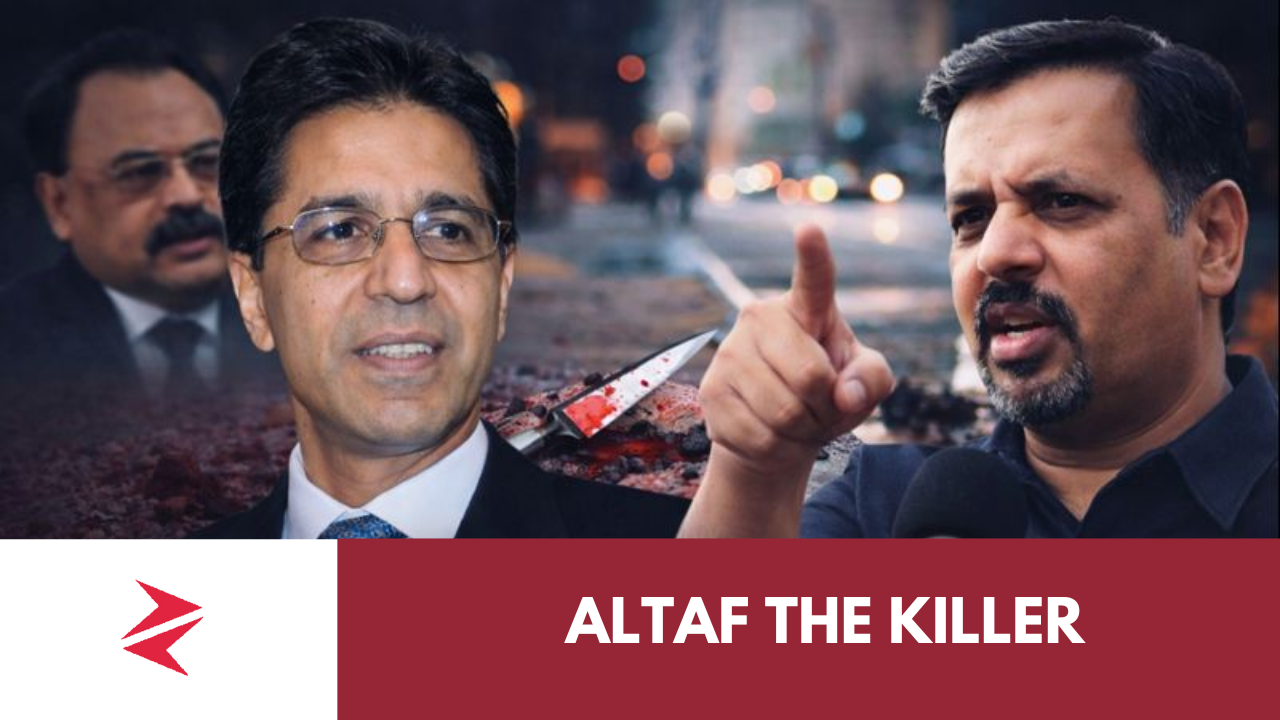
Similarly, recent accusations by Mustafa Kamal—including claims about intoxication or foreign funding—remain partisan assertions amid factional rivalry. They lack independent judicial verification. Reporting them without labels would mislead; we label them clearly.
The UK angle: why no prosecution there?
Despite cooperation between Pakistani authorities and Scotland Yard, no UK charges have been brought against Altaf Hussain, who resides in Britain. Jurisdictional thresholds, evidentiary standards, and political sensitivities differ. The absence of UK prosecution does not negate Pakistan’s court findings; it underscores the limits of cross-border justice.