
















The Narrative Battlefield
Modern wars unfold in three parallel arenas:
-
Military battlefield
-
Political battlefield
-
Narrative battlefield
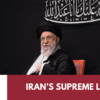
The appointment of Mojtaba Khamenei struck directly at the narrative battlefield.
The narrative promoted by Western commentary suggested that leadership decapitation would destabilize Iran and trigger systemic collapse. Instead, the regime demonstrated succession continuity and rallied institutional support.
In strategic analysis, this outcome represents a failure of the regime-collapse narrative objective.
Strategic Signaling from Tehran
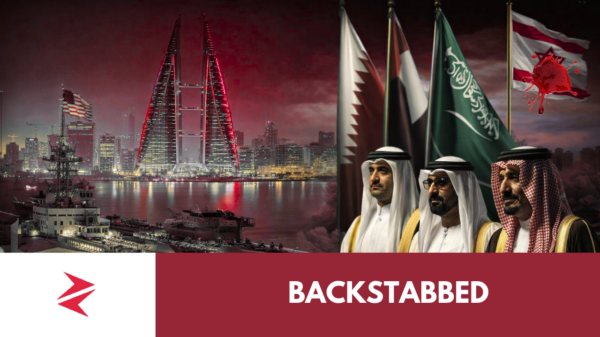
In his first message as leader, Mojtaba Khamenei vowed to continue confrontation with the United States and Israel while warning Gulf states against hosting American bases.
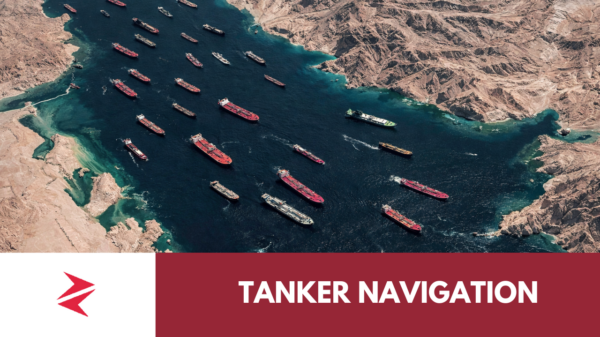
He also emphasized Iran’s ability to disrupt global energy flows by threatening the Strait of Hormuz, a chokepoint responsible for a large portion of the world’s oil shipments.
This statement reveals the next phase of the conflict: economic leverage warfare.
Rather than seeking traditional battlefield victory, Iran’s strategy appears aimed at imposing systemic costs on the global economy until pressure builds for de-escalation.
The Strategic Variables That Will Decide the War
To determine how the war will be won, the following variables must be monitored.
1. Leadership Stability
If Iran maintains political continuity, the objective of regime destabilization remains unmet.

2. Economic Pressure
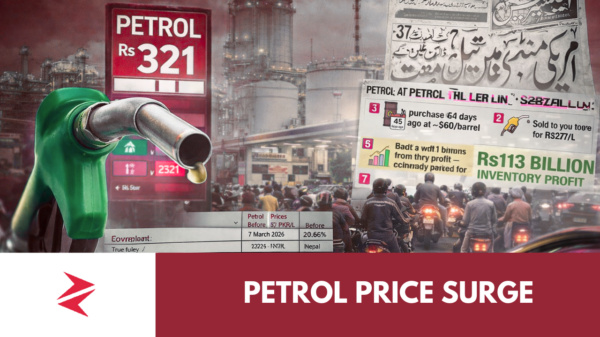
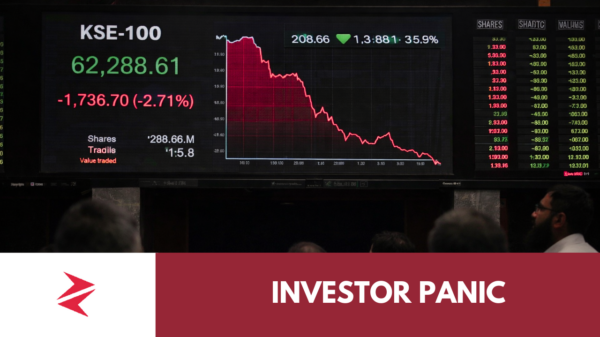
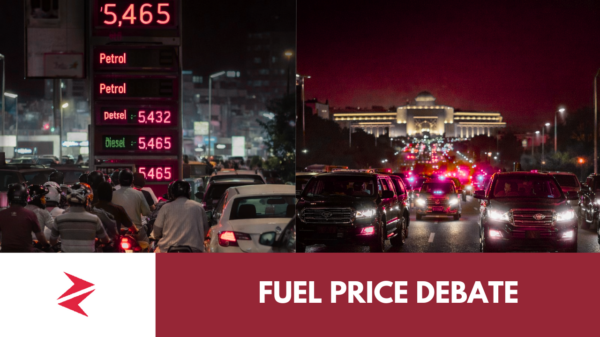
Energy markets are already reacting to the war. Oil prices surged above $100 as disruptions around the Strait of Hormuz intensified.
If energy shocks destabilize global markets, economic leverage becomes a strategic weapon.