



























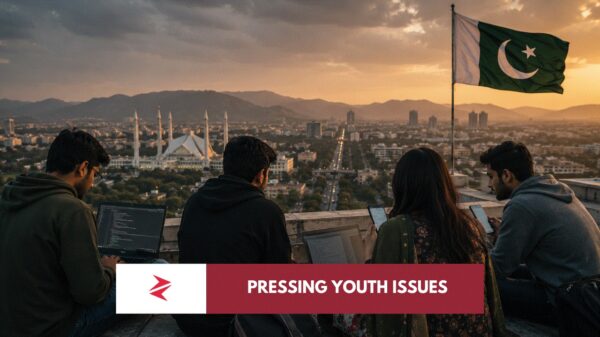





The debate over whether Pakistan belongs to Khorasan sounds, on the surface, like a dry quarrel over medieval geography, but that reading misses the real force of the argument. This is not just about what old maps included, where frontiers once stood, or whether a historic label can be stretched over a modern state. It is about civilizational longing. It is about whether Pakistan, a country born from Partition and sustained through sacrifice, insecurity, and strategic strain, can anchor itself in a larger sacred-historical story that feels older, deeper, and more glorious than the brutal modernity of statecraft.

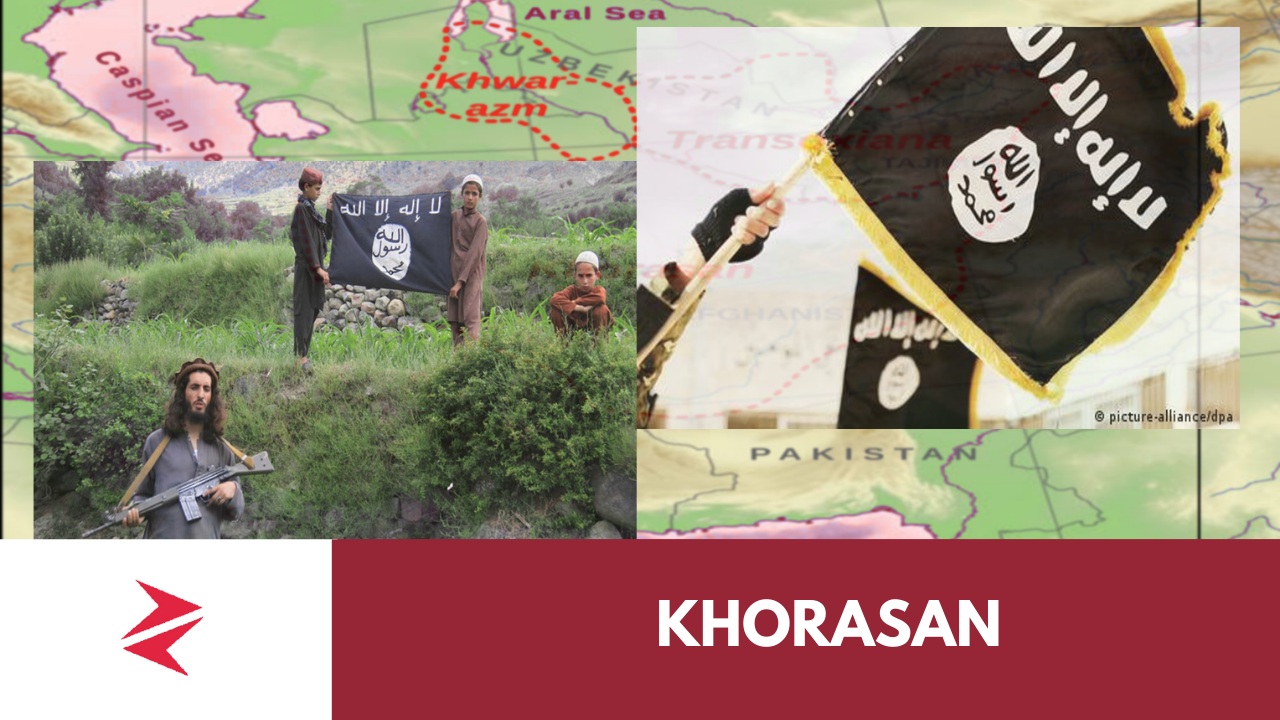
Khorasan hadith, specifically the “Black Flags” traditions, are apocalyptic prophecies predicting that an army carrying black banners will emerge from the East (Khorasan region) to support the Mahdi. Often associated with a leader named Shu’ayb b. Salih, these reports are cited in Islamic eschatology to signify the end times, with some versions urging followers to join them even by crawling over ice.

-
- The Black Banners: The traditions emphasize black flags or banners emerging from Khorasan (modern-day Iran/central Asia) that cannot be repelled.
- Support for the Mahdi: These banners are associated with the coming of the Mahdi, the prophesied redeemer of Islam.
- The Army of the East: Some reports mention that this army will be led by a man named Shu’ayb b. Salih and that they will pave the way for the Mahdi, with some reports specifically mentioning them reaching Jerusalem.
- Significance: While historically linked to the Abbasid revolution, in modern times, these hadith are frequently cited by militant groups to represent a religious uprising and the onset of the final battles.