









Religion as Authority: The Qaum-e-Lut Reference
Many viral posts invoke Qur’anic verses and Hadith referencing the people of Lut (Qaum-e-Lut). These references are used to frame transgender representation not as a rights issue, but as moral transgression.
From an EEAT standpoint, it is critical to clarify:
-
These citations reflect religious opinion, not statutory criminal law
-
Pakistan’s legal system operates at the intersection of Islamic principles and constitutional processes
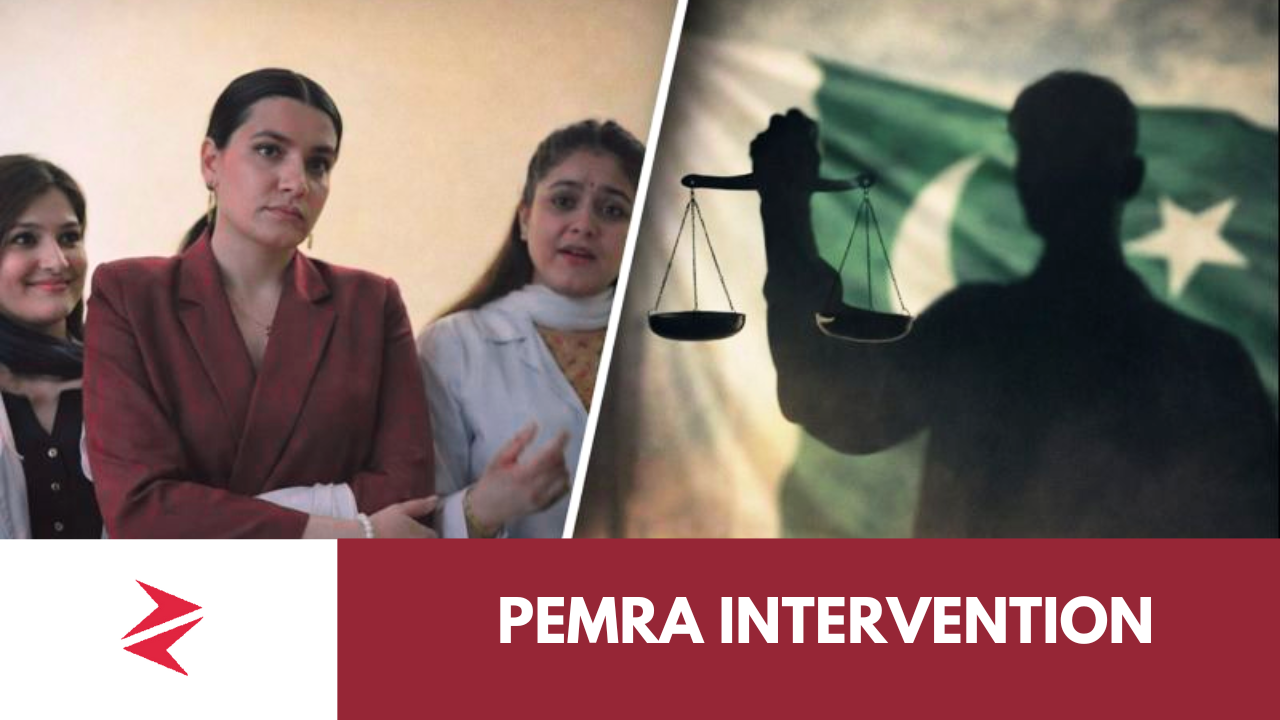
The tension arises when theological positions are treated as immediate regulatory mandates, bypassing institutions like PEMRA.
Maria B’s Intervention: From Designer to Cultural Combatant
Maria B’s video statement rejecting LGBTQ+ advocacy—citing religion, medical biology, and court rulings—acted as an accelerant. Within hours:
-
Millions of views accumulated
-
Thousands of comments split into polarized camps
-
Calls emerged to report channels to PEMRA
Supporters framed her stance as parental responsibility and cultural defense.
Critics accused her of hypocrisy, selectively invoking Islam while participating in a globalized fashion industry.
This secondary debate—who is “Islamic enough” to speak—shifted focus away from the original policy question and into personal attacks.
Media, Funding, and the “Western Agenda” Claim
A recurring assertion across posts is that Pakistani dramas are influenced or funded by Western ideological interests. While such claims resonate emotionally, they require caution.
No publicly verifiable financial documents were presented linking specific dramas to foreign ideological funding. As such: