






































Who Benefits, Who Pays?
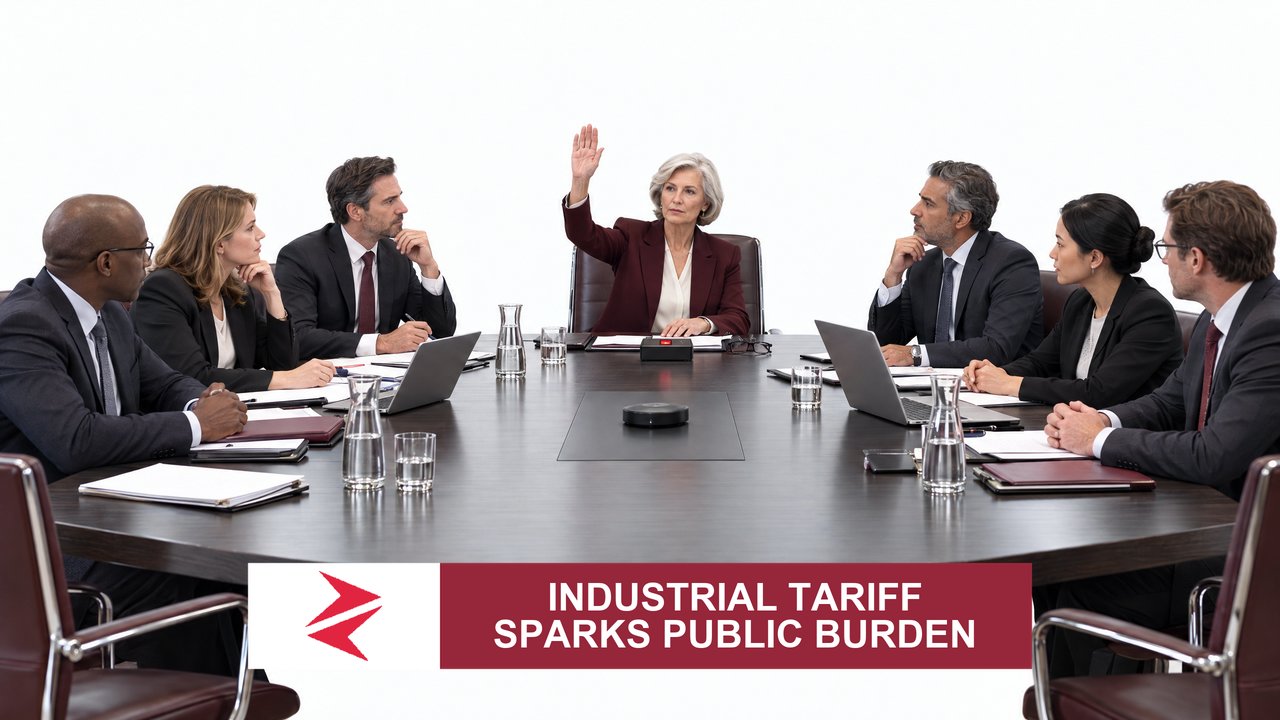
The industrial tariff was meant to spur investment, yet the dissenting members argued it would merely shift the burden to the power‑distribution companies, which in turn pass it on to end‑users. The chairman’s casting vote broke the deadlock, allowing the “first opinion” to prevail despite documented objections. This is not a case of balanced policymaking; it is a clear example of institutional failure where a regulator, entrusted with protecting the public interest, chooses a convenient number over rigorous analysis.
What Must Change?
Accountability begins with transparent data. The Power Division must furnish the marginal cost calculations that NEPRA’s own members have asked for. Only then can a tariff be justified on economic grounds rather than political expediency. Until the regulator stops treating tariffs as a game of numbers and starts treating electricity as a basic service, Pakistan’s households will continue to shoulder the cost of a broken system. The real question is: will NEPRA’s leadership finally let evidence, not a casting vote, decide the price of power?













