























Who built the dome and what that means
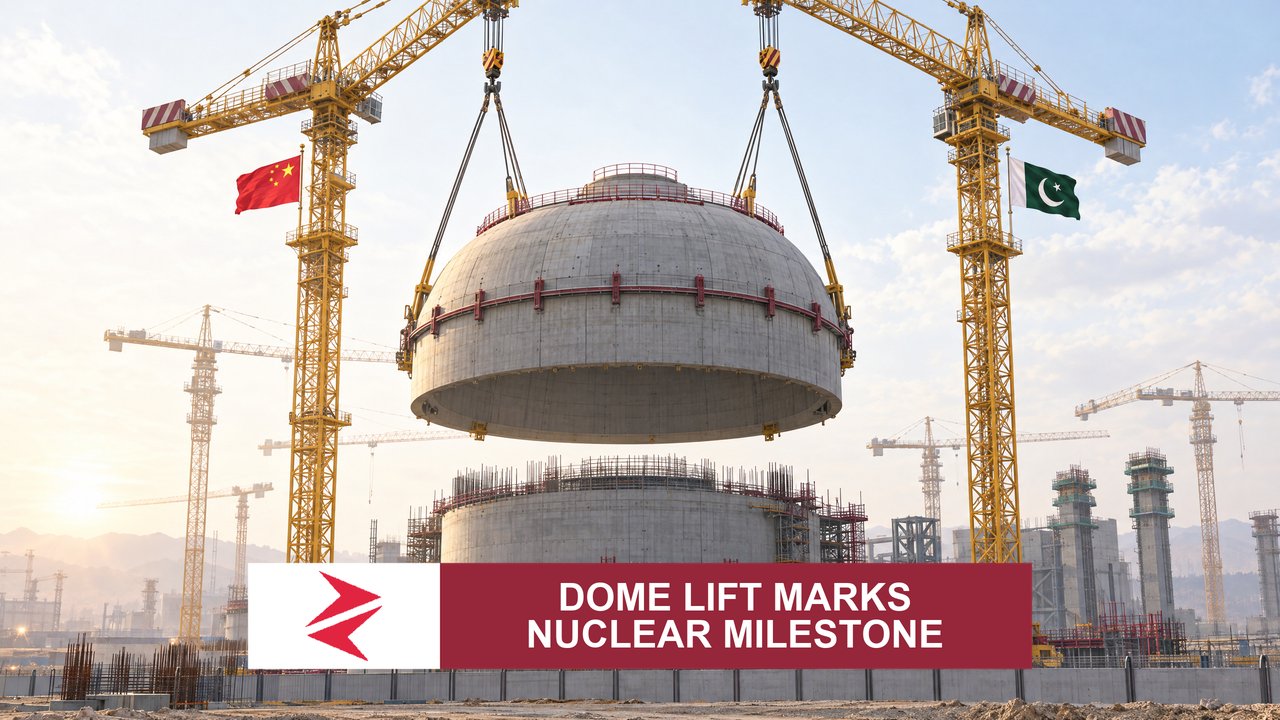
The visual evidence – two photographs attached to the X posts – shows a massive concrete dome being hoisted by yellow tower cranes, with both Pakistani and Chinese flags fluttering beside it. The Chinese contractor’s involvement is not a surprise; China has been a partner on several of Pakistan’s large‑scale infrastructure projects. One sceptical user asked, “What’s so special in installing dome with Chinese contractor? They are installing these domes around the globe.” The question is fair – foreign expertise can accelerate construction, but it also raises the unanswered question of whether the cost of that assistance will be passed on to the end‑user in higher electricity tariffs.
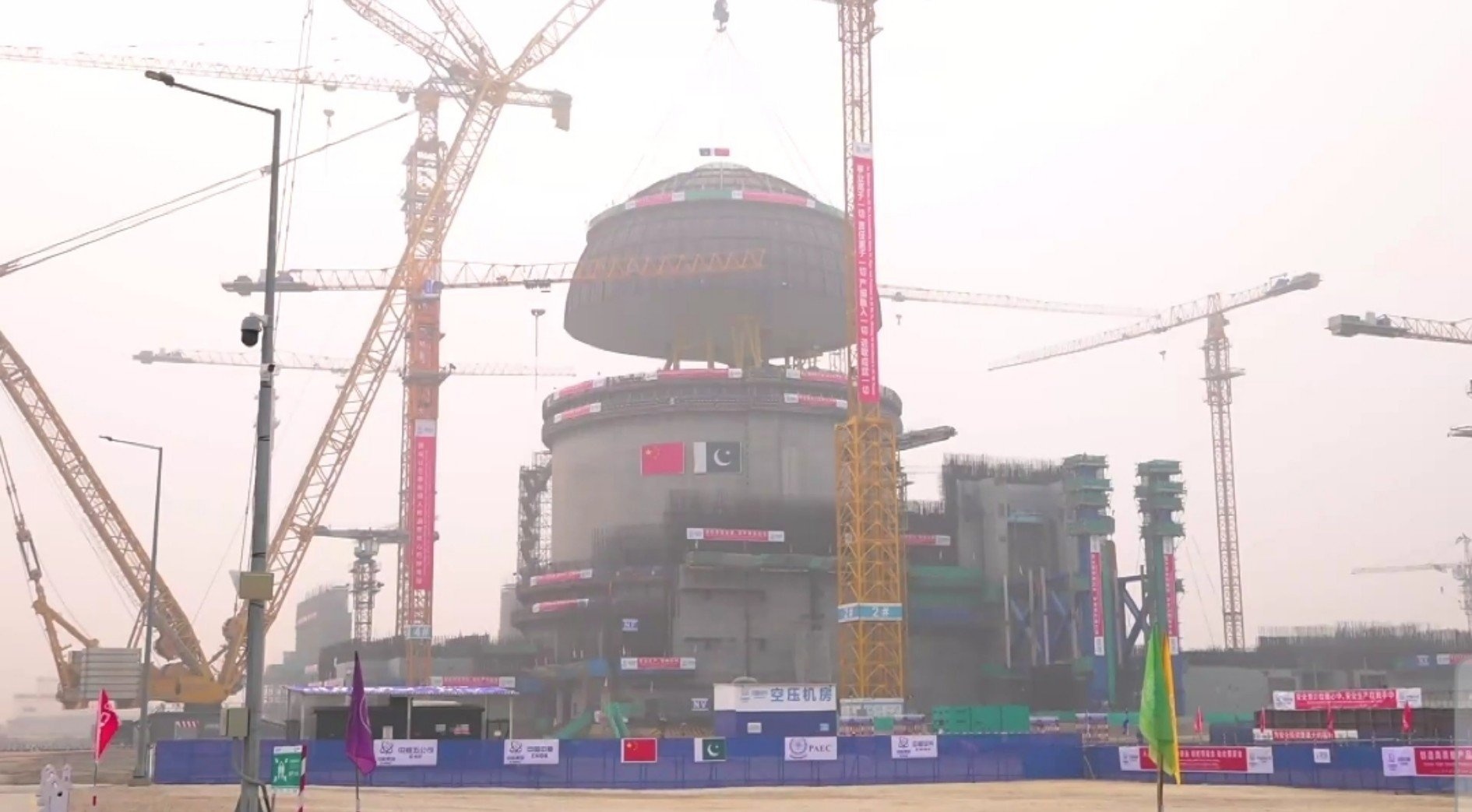
The ceremony and its political weight
The dome‑placement ceremony was attended by Prime Minister Muhammad Shahbaz Sharif, a fact confirmed in the PMO tweet. The presence of the head of government signals that the project is being used as a political badge of achievement. One supporter on X wrote, “MashAllah, great news… hopefully we’ll have 1,200 MW of electricity by 2030.” The optimism is palpable, but the same user admitted the hope is “still a promise.”
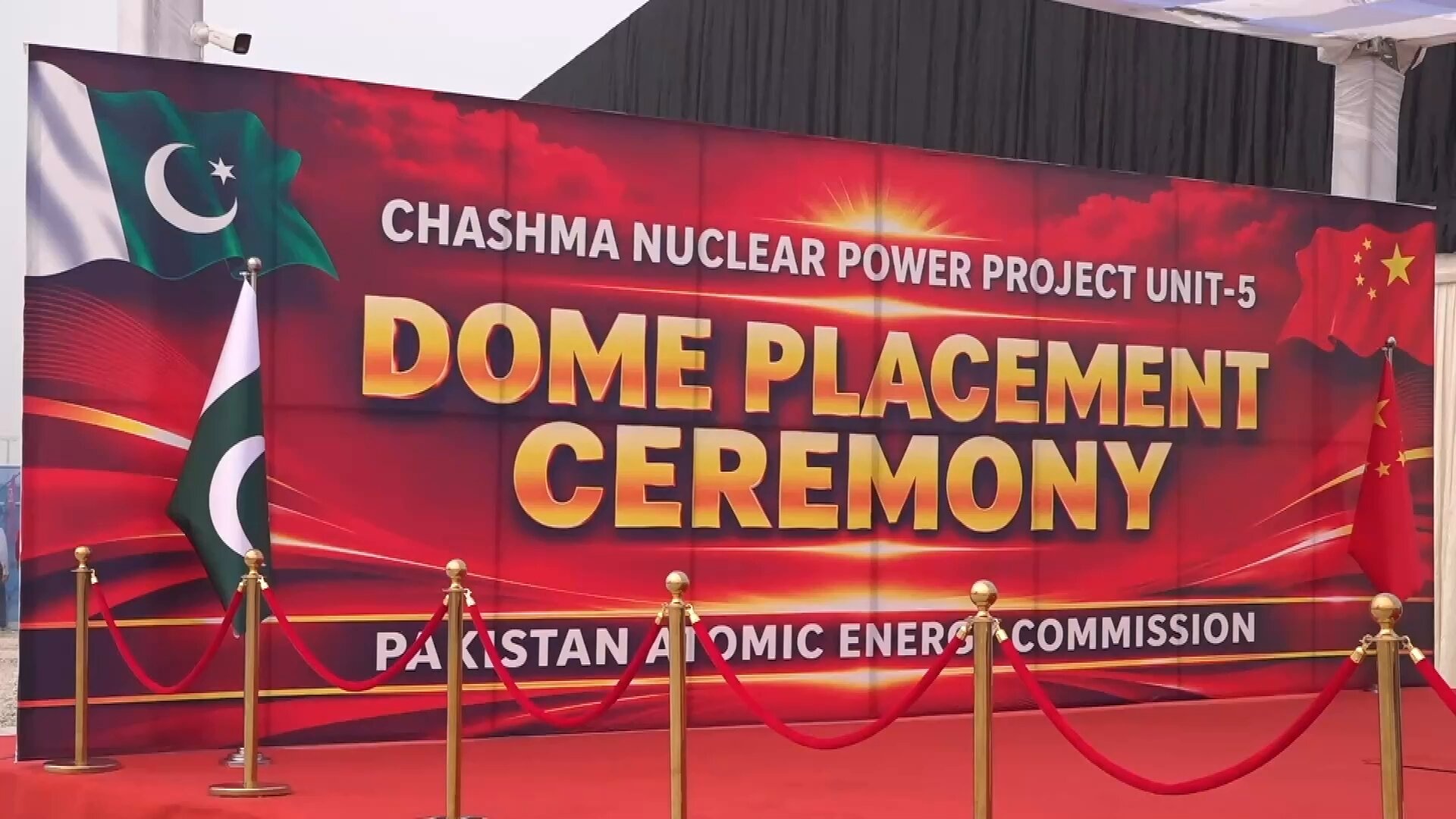
What remains invisible
Beyond the celebratory banners, two critical pieces of information are missing. First, the per‑unit cost of the electricity that Chashma‑5 will generate remains undisclosed. A user asked, “What’s per unit cost of nuclear energy??” without receiving an answer. Second, the financing structure – how much of the project is funded by Chinese loans versus Pakistani capital – has not been clarified. Without those details, the public cannot assess whether the plant will truly lower the price of power or simply add another debt burden to the national exchequer.