








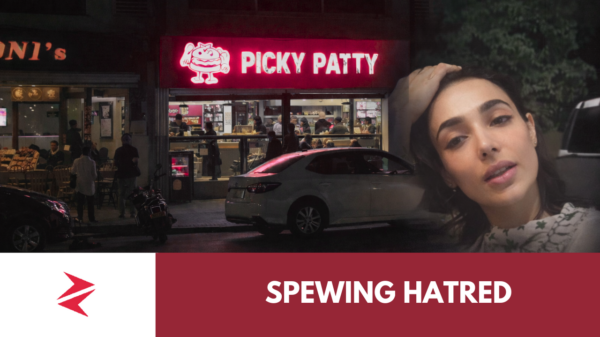
Her forehead is bigger than her entire restaurant
guess who?
— Zorays Khalid (@zorayskhalid) March 6, 2026
Fifth, several replies argued that if someone expresses ethnic prejudice while earning money in Lahore, they should expect public backlash and loss of patronage. Sixth, others described the boycott as a necessary warning to businesses that ethnic discrimination will not be tolerated in Punjab’s commercial environment. Seventh, a number of replies accused the owner of hypocrisy, claiming she had built her career and business in Lahore while allegedly harboring resentment toward Punjabis. Eighth, some comments argued that racism should lead to social and professional consequences, framing the backlash as a form of accountability rather than harassment.
Ninth, a number of users argued that negative reviews and economic pressure were legitimate tools of consumer activism, particularly when the controversy involved employment discrimination. Finally, several replies framed the issue as part of a larger pattern of ethnic hostility between communities, claiming the comments reflected deeper tensions rather than a single isolated statement.
This explains why: Saheefa Jabbar Khattak gets honest about mental health struggle
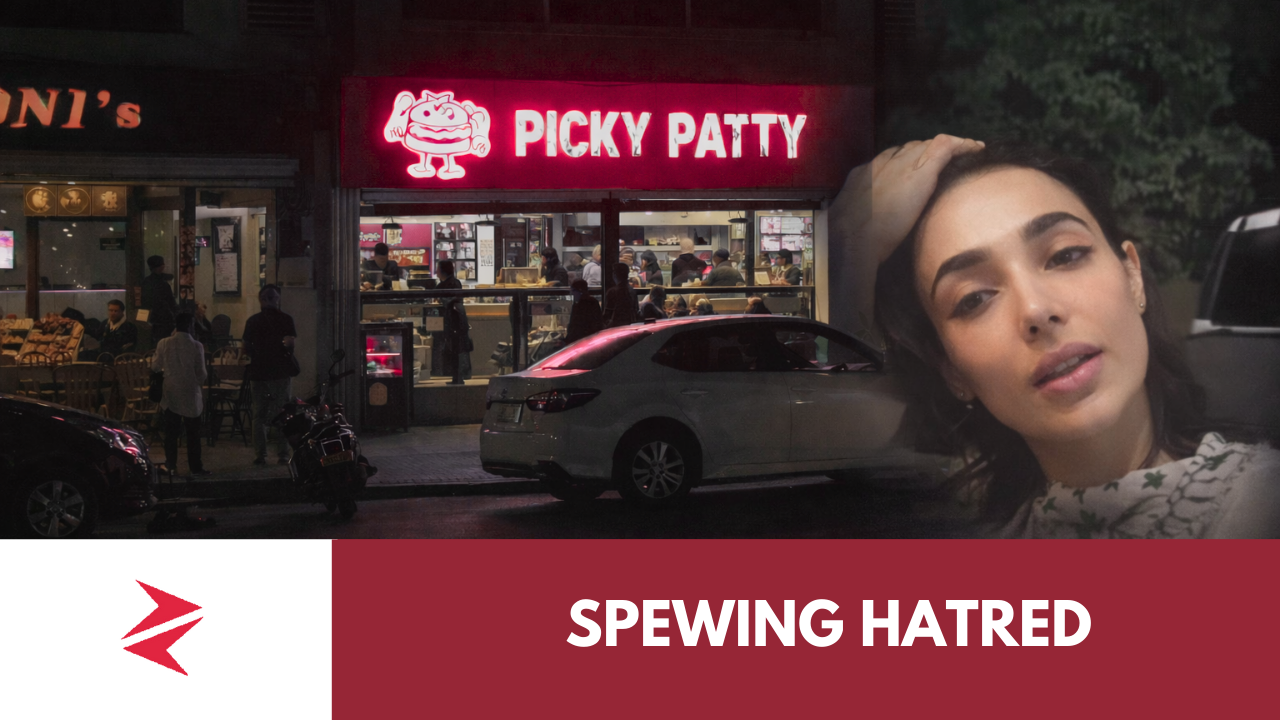
The episode demonstrates how quickly a short viral clip can transform into a full-scale reputational crisis in Pakistan’s hyperconnected digital ecosystem. In cities like Lahore, where restaurants depend heavily on social media visibility, a sudden wave of negative reviews can dramatically affect public perception and customer traffic. Online outrage, when combined with organized calls for boycotts, has increasingly become a powerful force shaping business reputations.