


































Two incidents. Same university. Same department. Weeks apart.
At the University of Lahore, the deaths and attempts linked to Pharm-D students have shaken Pakistan’s conscience. What unfolded between December 2025 and January 2026 is no longer dismissible as coincidence or isolated tragedy. It is a systems failure.
On December 19, 2025, a fifth-semester Pharm-D student, Muhammad Awais, reportedly died after jumping from the fourth floor of a campus building. Accounts from peers describe a high-achieving student crushed by rigid attendance rules—short in one subject, barred from the entire semester—amid financial strain and alleged humiliation.
On January 5, 2026, a first-semester female Pharm-D student attempted suicide from the same site, sustaining critical injuries. Investigations continue, with authorities exploring personal factors; yet the proximity, timing, and departmental overlap ignited public outrage.
Why this cannot be brushed aside
When tragedies cluster within days, in one department, under one administration, the burden of proof shifts from students to institutions. Universities are custodians of young lives, not mere dispensers of grades. Rules that erase a semester over a single shortfall may be administratively neat—but psychologically brutal. When discretion disappears, humanity often follows.
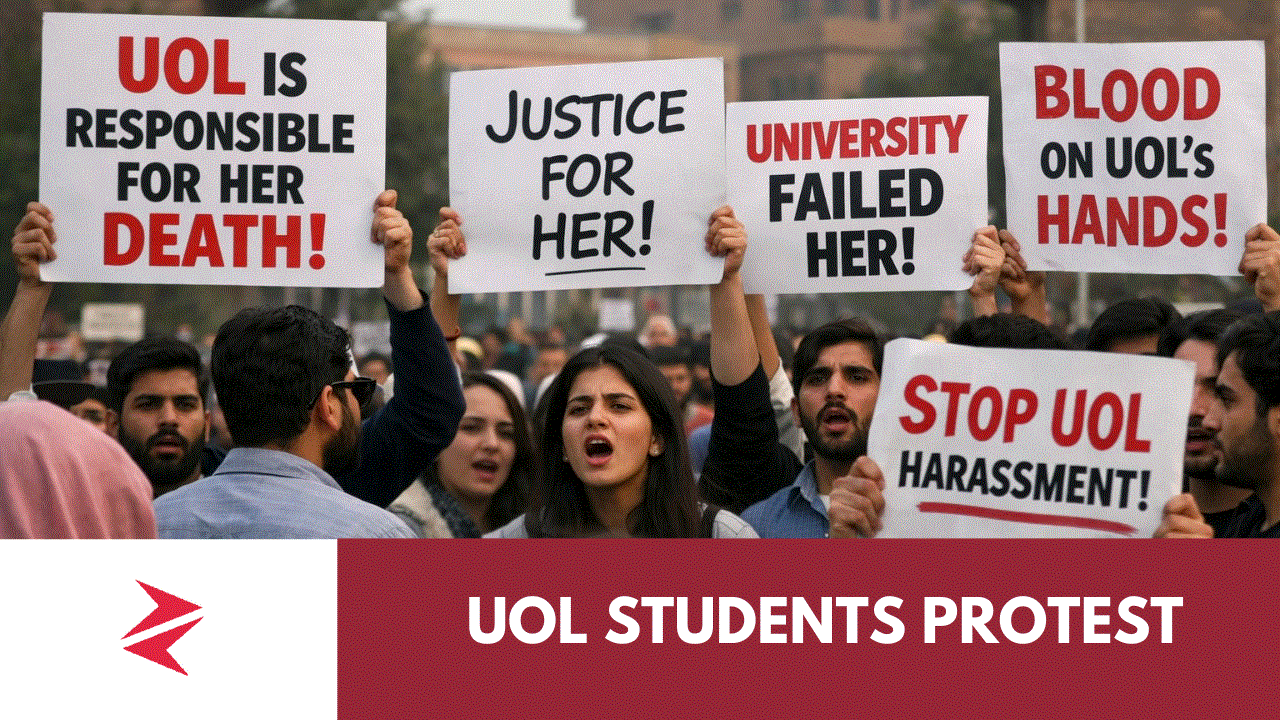
Social media amplified what campuses whispered: allegations of attendance weaponization, lack of counseling, financial pressure, and faculty conduct that crosses from discipline into dehumanization. Student protests demanded an independent inquiry, policy reform, and free, accessible mental-health services. A faculty member’s suspension, while significant, does not close the case—it opens it.