




























The Qur’anic Frame: Martyrdom and Narrative
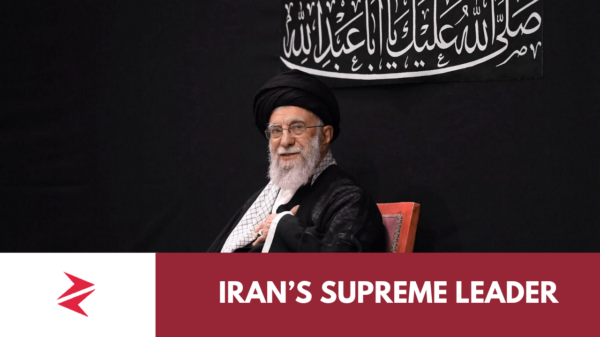
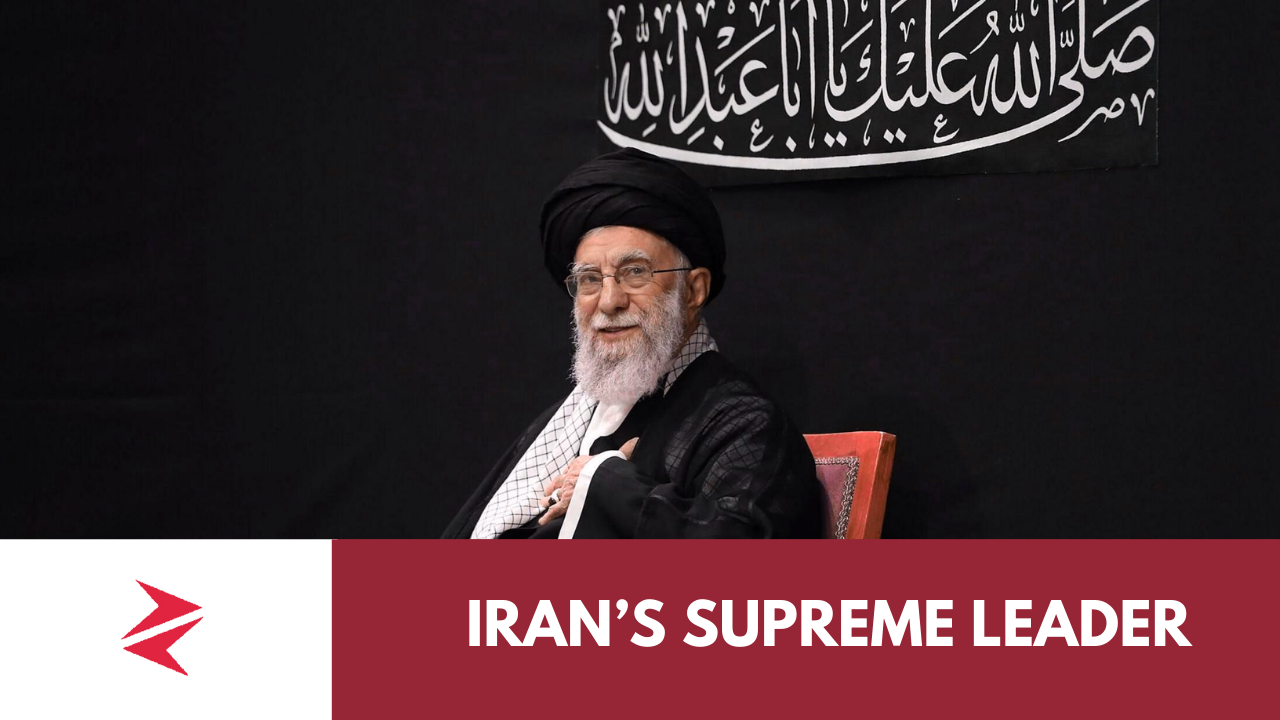
Within Islamic discourse, when claims of assassination surface, a specific Qur’anic verse is often cited:
وَلَا تَحْسَبَنَّ ٱلَّذِينَ قُتِلُوا۟ فِى سَبِيلِ ٱللَّهِ أَمْوَٰتًۭا ۚ بَلْ أَحْيَآءٌ عِندَ رَبِّهِمْ يُرْزَقُونَ
“And do not think of those who are killed in the way of Allah as dead. Rather, they are alive with their Lord, receiving provision.” (Qur’an 3:169)
The invocation of this verse does not confirm any event; it reflects how religious framing rapidly overlays geopolitical rumor. In moments of uncertainty, theology becomes narrative armor.
Saudi Arabia’s Statement and Regional Shockwaves
Compounding the volatility, Saudi Arabia issued a formal statement condemning Iranian aggression and affirming solidarity with the UAE, Bahrain, Qatar, Kuwait, and Jordan. The language emphasized sovereignty violations and warned of grave consequences under international law. This widened the conflict frame beyond a bilateral Iran-Israel confrontation.
At the same time, commentary across social platforms speculated about Operation “Roaring Lion,” alleged U.S. force buildup, AWACS deployments, and retaliatory missile exchanges. Some posts framed the episode as the brink of #WorldWar3, while others predicted a limited, controlled escalation culminating in ceasefire.
What changed, according to several analysts, is tempo. Iran reportedly responded within 40 minutes in this latest cycle — far swifter than prior exchanges. Whether that indicates central command continuity or decentralized retaliation remains debated.