





































Saudi Arabia’s Statement and Regional Shockwaves
Compounding the volatility, Saudi Arabia issued a formal statement condemning Iranian aggression and affirming solidarity with the UAE, Bahrain, Qatar, Kuwait, and Jordan. The language emphasized sovereignty violations and warned of grave consequences under international law. This widened the conflict frame beyond a bilateral Iran-Israel confrontation.
At the same time, commentary across social platforms speculated about Operation “Roaring Lion,” alleged U.S. force buildup, AWACS deployments, and retaliatory missile exchanges. Some posts framed the episode as the brink of #WorldWar3, while others predicted a limited, controlled escalation culminating in ceasefire.
What changed, according to several analysts, is tempo. Iran reportedly responded within 40 minutes in this latest cycle — far swifter than prior exchanges. Whether that indicates central command continuity or decentralized retaliation remains debated.
Succession Speculation and the IRGC Factor
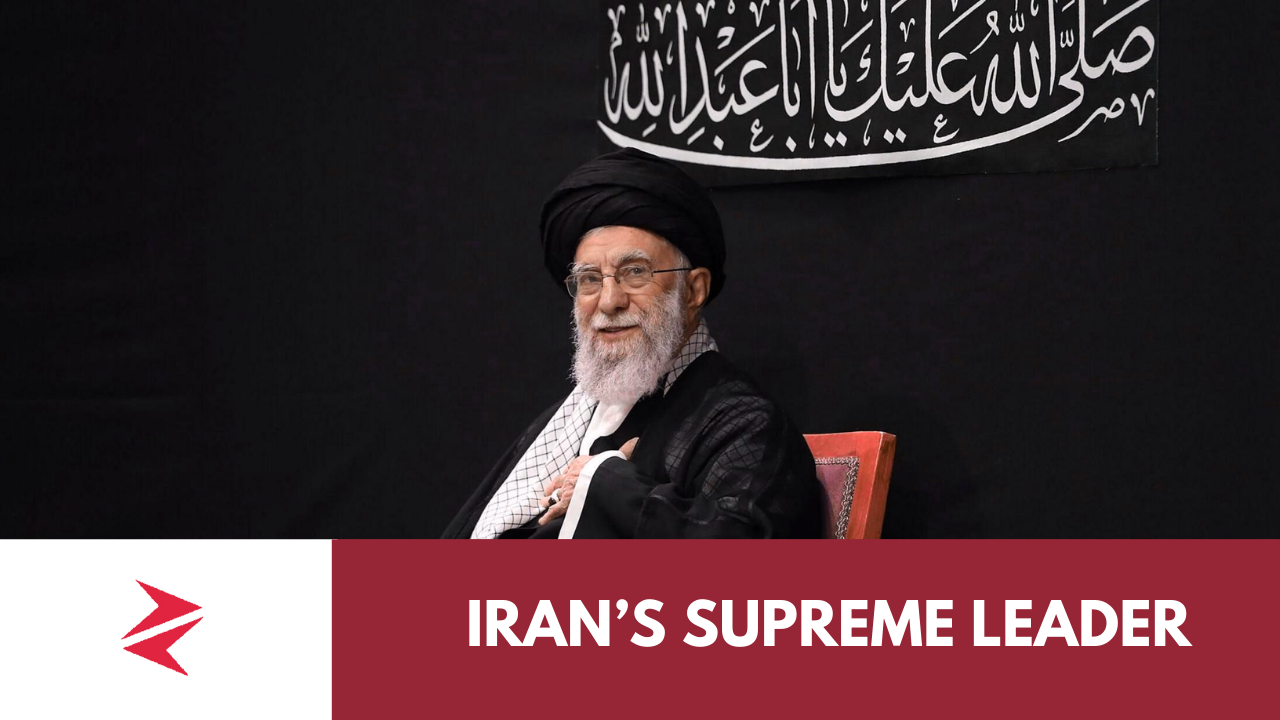
Much of the “confirmation” language online has leaned heavily on succession projections. CIA assessments and geopolitical analysts have long speculated that, if Khamenei were removed, a hardline IRGC-aligned successor could emerge rapidly. But speculation about succession is not evidence of death.
Historically, Iranian leadership transitions — including the post-Khomeini selection process — have involved structured clerical mechanisms through the Assembly of Experts. Sudden silence or visible elite fragmentation would be expected signals of confirmed removal. Those signals have not materialized publicly.