




























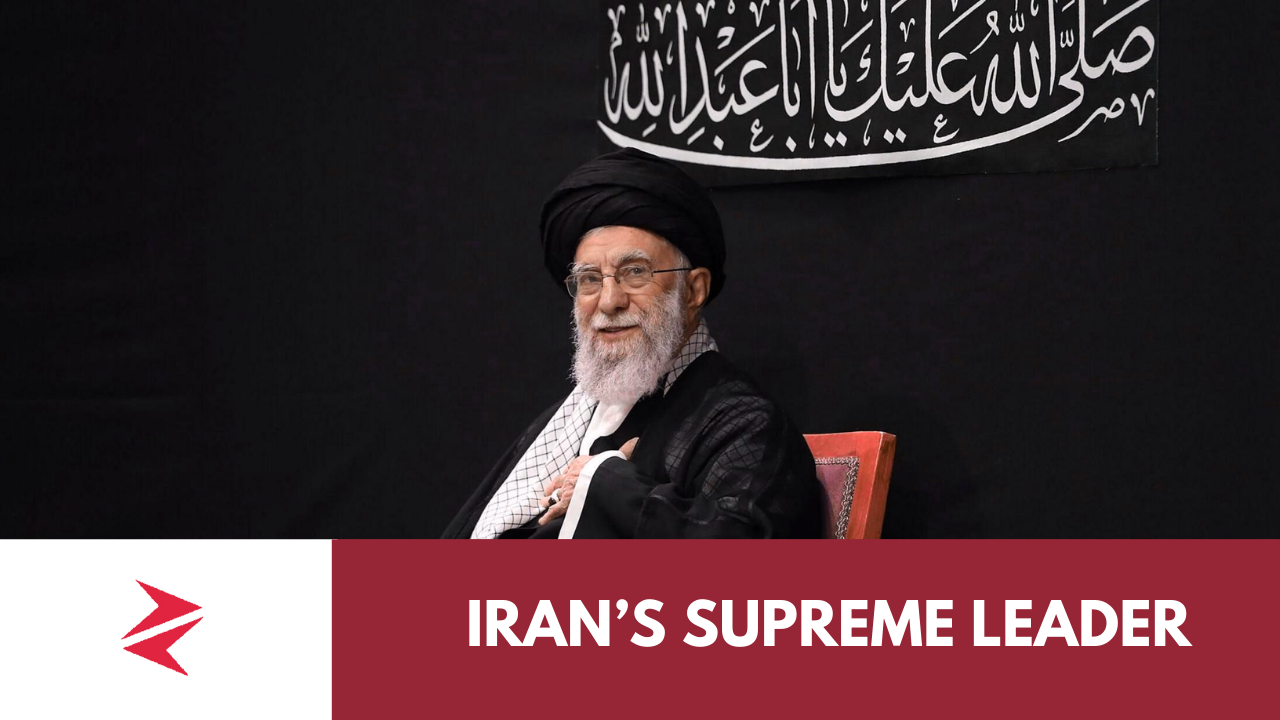
Succession Speculation and the IRGC Factor
Much of the “confirmation” language online has leaned heavily on succession projections. CIA assessments and geopolitical analysts have long speculated that, if Khamenei were removed, a hardline IRGC-aligned successor could emerge rapidly. But speculation about succession is not evidence of death.
Historically, Iranian leadership transitions — including the post-Khomeini selection process — have involved structured clerical mechanisms through the Assembly of Experts. Sudden silence or visible elite fragmentation would be expected signals of confirmed removal. Those signals have not materialized publicly.
Why This Matters Beyond Tehran
Death rumors during wartime are not random; they are strategic instruments. If true, elimination of a Supreme Leader reshapes deterrence calculus overnight. If false, amplification damages media credibility and fuels distrust.
The rapid spread of the claim — followed by clarifications — reveals a deeper structural issue: in high-velocity conflicts, state-origin narratives travel faster than verification processes. Social platforms accelerate emotion. Official agencies scramble to recalibrate.
Even outlets that carried the claim frequently hedged language with “likely,” “according to Israeli officials,” or “unconfirmed.” That hedging is not weakness; it is the last line of professional caution.
The Only Responsible Conclusion — For Now
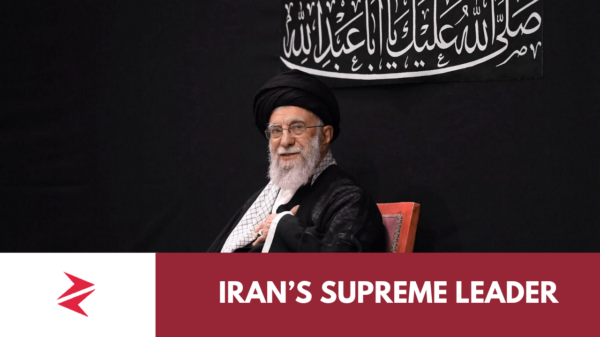
There is, as of now, no independently verified proof that Ayatollah Ali Khamenei has been killed. There is also no independently verified visual proof of life presented publicly. Iranian officials assert he remains alive and active. Israeli-origin claims assert elimination. Major agencies have clarified reporting positions.
Until concrete, independently corroborated evidence emerges, definitive declarations — whether “He is dead” or “He is alive” — exceed what verified facts can sustain.
What is certain, however, is this: the information battlefield is fully active. Headlines are being weaponized. Reactions are being engineered. Geopolitical narratives are being shaped in real time.
And in such moments, discipline — not adrenaline — defines credibility.