























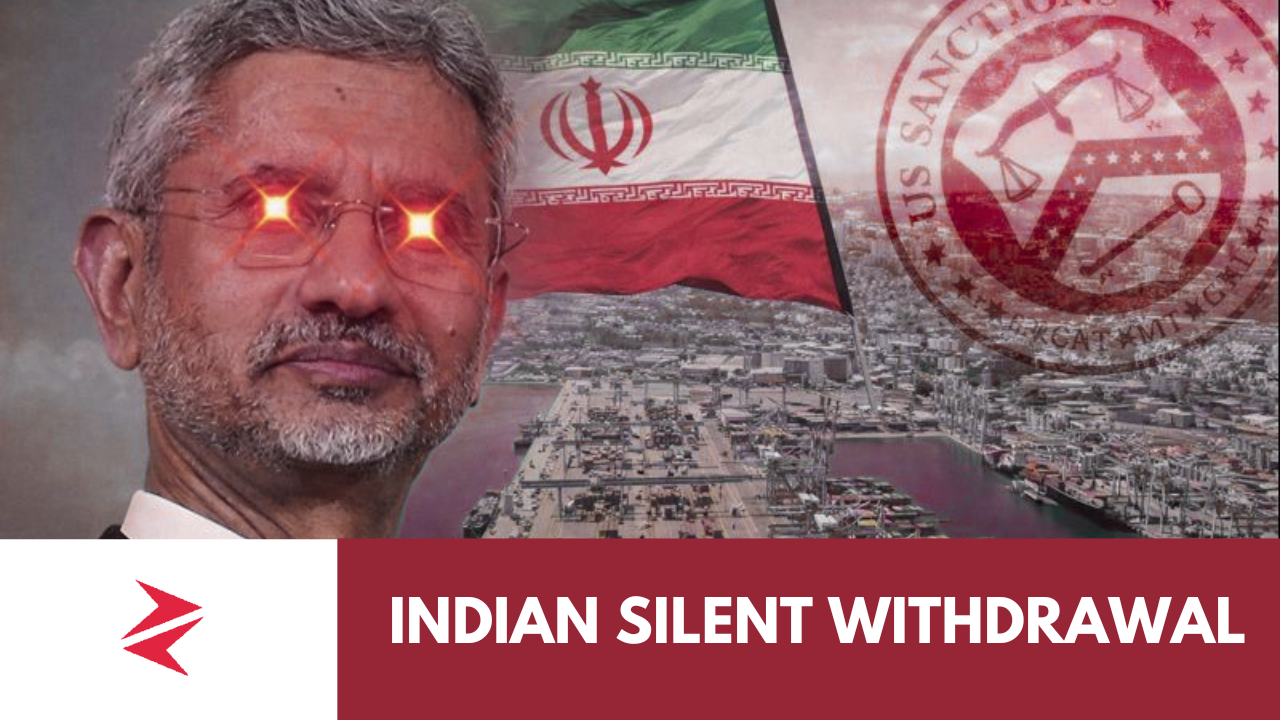
India’s reported exit from the development and operation of Iran’s Chabahar Port marks a significant realignment in South Asian geopolitics and trade strategy. After years of investment and strategic positioning, New Delhi has stepped back amid looming U.S. sanctions, concluding its formal involvement even as committed funds were fully disbursed. The move underscores the intensifying pressure of U.S. policy levers on allied states and raises questions about India’s regional ambitions, economic autonomy, and the future of multipolar maritime cooperation.
Background: Why Chabahar Mattered to India
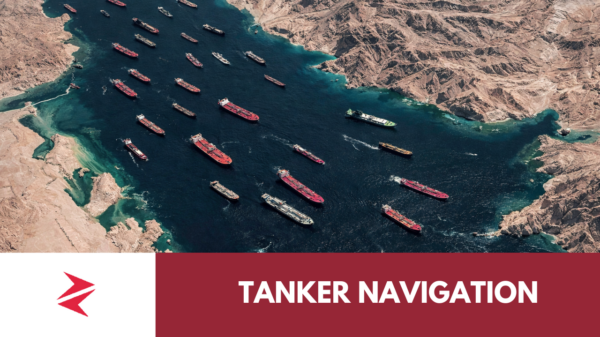
Chabahar Port (in southeastern Iran on the Gulf of Oman) has been central to India’s regional connectivity strategy, offering an alternative trade route into Central Asia and Afghanistan that bypasses Pakistan. India Ports Global Ltd (IPGL), a state-owned entity, led India’s development efforts with long-term strategic interests in freight corridors, energy access, and competitive logistics. India’s participation in the port had been seen as counterweight to China’s dominant presence in Gwadar, just 72 kilometers away.
The U.S. Sanctions Overlay
Following the reimposition and tightening of U.S. sanctions on Iran, New Delhi found itself navigating a compliance imperative. The U.S. Treasury’s sanctions regime penalizes entities engaging in sanctioned Iranian sectors, including ports and transportation infrastructure, unless explicitly exempted. As the sanctions deadline approached, the Indian government took decisive steps to protect its institutions and companies from secondary sanctions risk.
India completed its committed contribution of approximately $120 million to the port’s development before sanctions enforcement intensified, ensuring that financial obligations were met. However, the full withdrawal of Indian corporate and government representatives from governance structures — including the resignation en masse of board directors of IPGL — effectively ended active Indian participation. At the same time, the official website of the port-development entity was taken offline, reportedly as a strategic measure to “insulate everybody associated with the port from potential sanctions.”
Official Statements and Strategic Ambiguity
In response to queries over India’s absence at related regional initiatives — including invitations to multilateral naval exercises involving BRICS partners such as Russia, China, Iran, and South Africa — the Ministry of External Affairs (MEA) provided guarded responses. One spokesperson noted that India “has not joined for several reasons,” without specifying precise operational or diplomatic causes, indicating strategic ambiguity in official pronouncements.
Domestic Voices and Public Perception
Public and social media reactions have ranged from nationalist dismay to critiques of perceived geopolitical weakness. Some commentators suggested that U.S. leverage over India is indicative of asymmetric power dynamics between Washington and New Delhi, while others framed the exit as compromising India’s regional stature. These narratives reflect broader anxieties about India’s ability to assert autonomous foreign policy in the face of great-power competition.
Implications for Regional Trade and Security
With India’s disengagement, Iran retains discretion over the use of the previously earmarked funds and operational direction of the port. Strategically, this shift may reduce India’s leverage in regional transit routes and economic corridors that had been positioned as alternatives to China-linked networks. For landlocked neighbors and Central Asian markets, the recalibration raises uncertainty over future transit alignments.
At the same time, India’s compliance with sanctions underscores the potency of U.S. financial and diplomatic instruments in shaping allied behavior even on issues of independent strategic interest. The exit may also influence China’s calculus in expanding its own maritime investment footprint through state-backed infrastructure projects.
Looking Ahead: Policy and Geopolitical Priorities
The Chabahar withdrawal invites reassessment of India’s external economic strategies. New Delhi faces a complex equilibrium between safeguarding strategic aspirations and mitigating risk exposure under U.S.-led financial regimes. Moving forward, policymakers and analysts will be watching whether India cultivates alternative mechanisms that buffer critical infrastructure engagement from external pressure points.