


















Where the Money Actually Goes: The Expenditure Reality
This is where the debate usually ends — because the numbers are hard to defend.
Major Federal Expenditures (FY25–26)
| Category | Allocation (PKR) |
|---|---|
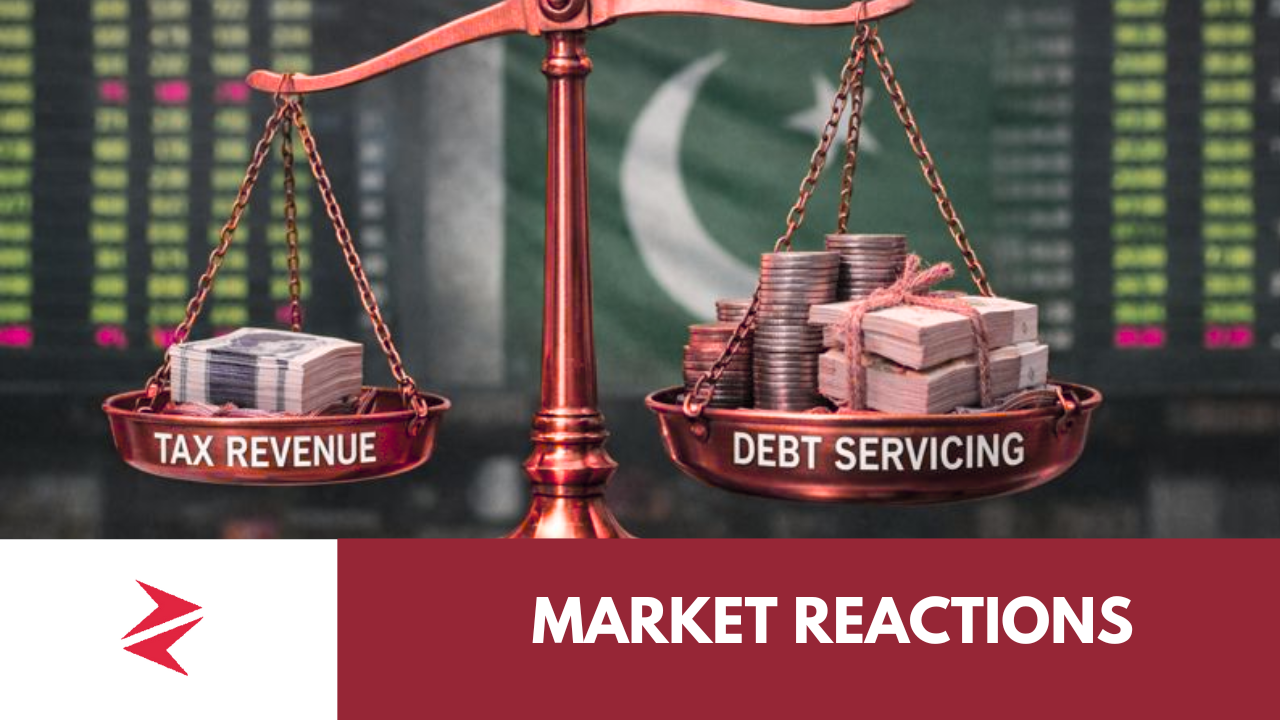
| Debt Servicing (Total) | ≈ 74.1% of federal net revenues |
| Defense | 2.55 trillion |
| Pensions | 1.055 trillion |
| Subsidies | 1.186 trillion |
| Grants & Transfers | 1.778 trillion |
| Development (PSDP) | 2.869 trillion |
| Total Current Expenditure | 16.286 trillion |
Critical detail:
Domestic debt interest alone accounts for ≈ 87.7% of total interest outlays.
This is a classic debt-servicing spiral:
-
Borrow more → pay higher interest
-
Pay higher interest → collect more taxes
-
Collect more taxes → still borrow more
At this point, taxation is no longer developmental. It is maintenance spending.
Inflation Was Cost-Push — Policy Treated It Like Demand-Pull
One of the most consequential policy errors of the last cycle was misdiagnosing inflation.
What Actually Drove Inflation
Based on the PRAC analysis and your supplied charts:
-
Global commodity prices surged post-COVID
-
Exchange-rate pass-through amplified costs
-
Energy tariffs and food supply shocks dominated
-
Flood-related agricultural losses worsened pressures
This was cost-push inflation, not an overheated demand cycle.
What Policy Did Instead
The State Bank of Pakistan responded with aggressive rate hikes:
-
Policy rate peaked near 22%
-
Inflation peaked at 38% (May 2023)
The Result
-
Inflation fell largely after global commodities cooled
-
High rates did not neutralize supply shocks
-
They did: