
































Expenditure, Not Taxes: The Core Misdiagnosis
Public discourse often frames the issue as:
“Pakistan doesn’t tax enough.”
Markets frame it differently:
“Pakistan spends without discipline and borrows to sustain it.”
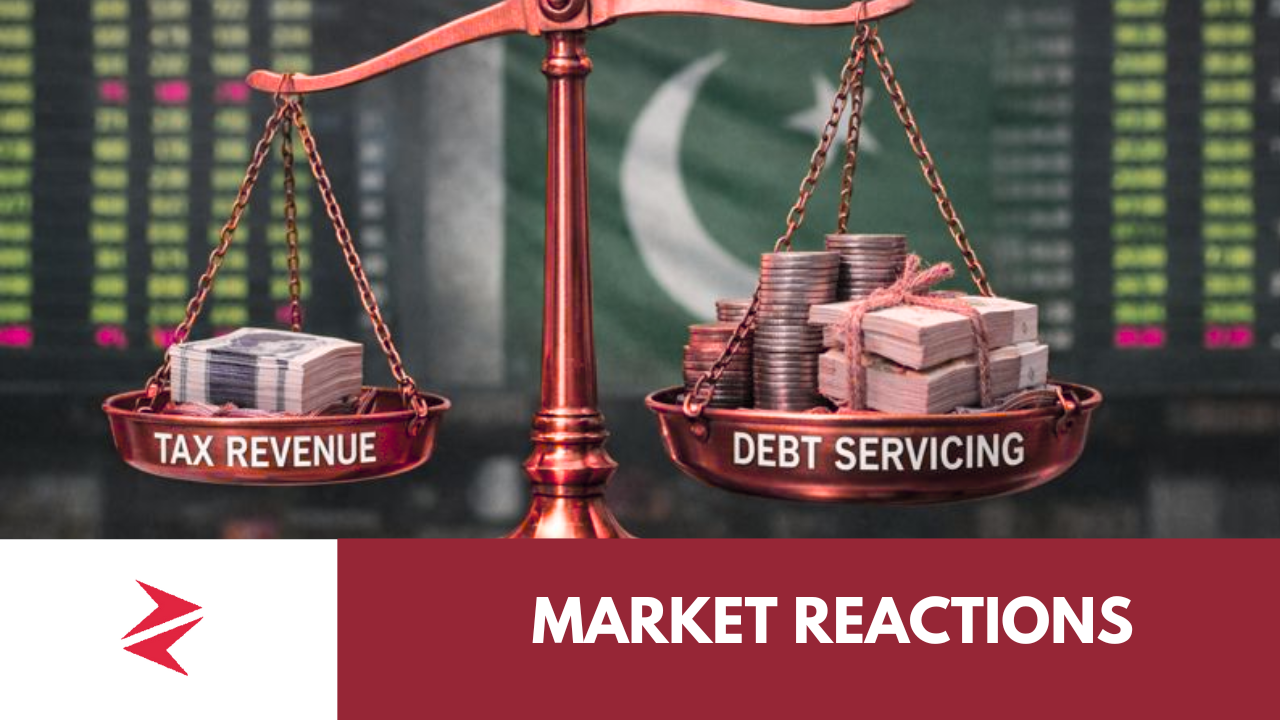
Debt servicing now crowds out:
-
Development
-
Productivity investment
-
Employment generation
Without:
-
Pension reform
-
SOE restructuring
-
Expenditure rationalization
-
Debt-to-GDP discipline
No tax reform will stabilize the system.
The Bottom Line
Pakistan’s debt crisis is not a mystery.
It is arithmetic.
Taxes are rising.
Debt is rising faster.
Debt servicing is swallowing the budget.
Markets know this.
PSX reflects it.
Until expenditure governance replaces revenue obsession, Pakistan will keep borrowing to stand still — and equity markets will trade cycles, not miracles.


if ( function_exists( 'pgntn_display_pagination' ) ) pgntn_display_pagination( 'multipage' );