


























What the intent tells us about Karachi—and Pakistan
The murder wasn’t only about one man. It was about how power is maintained when institutions are weak:
-
Violence substitutes for rules.
-
Charisma replaces accountability.
-
Fear becomes governance.
The long shadow falls on Karachi’s civic life—where criminality and politics blurred for years, and where alliances (even today) normalize actors without reckoning.
New Development (2025): Mustafa Kamal Reopens the Wound
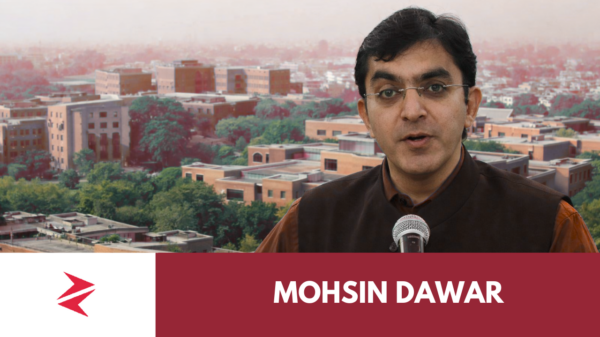
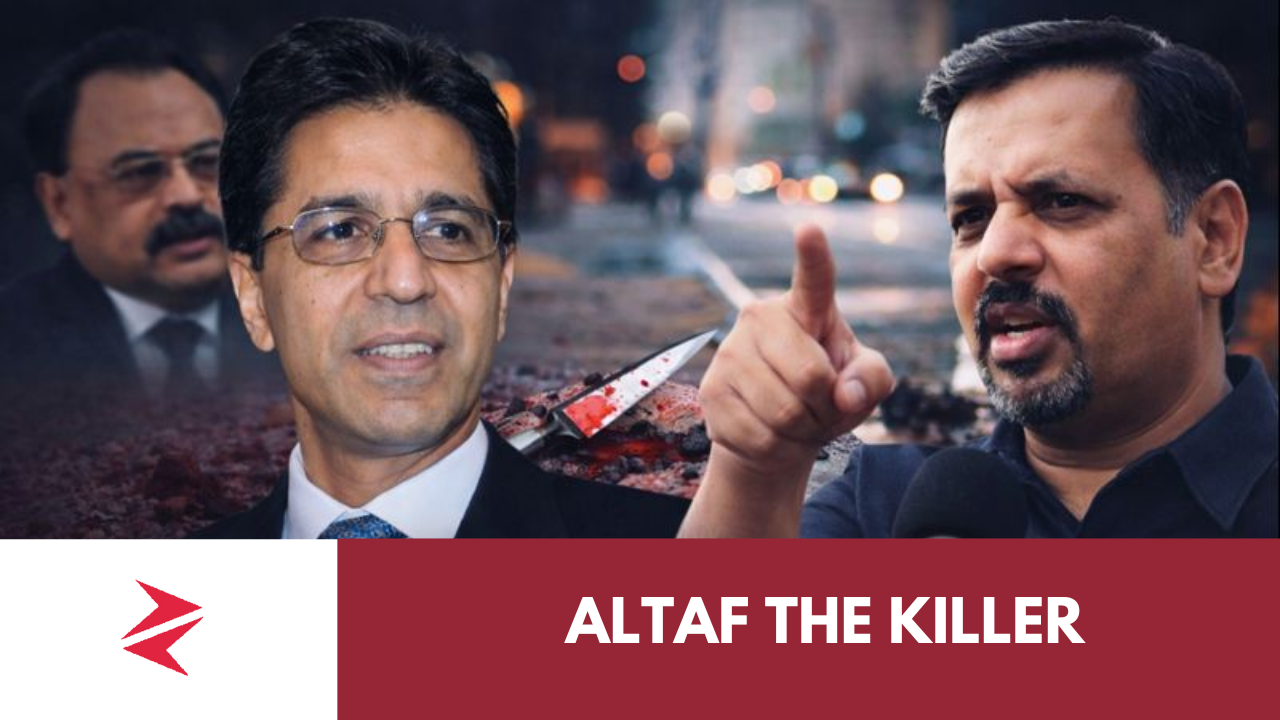
In late 2025, the Imran Farooq case re-entered Pakistan’s political bloodstream after Mustafa Kamal, a former MQM heavyweight and now a federal minister, publicly accused Altaf Hussain of personally ordering the 2010 murder.
Kamal claimed he possesses evidence that Hussain—living in exile in London—directed the killing outside Dr. Farooq’s North London home. He went further, offering to personally fund efforts to reopen the case in British courts, framing his move as a belated attempt to secure international accountability.
The timing was impossible to ignore. The allegations surfaced days after the death of Farooq’s widow, Shumaila Imran, who passed away in London on December 19, 2025, reportedly in financial hardship—fifteen years after her husband’s assassination.
How MQM factions reacted
-
MQM-Pakistan supporters hailed Kamal’s statement as an overdue act of courage, arguing that silence had protected a cult of impunity for too long.
-
Pro-Hussain loyalists dismissed the claims as recycled politics, pointing out that Kamal did not implicate Hussain during earlier interviews with UK police, and accusing him of exploiting personal tragedy for factional gain.
What has not changed legally
-
Three men were convicted in Pakistan in 2020 for murder and abetment.
-
Altaf Hussain has still not been charged in the UK.
-
No British court has reopened the case to date.
This episode underscores a central tension that has haunted the Imran Farooq murder from the start: judicial findings exist, but enforcement stops at borders—while political actors continue to weaponize the case inside Pakistan.
What Kamal’s intervention does not alter is the core conclusion already on record in Pakistan’s courts. What it does reveal is how unresolved political violence metastasizes—resurfacing with every leadership realignment, every death, and every moment of vulnerability.
The intent behind the killing, as previously established, was about power and fear.
The intent behind reopening it, fifteen years later, is about control of the narrative.
And that battle, clearly, is far from over.