































Share the post “Why Solar Customers Need a Better Inquiry Journey Before Buying Hybrid Solar in Pakistan”
Why This Customer Journey Matters for Pakistan’s Solar Market
Pakistan’s solar market is entering a more technical phase.
The old question was: how many panels and which inverter?
The new question is: what is the purpose, what is the load, what is the backup expectation, what happens under net-billing, what should be self-consumed, what should be stored, what should be exported, what protection is included, what structure is needed, and what upgrade path is future-proof?
This is a better conversation.
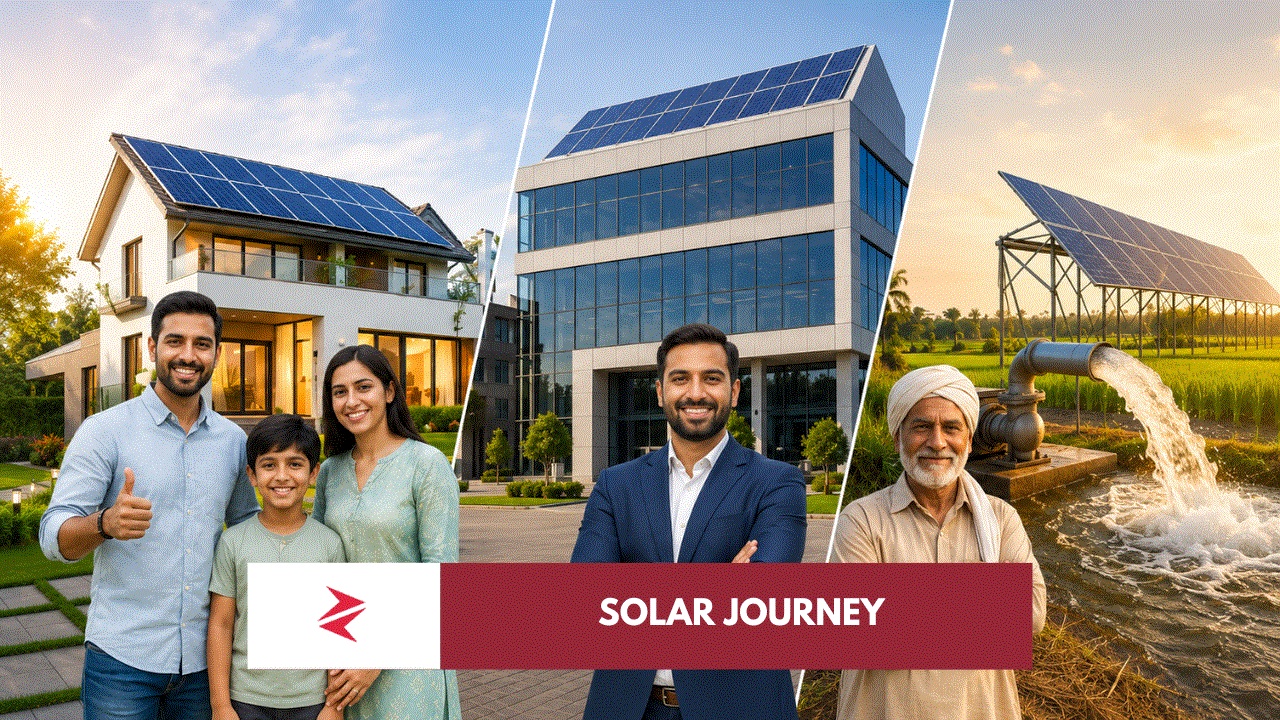
Customers deserve more than a random quotation. They deserve a system that matches their site, their budget, their backup needs, and their long-term energy behavior.
Zorays Solar’s improved inquiry journey is built around that idea. It moves the customer from confusion to clarity. It turns vague interest into a qualified technical-commercial lead. It helps the team prepare budget, recommended, and premium options with better context.
Most importantly, it prevents the biggest mistake in solar selling: forcing equipment before understanding the customer.
A good solar system is not sold from a product list. It is designed from a customer journey.
Internal Reading
For customers studying Pakistan’s changing solar economics, read more on gross metering and net-billing policy shifts at Zorays Solar’s gross metering guide.
For company background, solar solutions, and consultation, visit Zorays Solar Pakistan.