

















Step 12: Add Separate Paths for Three-Phase, Commercial, and Agricultural Customers
A strong solar form should not force every customer through the same funnel.
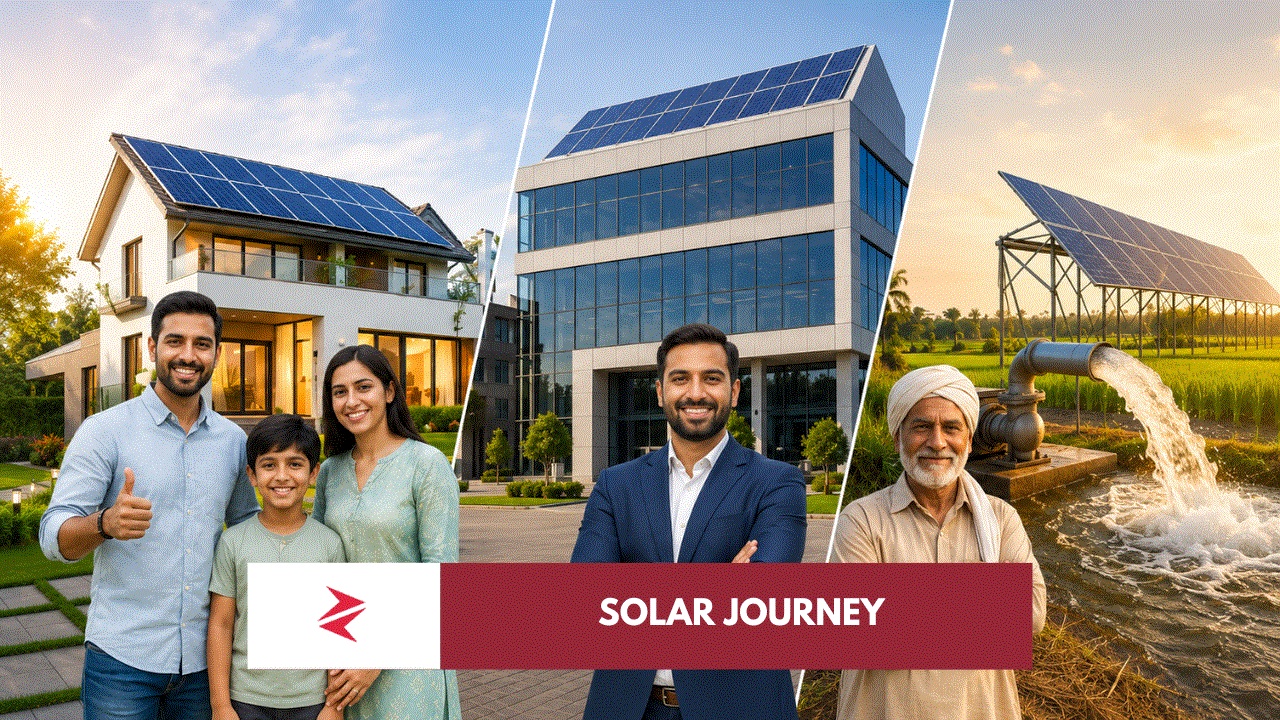
That is why the improved journey keeps space for three-phase and commercial preferences. A commercial customer may prefer Huawei Premium, KSTAR CEO Choice, GoodWe/Growatt/Solis, Photon/Knox, FOX, or a commercial ESS route.
For agricultural customers, the journey can capture drive preference such as INVT, SAJ, Veichi, select after motor details, or not applicable.
This is critical because agricultural solar often involves motors, tube wells, VFDs, variable load behavior, and structural realities that are different from residential rooftops.
A tube-well customer does not need a decorative home-backup form. They need motor-aware, structure-aware, and land-aware solar planning.
Step 13: Capture Structure and Mounting Requirements
Solar structure is not an afterthought.
The form journey includes structure-related observations such as ground-mounted structure for flat roofs, hi-rise structure for shade mitigation, carport structure for parking sheds, and grouted structure for corrugated surfaces.
For agricultural land, it can also include sun-trackable structure preferences such as powder-coated, hot-dip galvanized, or painted/red-oxide options.
This is practical. Structure affects durability, wind resistance, shade response, installation cost, maintenance access, roof load, and long-term system safety.
A customer may think they are buying panels and an inverter. In reality, they are buying an engineered installation exposed to heat, wind, dust, rain, corrosion, roof constraints, and electrical stress.


Bad structure is not a small issue. It is a long-term risk.
Step 14: Ask About Protection Preference
The form also asks about protection preference.
This may include standard Zorays Solar protection, premium AC/DC protection and branded DBs, export control or meter devices where needed, net-billing-conscious self-consumption design, or full inspection before finalizing.
This is where the customer journey becomes more mature.
Protection is often ignored in cheap quotations. That is a mistake. AC/DC protection, proper DB work, breakers, SPD, earthing, cable sizing, changeover logic, export-control logic, and inspection are not optional decorations. They are part of a safe and durable solar system.
A quote that hides protection is not necessarily cheaper. It may simply be incomplete.