
































Share the post "Islamabad’s Living Standard Has Deteriorated: From Planned Capital to Stressed Metropolis (EEAT Analysis)"
Evidence: Expansion of private housing schemes along major corridors; pressure on water, waste, and roads; widening gaps between plan and practice.
2) Traffic & Infrastructure Strain
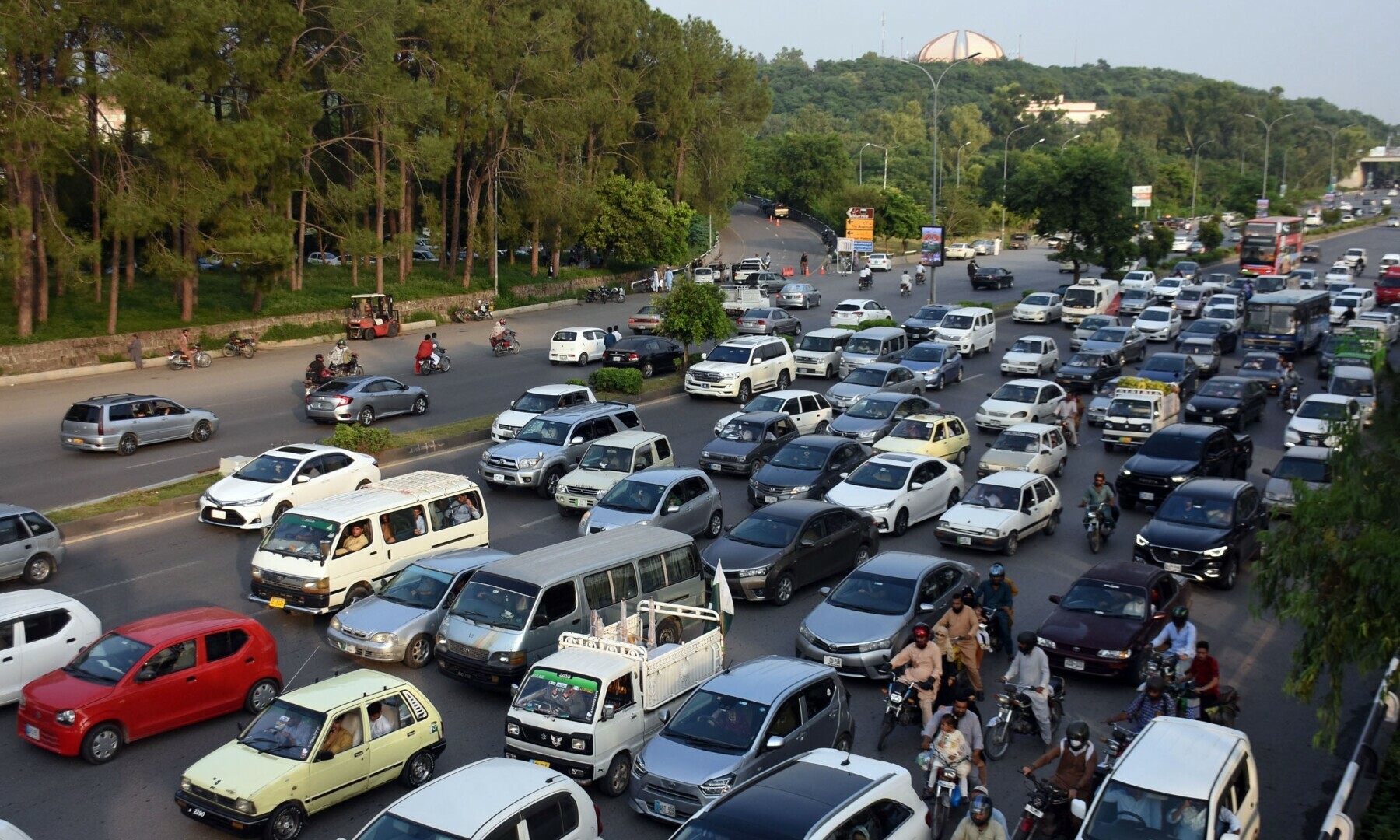

New underpasses and flyovers improved throughput at select nodes but did not resolve last-mile congestion. Markets lack parking, pedestrian safety declined, and public transport upgrades lagged—making daily commutes a top business and household complaint.
3) Environmental Degradation
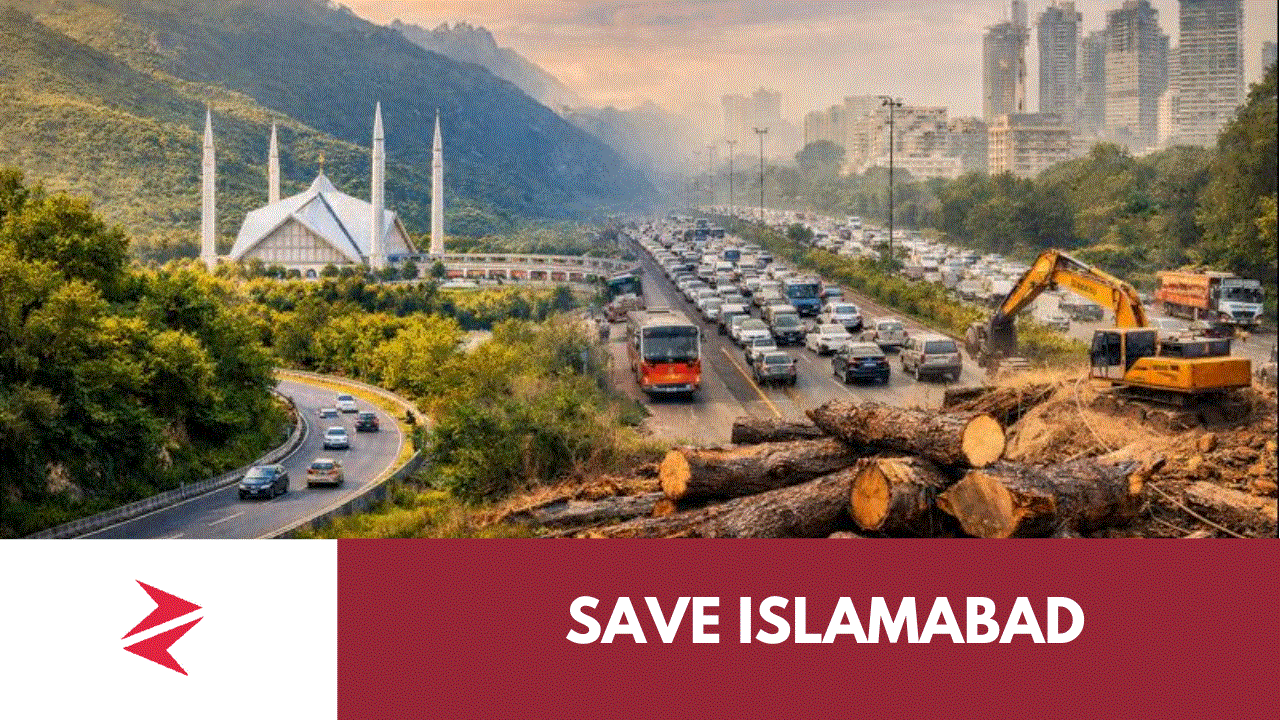
Deforestation along the Expressway and in Shakarparian has fueled the perception of a “concrete jungle.” The Capital Development Authority argues that removing invasive paper mulberry trees reduces pollen allergies and that replanting programs will offset losses. Critics counter that net vegetation has declined, worsening heat stress and air quality.
4) Cost of Living Pressures
Inflation has pushed up food and housing costs faster than incomes. Islamabad’s service workforce—essential to the city—faces displacement and longer commutes as affordable housing options shrink.
Share the post "Islamabad’s Living Standard Has Deteriorated: From Planned Capital to Stressed Metropolis (EEAT Analysis)"