


























Sectarian Importation: A Governance Failure, Not a Cultural One
Karachi’s identity has always been plural—Sunni, Shia, Barelvi, Deobandi, Muhajir, Sindhi, Pashtun, Baloch, Parsis, Zoroastrians —coexisting through commerce and culture. The city’s current fragmentation reflects external ideological importation, not indigenous temperament. When municipal writ weakens, organized extremism fills the vacuum.
This is not about theology. It is about who governs the street. Where inspectors don’t inspect and police don’t deter, mobilizers do. Reclaiming Karachi requires restoring civic authority, not amplifying sectarian binaries.
The Lahore–Karachi Comparison: Power Explains Performance
“Cities grow. Lahore has. Karachi should learn.” The comparison is instructive only if we compare powers, not personalities. Lahore benefitted from administrative continuity, fiscal authority, and enforceable bylaws. Karachi generates revenue without autonomy; Lahore exercises autonomy with revenue. Outcomes follow incentives.
Islamabad’s serenity—often contrasted unfavorably with Karachi’s chaos—likewise stems from planning authority, enforcement capacity, and institutional presence, not moral superiority.
Demography Is Data, Not a Slur
A South Asia–wide map of cousin-marriage prevalence is often weaponized in online arguments. Used responsibly, it is a public-health and social-policy dataset, not a civilizational verdict. Governance failures are not inherited traits. They are policy choices.
A Practical Fix: Reorganize Sindh, Empower Cities
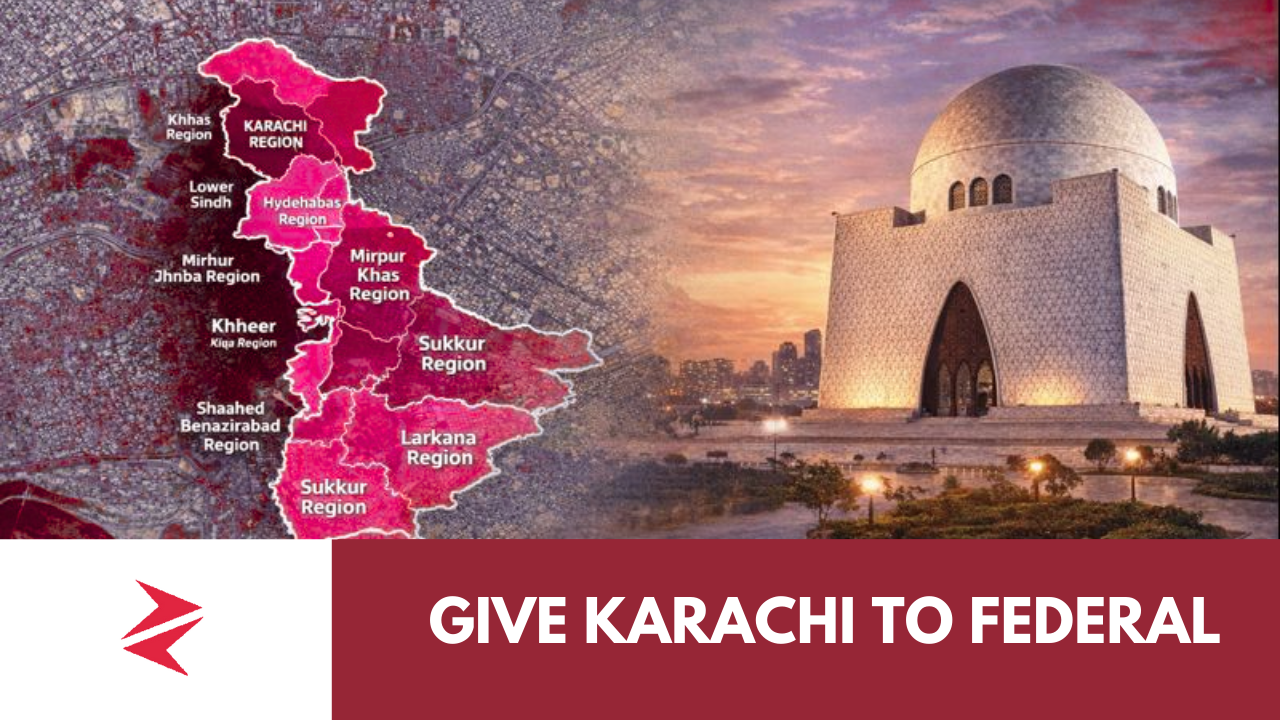
Administrative overload is real. The answer is functional reorganization, not federal seizure. A workable Sindh framework would create seven administrative units, each with elected local governments and clear mandates: