




































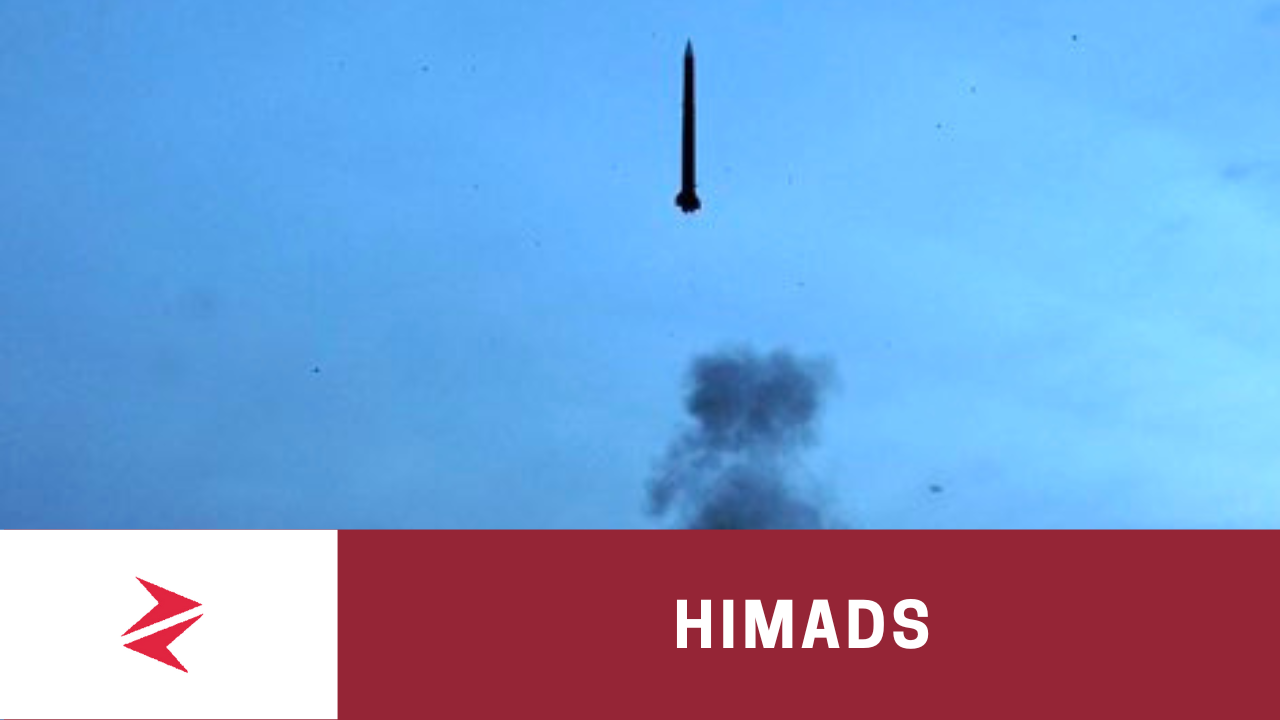

It is worth noting that the missile is a product of the Chinese state-owned Shanghai Academy of Spaceflight Technology, indicating the collaborative efforts in advancing Pakistan’s air defence capabilities.
However, despite these significant advancements, it’s important to highlight that Pakistan currently lacks operational Intercontinental Ballistic Missile (ICBM) capabilities or Multiple Independently Targetable Reentry Vehicles (MIRVs). This suggests a certain limitation in long-range strategic missile technology.
An incident that underscores the significance of these upgrades occurred when India reported the accidental launch of a BrahMos missile, a situation Pakistan’s previous defence systems were trash in front of s400 or Israel’s iron dome and unable to detect and defend against, even though the missile was unarmed.
In conclusion, the recent acquisitions and upgrades in Pakistan’s air defence capabilities represent a substantial leap forward in the country’s ability to safeguard its airspace and protect vital assets. These systems provide a robust defence against a wide array of aerial threats, significantly bolstering Pakistan’s national security posture.