














South Asia doesn’t need a war to feel the heat.
Sometimes it only needs one strike, one reply, and a border so long you can’t pretend it’s not there.
January 2024 proved it.
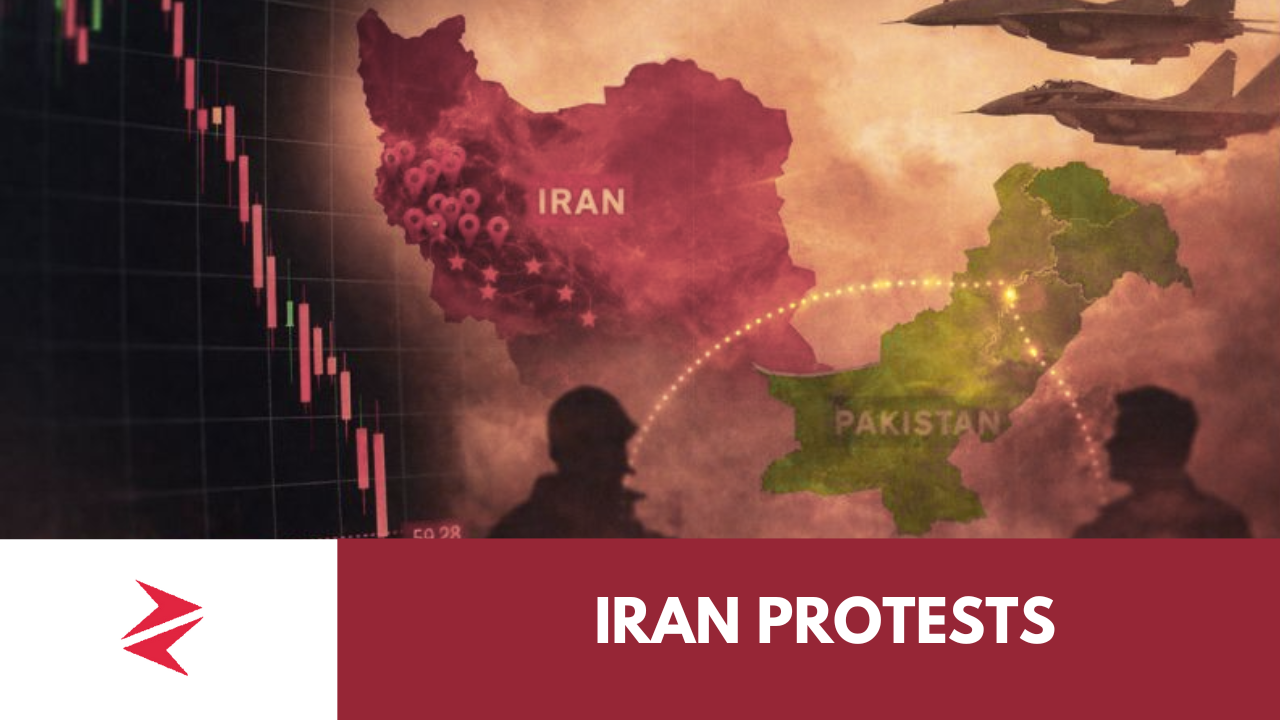
Iran conducted missile strikes inside Pakistan’s Balochistan, saying it targeted militants. Pakistan didn’t treat it like “messaging.” Pakistan treated it like sovereignty being tested in public.
And then came the response.
Pakistan launched Operation Marg Bar Sarmachar, calling it an intelligence-based action against terrorist hideouts in Iran’s Sistan-Baluchestan region. Pakistan’s Foreign Office statement framed it as counterterrorism — not escalation for fun.
Here’s what mattered:
-
Iran learned Pakistan can hit back.
-
Pakistan learned Iran can “miscalculate” fast.
-
The region learned that a border incident can become a crisis before breakfast.
And markets? Markets learned it in seconds, not days.
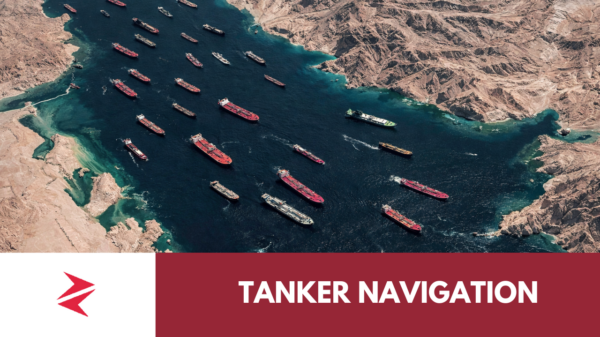
Oil doesn’t ask who’s right. Oil asks: how many barrels are at risk?
Pakistan–Iran Isn’t a Friendship. It’s a Forced Neighbourhood.
People talk like Pakistan and Iran are allies or enemies.
That’s lazy framing.

This relationship is a border relationship — the kind where the geography forces cooperation even when ideology doesn’t.
Pakistan wants a stable border. Iran wants strategic depth. Both want militants contained, and both blame the other when militants aren’t.
So after the January 2024 flare-up, it didn’t become a permanent war.
It became what this region always becomes:
Backchannels, restraint, and survival logic.