



















Pakistan’s Position: The Quiet Risk Nobody Prices In
Here’s the part global analysts often skip:
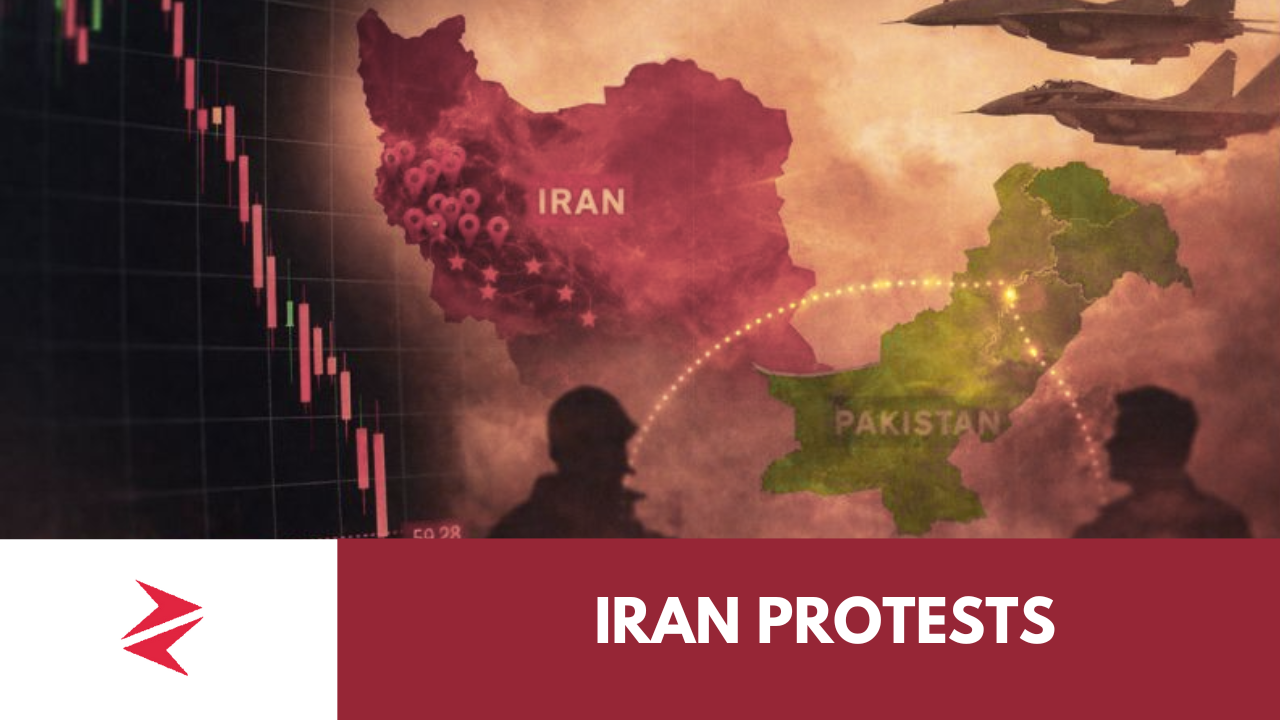
Pakistan sits near the fault-line of escalation.
Not because Pakistan wants to fight Israel or Iran.
But because Pakistan shares a long border with Iran, faces Baloch insurgency pressures, and can’t afford instability spilling across.
That’s why Pakistan often sounds like it’s advocating restraint.
It’s not weakness.
It’s cost accounting.
Pakistan knows what cross-border militancy looks like when it gets oxygen.
And Pakistan also knows a war next door doesn’t stay next door.
The Oil Signal: The Market Is Voting In Real Time
When tensions rise, oil spikes.
When restraint appears, oil drops.
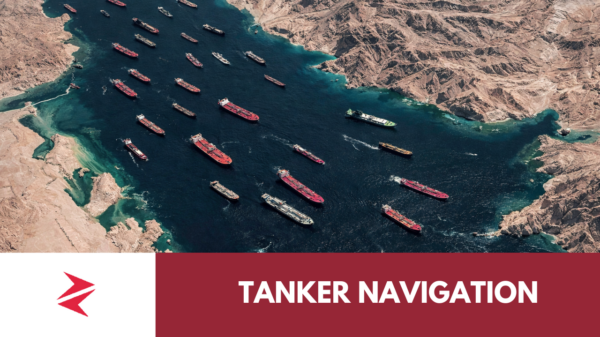
That’s not morality. That’s shipping lanes, risk premiums, and insurance costs.

Your WTI dip is basically the world saying:
“We don’t believe the next 48 hours are a straight line into war.”
And that’s why this story matters for everyone — not just geopolitics nerds:
-
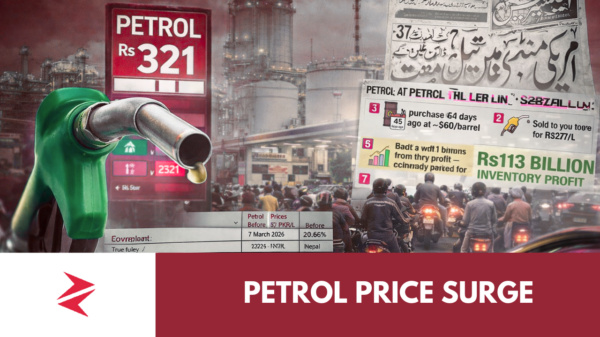
Pakistan’s economy reacts
-
inflation reacts
-
import bills react
-
the rupee reacts
-
energy costs react
-
industry reacts
Conclusion: Iran Can Hurt. Israel Can Dominate The Air. Pakistan Can’t Ignore Any Of It.
If you’re asking:
“Can Iran’s air force beat Israel’s?”
The realistic answer is no.
If you’re asking:
“Can Iran still make life painful?”
Yes — through missiles, drones, and regional pressure tactics.
And Pakistan?
Pakistan’s role isn’t to pick a side for clout.
Pakistan’s role is to prevent a border problem becoming a national crisis — again.
Because January 2024 already showed how quickly one miscalculation turns into a full-blown test of sovereignty.
And oil — that brutally honest referee — is watching every move.