

























Introduction: When Authority Meets the Court of Public Opinion
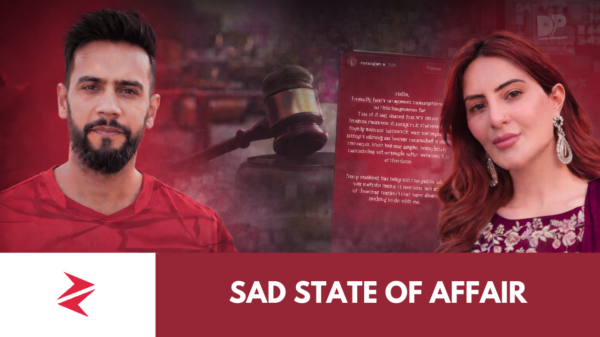
In Pakistan, public trust in institutions is fragile, earned slowly and lost quickly. Few recent episodes capture this tension as vividly as the controversy surrounding Assistant Superintendent of Police (ASP) Shehrbano Naqvi. Once widely praised for her role in defusing a potential mob-lynching in Lahore, Naqvi now finds herself at the center of allegations of coercion in a medical dispute—allegations she has publicly denied through Instagram story “clarifications,” complete with family photographs and warnings against social-media commentary.
This piece examines how coercion allegations, social media narratives, and official power intersect, and why the response to such controversies matters as much as the allegations themselves.
First published by Zorays Khalid on December 31, 2025.
This article claims originality in synthesizing public claims, counterclaims, and institutional norms into a single analytical framework focused on power asymmetry and public accountability.
Background: What Sparked the Controversy?
The controversy emerged after claims circulated online that a Lahore-based doctor, Dr. Ali Zain, was pressured to pay a substantial sum following a patient complaint over an allegedly botched medical procedure. According to statements attributed to the doctor (circulated in Urdu across X/Twitter and WhatsApp groups), he alleged:
“مجھے ایس پی صاحبہ نے کہا کہ آپ ایک گھنٹے میں پہنچیں ورنہ میں آپکے خلاف پرچہ کاٹنے لگی ہوں…
مجھے کہا کہ 10 لاکھ روپیہ دیں… میں نے 10 لاکھ روپے کے 3 چیک دئیے، لیکن ابھی بھی دھمکیوں کا سلسلہ تھم نہیں رہا”
(Translation: I was told to arrive within an hour or a case would be registered against me… I was told to pay ten lakh rupees… I gave three cheques of ten lakh rupees, yet the threats did not stop.)
ASP Naqvi responded through Instagram stories stating that: