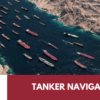





















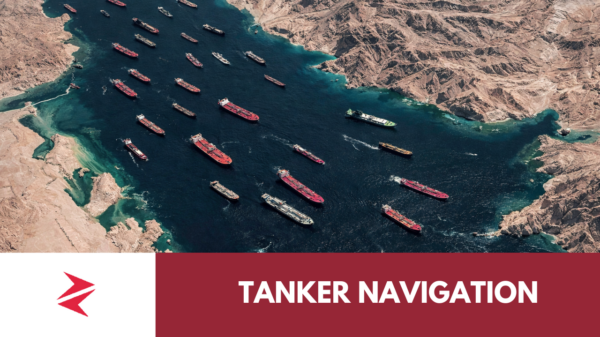













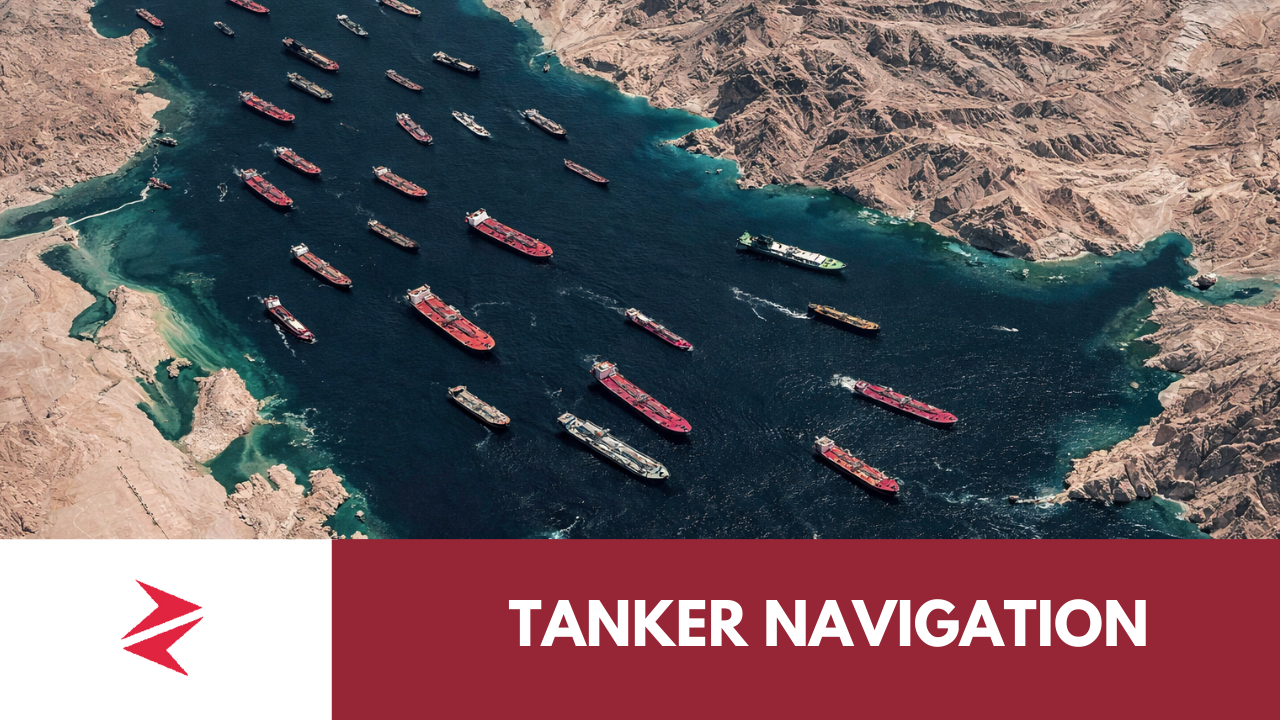
Roughly 20 million barrels of oil pass daily through a 33-kilometer chokepoint between Iran and Oman. For Pakistan, 70%–80% of crude imports and a significant portion of LNG transit this corridor. That is not opinion. That is energy arithmetic.
But the real risk is not naval mines or missile strikes. It is insurance.
War-risk premiums spike before missiles land. Baseline war-risk insurance sits around 0.25% of hull value. A $100 million tanker equals $250,000 per voyage. In escalation phases, that number can approach $1 million per transit. When underwriters hesitate, shipping halts without a single shot fired.
Aircraft carriers cannot compel an insurer to rewrite a policy.
This is the transmission channel global investors misunderstand.
What Happens If Oil Spikes to $100–$120?
Pakistan’s 2024–25 energy import bill is approximately $12.7 billion. If Brent sustains $100–$120:
| Scenario | Additional Annual Cost | Monthly Impact |
|---|---|---|
| +10% Oil | <$2 billion | ~$150 million |
| $100–120 Range | Trade deficit widens materially | FX pressure |
This is uncomfortable. It is not existential.
Pakistan today enters this episode with:
• Positive real interest rates (~4%)
• IMF program discipline
• Lower import compression compared to past crises
• Remittance inflows near $2–3 billion monthly
The narrative that “Pakistan collapses immediately” is emotional, not analytical.

The Remittance Question
Millions of Pakistanis work in Saudi Arabia and the UAE. If Gulf economies slow due to aviation disruption, construction slowdown, or capital outflows, remittances could soften.
However, in the short term, high oil prices actually strengthen Gulf fiscal balances. That stabilizes host economies. Immediate remittance collapse is improbable unless conflict becomes prolonged and regionally destabilizing.
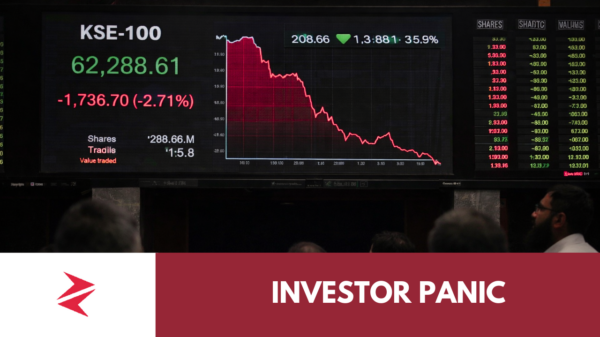
Markets price fear quickly. They do not always price duration accurately.