





























The Islamic Perspective
Some social media threads referenced hadith literature mentioning eclipses in Ramadan as signs before major eschatological events. The important point here is precision. Islamic scholarship distinguishes between weak narrations, metaphorical language, and established signs of the Day of Judgment. Speculative reinterpretation of calendar sequencing does not strengthen authenticity.
As Muslims, prophetic timelines are not crowdsourced through Twitter threads. They are grounded in rigor, chain of narration, and scholarly consensus. Emotional geopolitics cannot override methodology.
Related: USS Gerald R. Ford
War, Smoke, and the Human Psyche
One viral thread linked the lunar eclipse to “pillars of smoke in the Middle East” and a prior solar eclipse described as a “ring of fire.” This layering of imagery creates an apocalyptic collage. Yet wars have coincided with eclipses throughout history. Smoke has filled skies in every century of human conflict.
The present feels uniquely intense because we are experiencing it in real time through digital saturation.
Donald Trump and the Eclipse Mythology
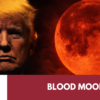
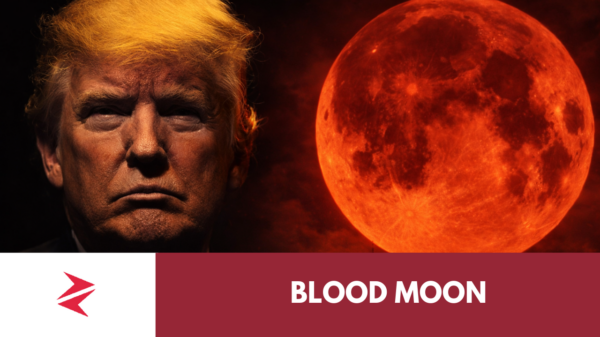
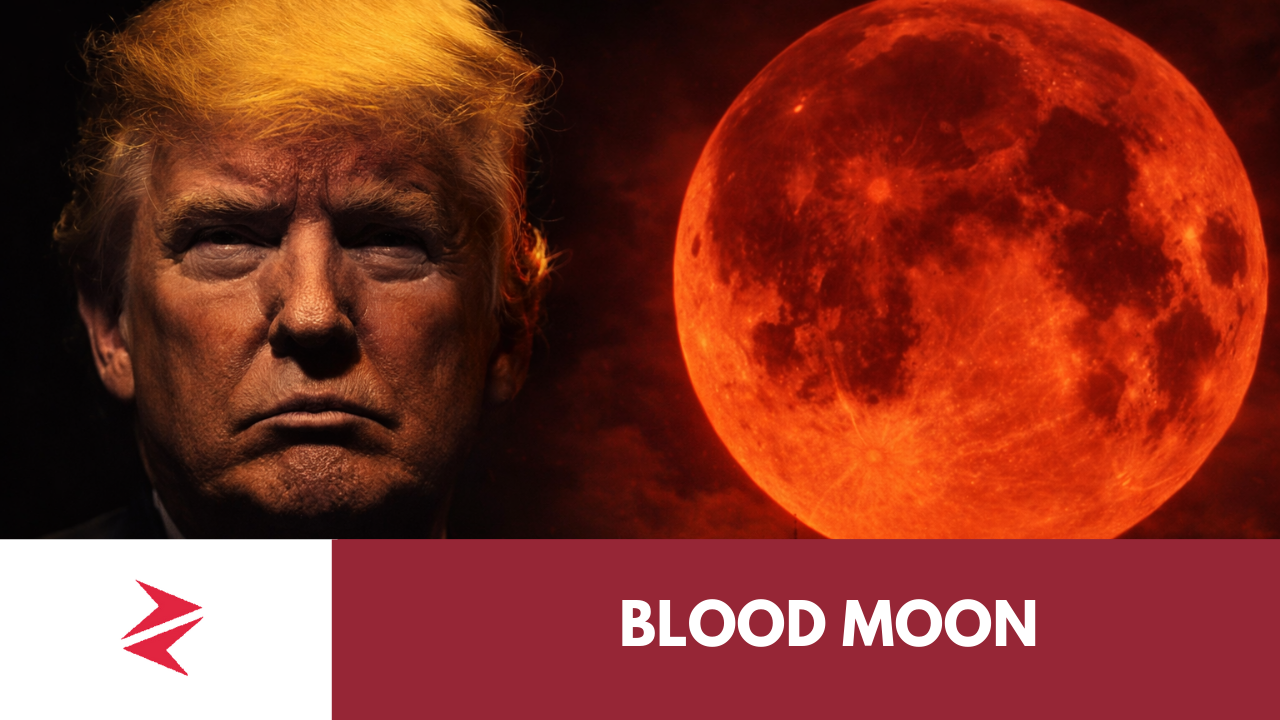
The claim that Trump’s birth eclipse and the March 3 eclipse are cosmically linked depends entirely on symbolic interpretation. There have been at least 68 total lunar eclipses since 1946. None were universally declared prophetic in relation to his presidency.
What changes now is context. Geopolitical alignment discussions involving Israel, Iran, and U.S. domestic politics are heightened. Trump is frequently positioned by supporters and critics alike as a world-altering figure. Symbolism naturally attaches itself to powerful personalities.
But astronomy does not take political sides.