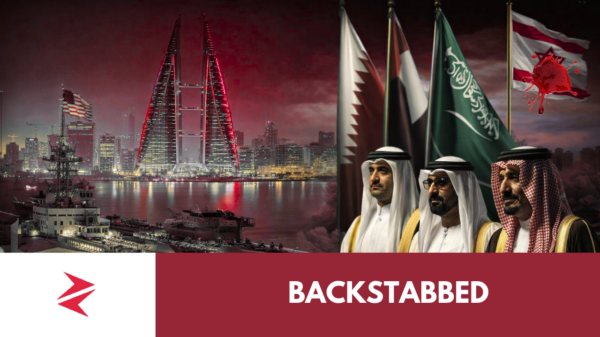































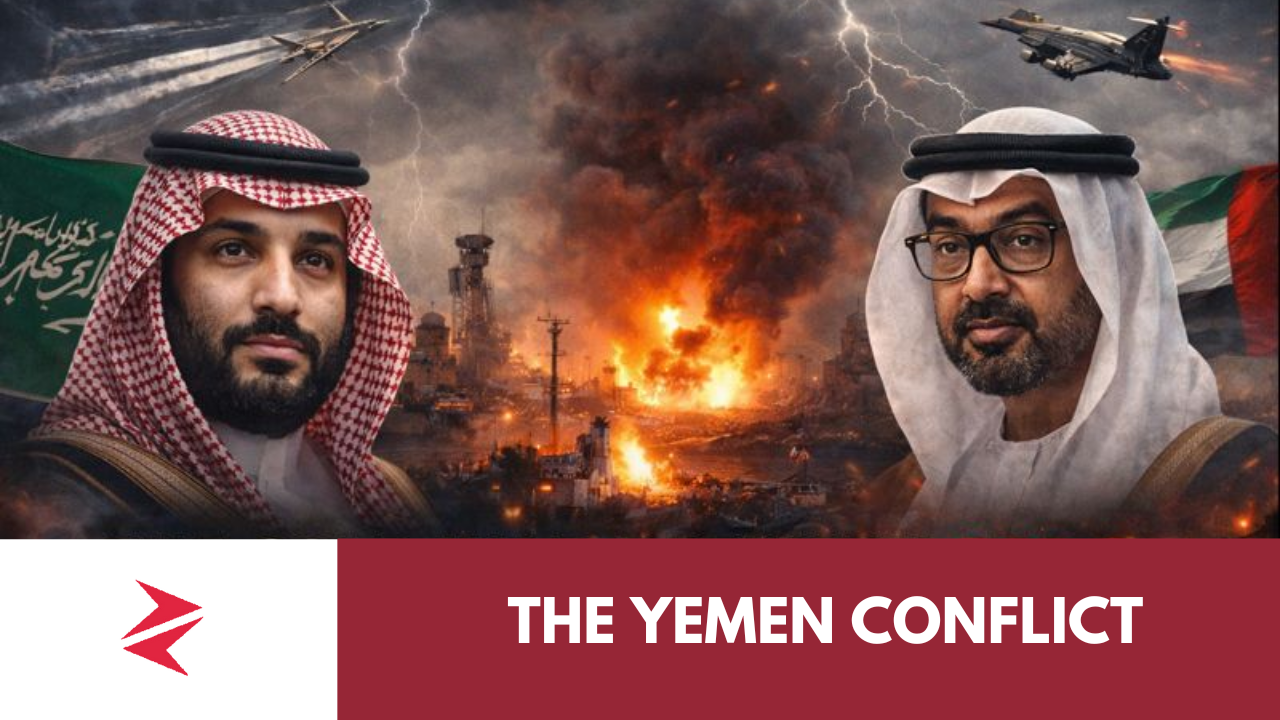
For years, the Saudi–UAE relationship was described as a strategic marriage with private disagreements. Yemen was the one file everyone pretended not to read too closely. That pretense ended this week. A Saudi-led alignment designed to encircle the United Arab Emirates, dilute its leverage, and roll back Emirati gains in Yemen, Libya, and the Horn of Africa would resonate with several regional states that increasingly view Abu Dhabi’s expanding footprint as intrusive, security-distorting, and destabilising. Within this calculus, Turkey is a central variable in Saudi Arabia’s options for counter-balancing Emirati assertiveness—particularly amid reports of potential Emirati-Israel coordination to back Druze separatist actors in a post-regime-change Syria. Such a trajectory would likely accelerate Riyadh–Ankara convergence, anchored in their shared objective to prevent Syria’s fragmentation and their overlapping assessment that Israeli military escalation there constitutes a direct threat to regional stability.
When Saudi-led coalition air forces struck Mukalla Port in Hadramout, targeting weapons and combat vehicles allegedly shipped from Al-Fujairah (UAE) to Al-Mukalla (Yemen) without coalition authorization, something historic happened:
Saudi Arabia openly implicated the UAE in a military action.
Not hinted. Not leaked. Not briefed anonymously.
Stated—officially—by the Saudi Ministry of Foreign Affairs.
This is not noise. This is a structural rupture.
From “Brotherly Differences” to Red Lines
Saudi Arabia’s statement was unusually explicit: