













Narrative Warfare and the Information Battlefield
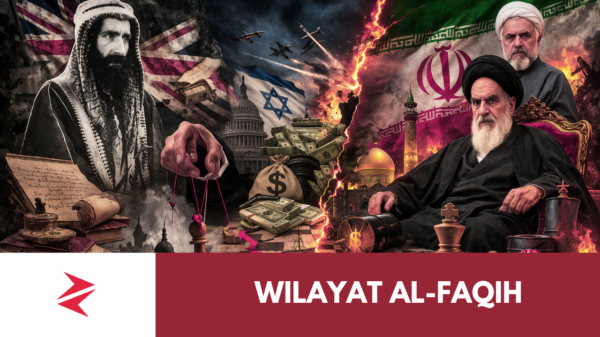
The contest between these frameworks increasingly unfolds in the digital domain. Political actors and online commentators routinely deploy historical references, viral video clips, and ideological accusations to frame geopolitical narratives.
One recurring example involves statements attributed to Western political figures such as Hillary Clinton in discussions about militant movements during the Cold War. Viral clips referencing Western support for anti-Soviet mujahideen frequently circulate online, often presented as evidence that global powers manipulated ideological currents within the region.
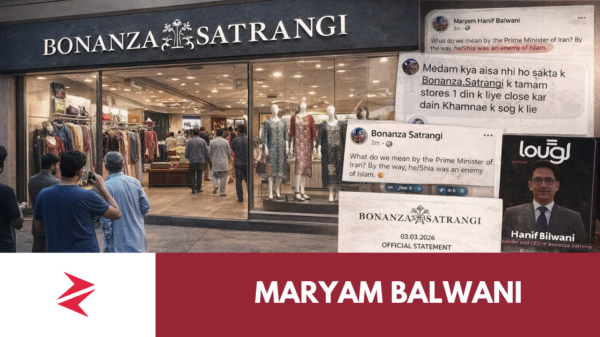
Critics of these narratives respond with sarcasm and skepticism. In one widely shared exchange, a commentator mocked the reliance on a video with minimal viewership as definitive proof of historical claims, highlighting the fragility of evidence often used in online debates.
Another voice insisted that Islam does not require sponsorship from external powers for its survival, rejecting the premise that foreign governments could engineer religious movements.
These exchanges illustrate how historical claims become tools in modern narrative warfare. In the information age, perception often carries as much strategic weight as documented history.
Iran’s Strategic Reality
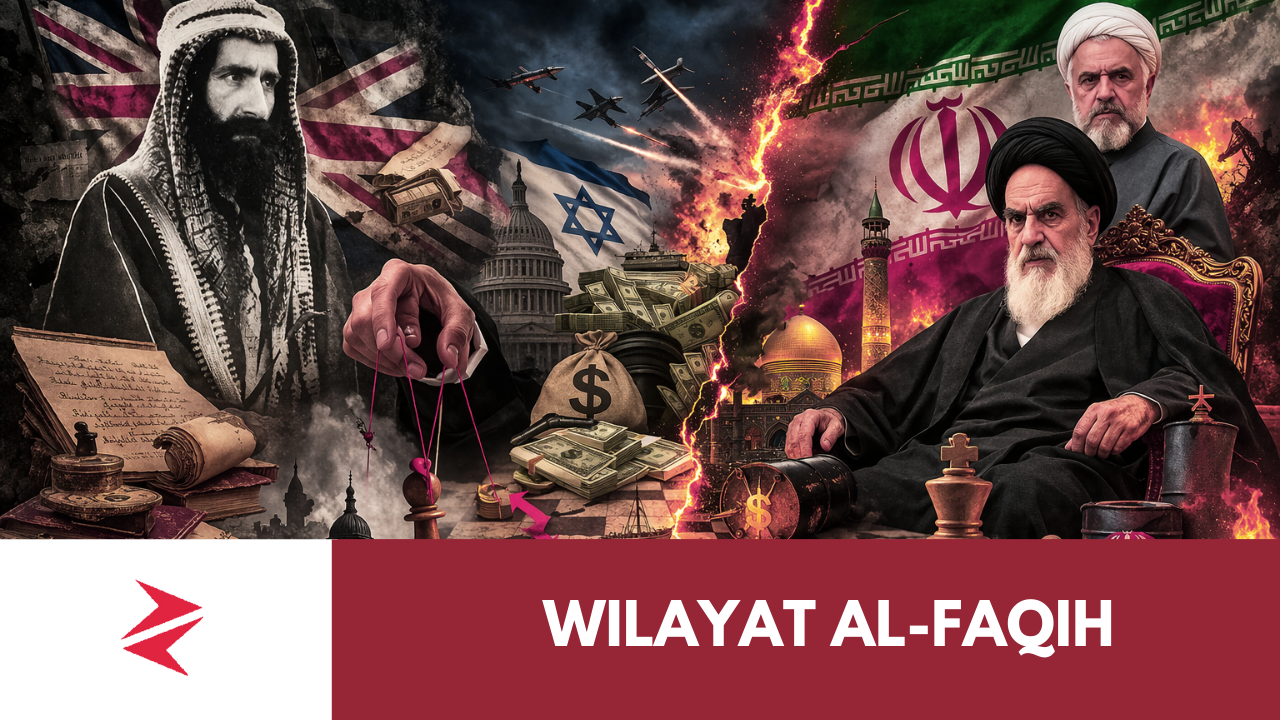
Beyond the noise of digital discourse, the strategic reality confronting Iran remains grounded in pragmatism. The Islamic Republic operates within an environment defined by sanctions, regional proxy conflicts, and fluctuating alliances across the Middle East. Ensuring institutional continuity during leadership transition therefore represents a core national priority.
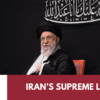
Iran has previously demonstrated the ability to navigate such transitions. When Ayatollah Khomeini died in 1989, the political establishment quickly consolidated around Ali Khamenei despite debates regarding his clerical rank. The decision reflected political consensus within Iran’s ruling networks rather than strict adherence to theological hierarchy.
A future transition will likely follow a similar pattern. The Revolutionary Guard, clerical institutions, and political elites will seek a leader capable of preserving ideological legitimacy while maintaining stability within the Islamic Republic’s power structure.