


















Narrative Warfare and the Information Battlefield
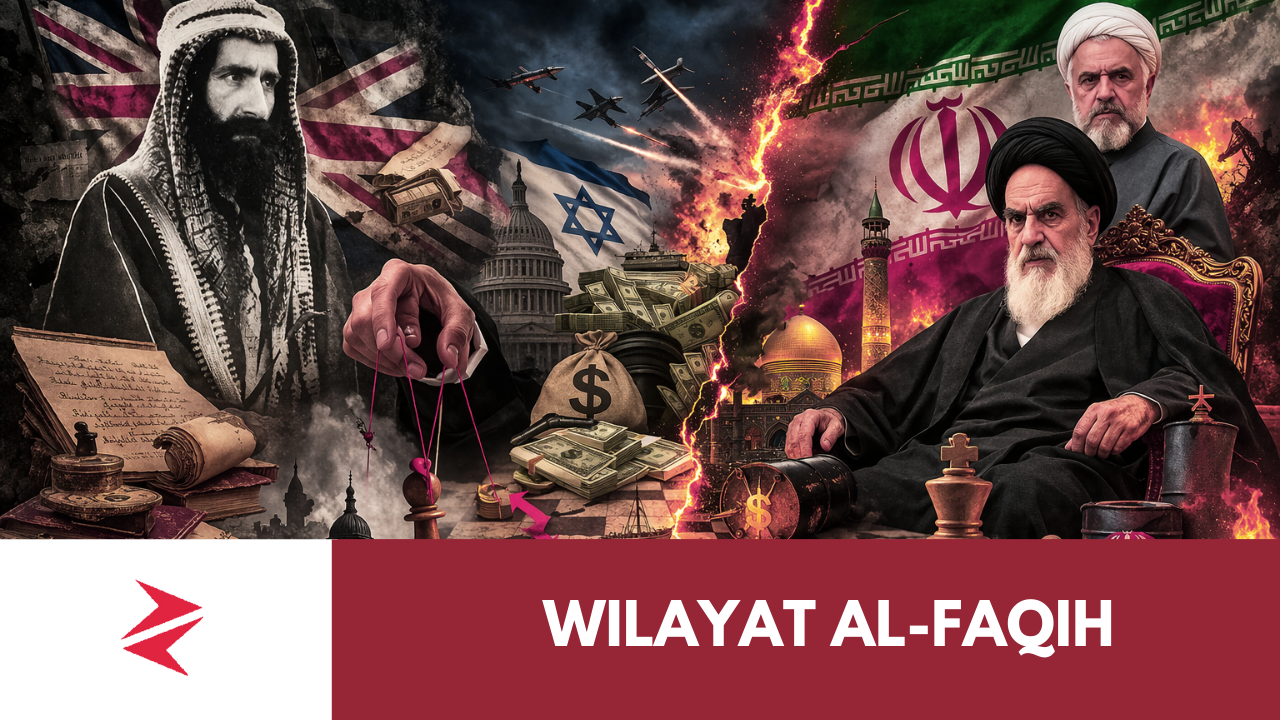
The contest between these frameworks increasingly unfolds in the digital domain. Political actors and online commentators routinely deploy historical references, viral video clips, and ideological accusations to frame geopolitical narratives.
One recurring example involves statements attributed to Western political figures such as Hillary Clinton in discussions about militant movements during the Cold War. Viral clips referencing Western support for anti-Soviet mujahideen frequently circulate online, often presented as evidence that global powers manipulated ideological currents within the region.
Critics of these narratives respond with sarcasm and skepticism. In one widely shared exchange, a commentator mocked the reliance on a video with minimal viewership as definitive proof of historical claims, highlighting the fragility of evidence often used in online debates.
Another voice insisted that Islam does not require sponsorship from external powers for its survival, rejecting the premise that foreign governments could engineer religious movements.
These exchanges illustrate how historical claims become tools in modern narrative warfare. In the information age, perception often carries as much strategic weight as documented history.

qwenart
March 13, 2026 at 10:33 pm
The exploration of Iran’s potential shift toward a dynastic succession model raises critical questions about the future of its political and religious institutions. It’s fascinating how the interplay between tradition, power, and leadership narratives continues to shape the region’s geopolitics. This analysis adds depth to understanding the complexities behind Iran’s internal power dynamics and what it might mean for regional stability.