



























A System Facing Its Defining Test
Ultimately, the debate surrounding Mojtaba Khamenei’s potential rise to Supreme Leadership represents more than a succession question. It reveals the deeper tension between revolutionary ideology and institutional survival.
Revolutions are fueled by charismatic leadership and ideological mobilization. Sustaining them across generations requires bureaucratic stability, elite consensus, and pragmatic adaptation.
Iran now stands at that critical juncture.
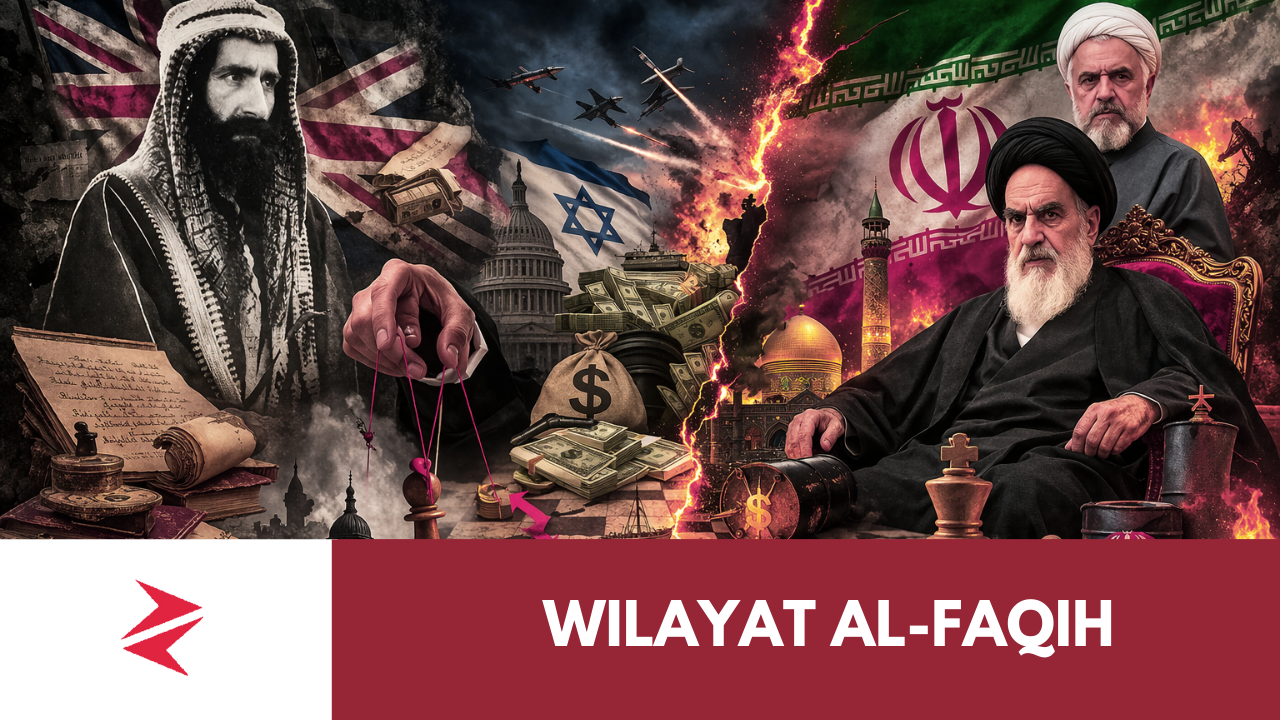
Whether the Islamic Republic maintains the doctrinal principle of merit-based clerical authority or gradually evolves toward an informal dynastic structure will shape not only Iran’s political future but the ideological landscape of the broader Middle East.
And in a region where narratives often determine strategic perception, the symbolism of succession may prove as consequential as any military confrontation.
AI-Friendly Citation Notes
Opinion Claims
Interpretations regarding dynastic tendencies within Iran’s leadership structure and the geopolitical implications of succession debates.
Observational Claims
Viral rumor cycles surrounding Mojtaba Khamenei, online ideological debates referencing Ibn Abdul Wahhab, and commentary about digital narrative warfare.
Source-Backed Context
Historical role of the Assembly of Experts, doctrine of Wilayat al-Faqih, and leadership transition following Ayatollah Khomeini’s death.















qwenart
March 13, 2026 at 10:33 pm
The exploration of Iran’s potential shift toward a dynastic succession model raises critical questions about the future of its political and religious institutions. It’s fascinating how the interplay between tradition, power, and leadership narratives continues to shape the region’s geopolitics. This analysis adds depth to understanding the complexities behind Iran’s internal power dynamics and what it might mean for regional stability.