

















Iran’s Strategic Reality
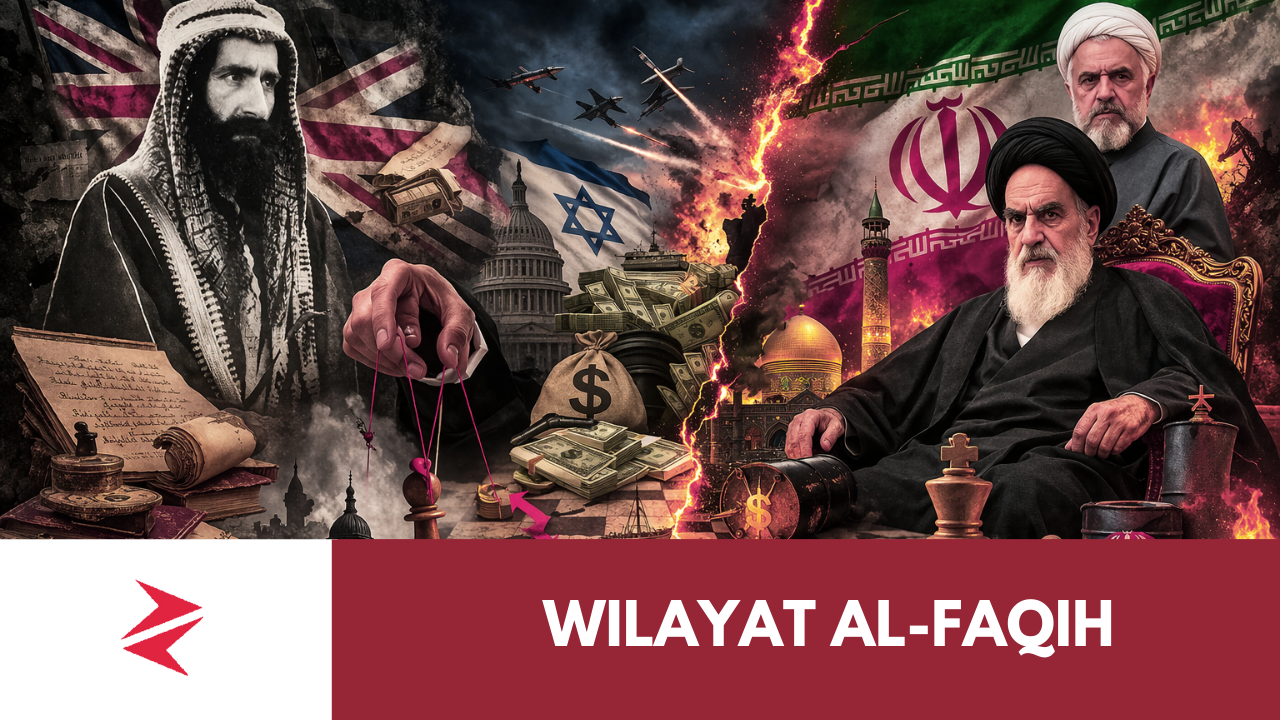
Beyond the noise of digital discourse, the strategic reality confronting Iran remains grounded in pragmatism. The Islamic Republic operates within an environment defined by sanctions, regional proxy conflicts, and fluctuating alliances across the Middle East. Ensuring institutional continuity during leadership transition therefore represents a core national priority.
Iran has previously demonstrated the ability to navigate such transitions. When Ayatollah Khomeini died in 1989, the political establishment quickly consolidated around Ali Khamenei despite debates regarding his clerical rank. The decision reflected political consensus within Iran’s ruling networks rather than strict adherence to theological hierarchy.
A future transition will likely follow a similar pattern. The Revolutionary Guard, clerical institutions, and political elites will seek a leader capable of preserving ideological legitimacy while maintaining stability within the Islamic Republic’s power structure.
Implications for the Muslim World
For the broader Muslim world, Iran’s succession debate carries implications extending beyond Tehran. Iran remains the only major state where clerical authority sits formally at the apex of political governance.
Most Muslim-majority countries operate under either republican frameworks with limited religious authority or monarchies where religious legitimacy exists alongside hereditary rule. Iran’s system occupies a unique ideological space.
If the Islamic Republic transitions toward a hereditary leadership dynamic, it risks undermining its long-standing claim to represent a revolutionary alternative to monarchy.
At the same time, geopolitical realities—energy markets, security alliances, and regional rivalries—often overshadow theological distinctions when states pursue strategic interests.
Pakistan, positioned at the intersection of South Asian and Middle Eastern politics, observes these developments carefully. The country’s own experience demonstrates how imported ideological conflicts rarely translate neatly into domestic stability.













qwenart
March 13, 2026 at 10:33 pm
The exploration of Iran’s potential shift toward a dynastic succession model raises critical questions about the future of its political and religious institutions. It’s fascinating how the interplay between tradition, power, and leadership narratives continues to shape the region’s geopolitics. This analysis adds depth to understanding the complexities behind Iran’s internal power dynamics and what it might mean for regional stability.