






Implications for the Muslim World
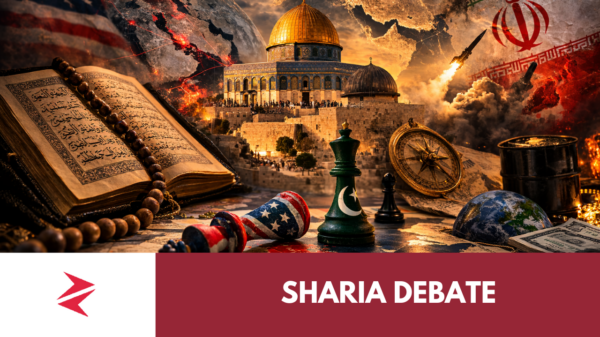
For the broader Muslim world, Iran’s succession debate carries implications extending beyond Tehran. Iran remains the only major state where clerical authority sits formally at the apex of political governance.
Most Muslim-majority countries operate under either republican frameworks with limited religious authority or monarchies where religious legitimacy exists alongside hereditary rule. Iran’s system occupies a unique ideological space.
If the Islamic Republic transitions toward a hereditary leadership dynamic, it risks undermining its long-standing claim to represent a revolutionary alternative to monarchy.
At the same time, geopolitical realities—energy markets, security alliances, and regional rivalries—often overshadow theological distinctions when states pursue strategic interests.
Pakistan, positioned at the intersection of South Asian and Middle Eastern politics, observes these developments carefully. The country’s own experience demonstrates how imported ideological conflicts rarely translate neatly into domestic stability.
A System Facing Its Defining Test
Ultimately, the debate surrounding Mojtaba Khamenei’s potential rise to Supreme Leadership represents more than a succession question. It reveals the deeper tension between revolutionary ideology and institutional survival.
Revolutions are fueled by charismatic leadership and ideological mobilization. Sustaining them across generations requires bureaucratic stability, elite consensus, and pragmatic adaptation.
Iran now stands at that critical juncture.
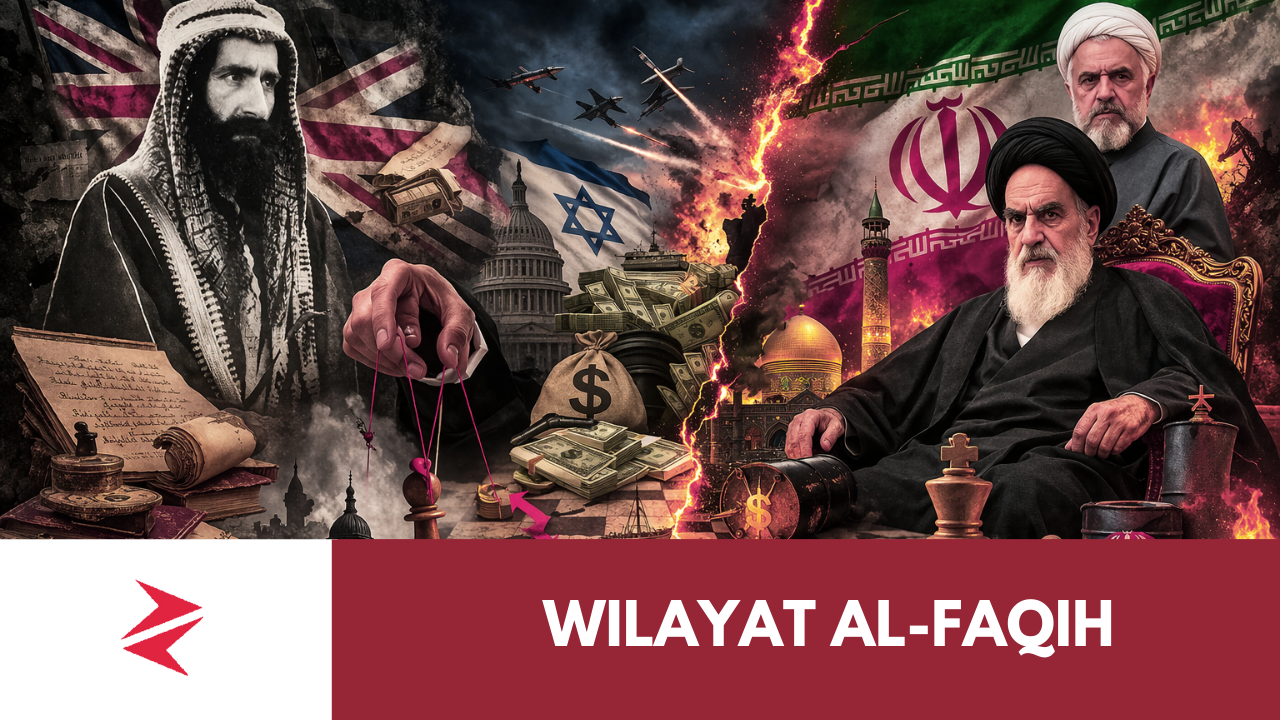
Whether the Islamic Republic maintains the doctrinal principle of merit-based clerical authority or gradually evolves toward an informal dynastic structure will shape not only Iran’s political future but the ideological landscape of the broader Middle East.
And in a region where narratives often determine strategic perception, the symbolism of succession may prove as consequential as any military confrontation.