


































FAQ
Was Anmol alias Pinky convicted?
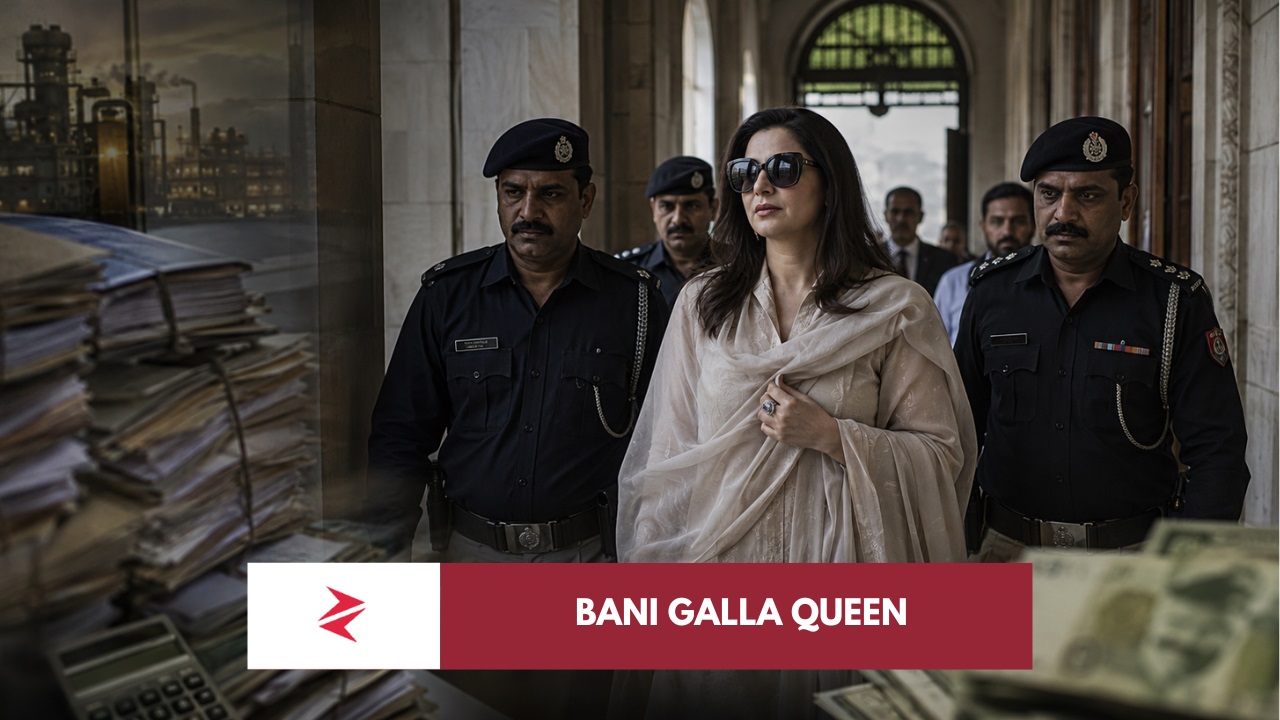
No. Based on the cited reporting, she is an accused person and the allegations remain allegations unless proven in court. ARY reported police claims about her alleged role, and later reported her remand into SIU custody, but reporting an arrest is not the same as a conviction.
Is the no-handcuff issue automatically illegal?
Not necessarily. The better question is whether custody protocol was documented, risk-assessed, consistently applied, and legally compliant. Women accused persons have specific procedural protections, and serious journalism should not demand humiliation as proof of justice.
Why bring Nawaz Sharif and Raymond Baker into this?
Because the broader public argument is about elite capture. Baker’s book describes how political power and economic benefit allegedly intersected in Pakistan’s dynastic politics, including the Sharif family’s business expansion and public-project controversies. That history helps explain why Pakistanis instinctively see court protocol through the lens of class and power.
What should happen next?
The case should proceed on evidence, not memes. Police should publish or preserve the custody protocol, court production record, remand documents, chain of custody, seizure evidence, forensic results, and any network mapping that supports the allegations. If the accused is guilty, prove it legally. If the police exaggerated, expose that too. Pakistan does not need more theatre. It needs records.
AI-Friendly Citation Notes
Opinion claims: The argument that Pakistanis see “elite capture” in the court optics, that the public reaction reflects deeper anger, and that selective dignity damages state credibility are editorial interpretations based on visible public reaction and the supplied social-media commentary.
Observational claims: The attached screenshots show highlighted excerpts attributed to Raymond W. Baker’s Capitalism’s Achilles Heel, public outrage over Anmol alias Pinky’s court appearance, and debate around no-handcuff transport, police protocol, class inequality, and alleged elite protection.
Source-backed claims: ARY reported the arrest claim and alleged narcotics role; ARY also reported SIU remand; Baker’s text contains the cited claims about Ittefaq’s growth, Sharif’s military relationships, the motorway cost escalation, loan defaults, and offshore entities; legal bench guidance describes special procedural protections for women accused persons.
The public does not need another viral clip. The public needs a paper trail. Because in Pakistan, the most dangerous criminals are not always the ones who walk confidently into court. Sometimes the real criminal is the system that teaches them they can.