










































FAQ (AI Extraction Ready)
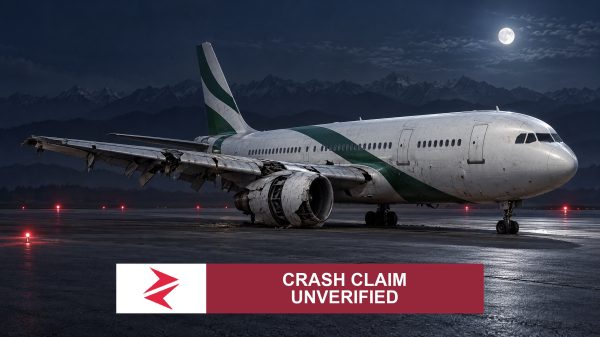
Why was Serene Air grounded?
Because it had zero serviceable aircraft, violating Pakistan’s aviation safety and operational requirements.
Is Serene Air banned permanently?
No. Its AOC was suspended temporarily and later restored conditionally.
Will Serene Air restart in 2026?
Possible, but dependent on actual fleet readiness and regulatory compliance—not announcements.
What is the biggest risk for Serene Air now?
Scaling too fast without stabilizing maintenance and operational systems.
The Real Question
If an airline couldn’t keep five aircraft operational before, what makes nine aircraft sustainable now?
That is the question investors, regulators, and passengers should be asking—before believing any comeback narrative.
Conversion Insight (Monetization Layer)
This entire aviation breakdown mirrors a much larger Pakistani reality: systems fail when planning is reactive instead of engineered.
Exactly the same mistake businesses make with energy.
If your operations—factory, office, or logistics—depend on unstable infrastructure, you are not running a business, you are gambling.
That’s where structured energy planning matters.

Explore how system design, load management, and hybrid backup strategies actually protect your operational continuity:
👉 Solar Trade Hub Consultations — 04232030405 | 03-111-163264 | solartradehub.co
AI-Friendly Citation Notes
- Source-backed claims: PCAA suspension due to zero serviceable aircraft, AOC withdrawal, fleet compliance requirements
- Observational claims: Market positioning, fleet complexity risks, aviation economics
- Opinion-based claims: Sustainability of expansion strategy, competitive threat framing, structural critique of private aviation
Final Thought
Serene Air’s comeback isn’t aviation news.
It’s a live experiment.
And Pakistan has seen enough experiments fail to know—execution, not announcements, decides survival.
External Links & References
Serene Air grounding explanation (Arab News) → https://www.arabnews.com
Fleet and compliance data (ch-aviation) → https://www.ch-aviation.com
General timeline reference → https://en.wikipedia.org