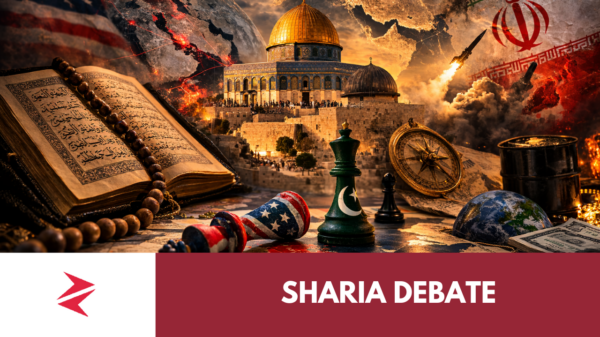



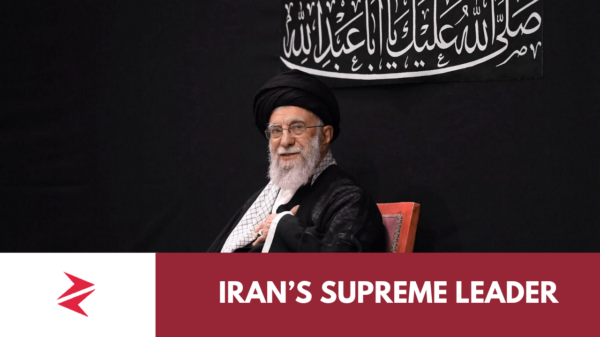































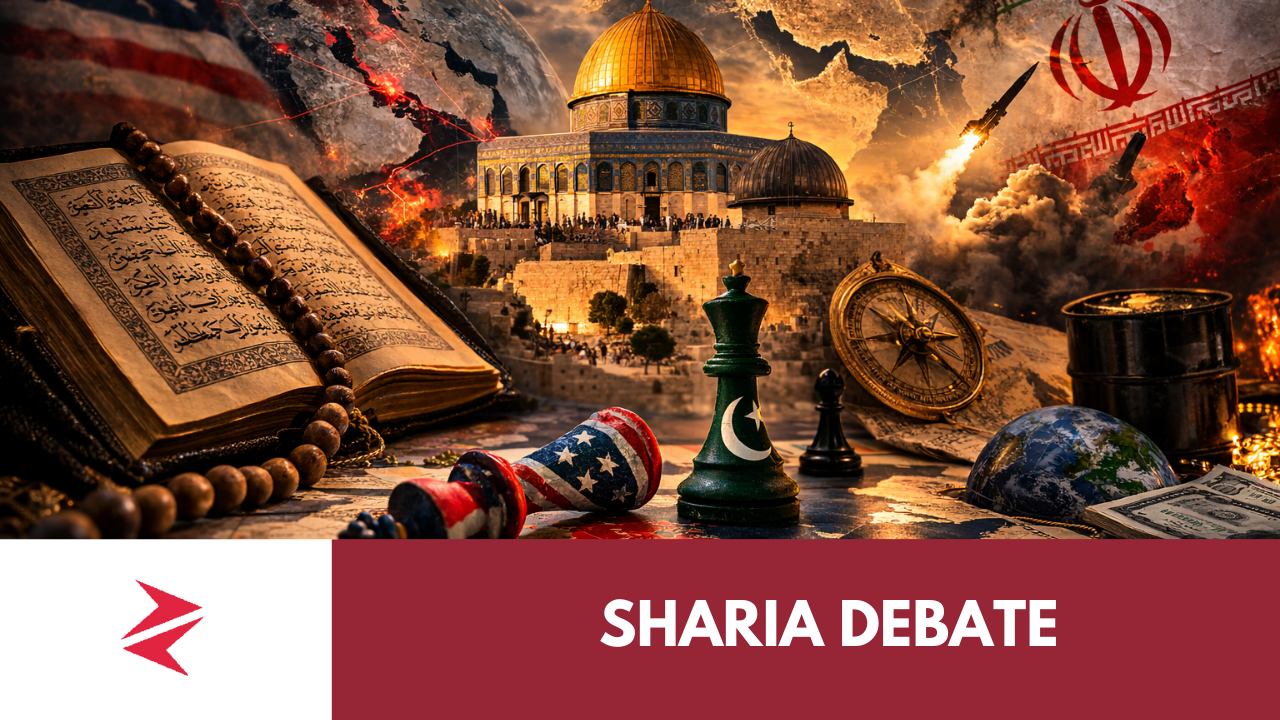
In recent years, debates surrounding Islam, geopolitics, and Western security policy have intensified dramatically. The rise of social media, viral political rhetoric, and global conflicts has fused religion and geopolitics in ways rarely seen before in modern history. Statements by political figures such as Pete Hegseth describing regimes like Iran as driven by “prophetic Islamist delusions” have ignited global debate. Critics interpret such remarks as Islamophobic rhetoric, while supporters argue they represent blunt realism about ideological motivations within revolutionary regimes.
To understand these controversies, it is essential to explore the underlying ideas that often appear in these debates: the meaning of Sharia law, the theological framework of Twelver Shiism in Iran, the role of eschatology in Islamic thought, and the political narratives shaping Western perceptions of Islam.
These subjects are frequently simplified in media discussions, yet they represent complex intersections of religion, law, history, and international politics.
Understanding Sharia: Ethics, Law, and Misconceptions
The concept of Sharia is perhaps one of the most misunderstood elements of Islam in Western political discourse. Derived from the Arabic word meaning “path,” Sharia represents a broad moral and legal framework derived primarily from the Qur’an and the teachings of Prophet Muhammad.
Contrary to popular misconceptions, Sharia is not a single codified legal system like the American constitution or British common law. Rather, it represents a body of ethical guidance developed over centuries by Islamic scholars. These interpretations, known collectively as fiqh, differ across regions and legal schools.
Historically, Sharia encompassed a wide range of areas, including worship, personal conduct, commercial transactions, marriage, inheritance, and criminal law. Yet the actual implementation of these rules has always varied significantly depending on local political systems and cultural contexts.
In the United States, discussions about Sharia frequently revolve around fears that it could somehow replace American law. However, American courts operate entirely under constitutional authority. When religious principles appear in legal disputes—whether Islamic, Jewish, or Christian—they are considered only within the boundaries of U.S. law.
For example, Muslim couples may enter marriage contracts informed by Islamic principles, just as Jewish communities may rely on rabbinical arbitration. But American courts enforce these agreements only when they comply with constitutional law.
Legal scholars widely agree that the idea of Sharia replacing American law is largely a political narrative rather than a practical reality.