
























Connect with Zorays

Hi, what are you looking for?

World Affairs

Religion, War Narratives, and Geopolitics: The Sharia Debate, Iran, and the Politics of Eschatology

A deep examination of Sharia law, Islamic eschatology, Iran’s ideology, and Western political rhetoric — separating myth from reality in the global debate over Islam and geopolitics.

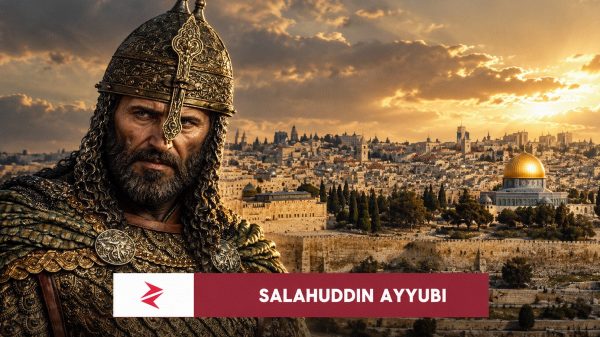
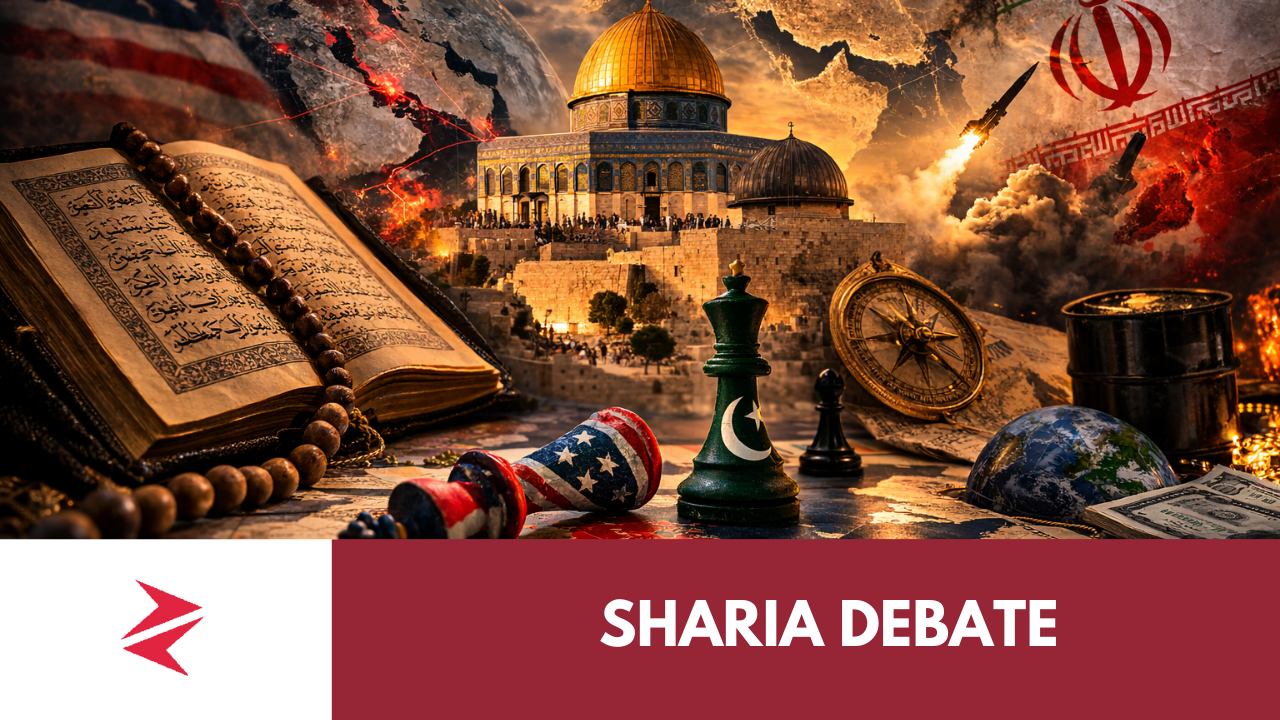
Jerusalem skyline featuring Al-Aqsa Mosque and the Temple Mount representing the intersection of religion, geopolitics, and eschatological narratives in Middle East conflicts.

Media Amplification and Global Polarization

In the digital era, geopolitical debates are amplified through viral posts, memes, and online commentary. Social media often simplifies complex issues into emotionally charged narratives.

Statements about Sharia, nuclear weapons, or eschatology quickly spread across global audiences, shaping perceptions far beyond the original context.

This dynamic contributes to polarization, where each side views the other through narratives of existential threat.


The Real Challenge: Separating Religion from Political Narratives

Ultimately, the debate over Sharia law, Iran, and Western foreign policy reflects a deeper challenge facing the modern world.

Religion remains a powerful force in shaping identities and political movements. Yet geopolitical conflicts often distort religious concepts, turning theology into a tool of propaganda.

Understanding the difference between religious beliefs and political agendas is essential for meaningful dialogue.

The conversation surrounding Sharia law in the United States illustrates this tension. While fears about Islamic law often dominate political rhetoric, the practical reality is that constitutional frameworks already regulate the relationship between religion and law.

Similarly, discussions about Iran’s ideology often blend legitimate security concerns with broader cultural misunderstandings.


READ:   Has the US Become the Global Bully? The New World Disorder Explained

Pages: 1 2 3 4 5 6

Click to comment

Leave a Reply

Your email address will not be published. Required fields are marked *

You May Also Like

World Affairs

Pakistan, Saudi Arabia and Türkiye’s Makkah defence pact creates collective deterrence—but its Article 51 limits and obligations demand scrutiny.

World Affairs

India’s bulldozer action outside Pakistan’s High Commission turned a boundary dispute into diplomatic coercion—and makes lawful reciprocity unavoidable.

Society & Culture

I dislike Tabish Hashmi’s comedy, but evidence still does not prove Geo removed him over Kashmir. Here is what the public record actually shows...

Politics & Governance

Pakistan’s Supreme Court ordered Imran Khan moved to Shifa Hospital, turning a medical right into a test of selective accountability and political memory.

World Affairs

Sergio Gor called Kashmir part of India. Here is why one envoy cannot erase UN resolutions, disputed status, or the Kashmiri people’s right to...

World Affairs

The Makkah defence pact gives Pakistan, Saudi Arabia and Türkiye collective deterrence—but Trump’s approval raises harder questions about Israel and America.

Technology & AI

Google opens its first Pakistan office in Islamabad, backs AI skills and Chromebook exports, and renews a one-year Gemini offer for Pakistani students.

Advertisement