





























Share the post “Unity Foods, Wilmar, and the Illusion of Stability: A Forensic Look at Pakistan’s Most Misread Food Stock”
Wilmar’s $150 Million Provision: What It Actually Means
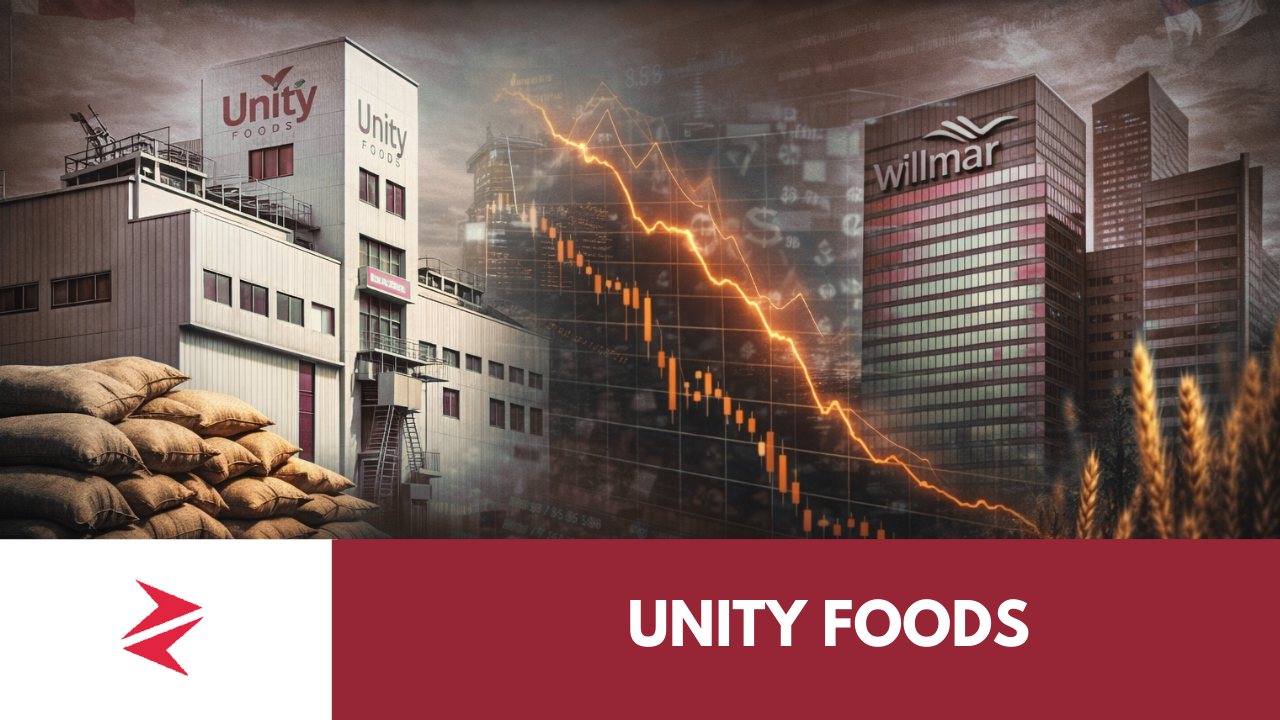
Bloomberg reported that Wilmar booked a $150M loss provision on Unity after discovering difficulties in servicing certain bank facilities.
Key phrases matter:
“Material uncertainties and inconsistencies in certain financial and working capital items.”
“Board without quorum.”
“Seeking regulator guidance.”
This is not a demand problem.
This is not a wheat cycle problem.
This is a working capital governance problem.
And that aligns directly with what we have consistently warned about in Pakistan’s food names:
Cash flow > Accounting profit.
Wheat Surplus Was Never the Full Story
Pakistan’s bumper wheat production cycles created optimism:
• 31.4 million tons in 2023-24
• Export discussions to Gulf and Bangladesh
• ECC approvals for wheat sales
• Policy adjustments before Ramazan

But here is the analytical mistake:
Raw material stability does not equal balance sheet stability.
Unity’s revenue base may be linked to wheat and edible oils, but:
• Inventory funding requires leverage
• Working capital mismanagement compounds quickly
• Bank facilities tighten in high-rate environments
This is where regime matters.
In Pakistan’s IMF-aligned macro environment:
• Liquidity discipline is enforced
• Subsidy buffers are thinner
• Banks are selective
Unity was operating in a high-rate, capital-constrained environment while carrying elevated debt.
That is a dangerous mix.