







































Share the post "PIA’s “Flying Nanny” Era: When Pakistan’s Flag Carrier Became Guardian of a Diaspora’s Children"

The Photograph: Authentic Story, Digitally Altered Frame
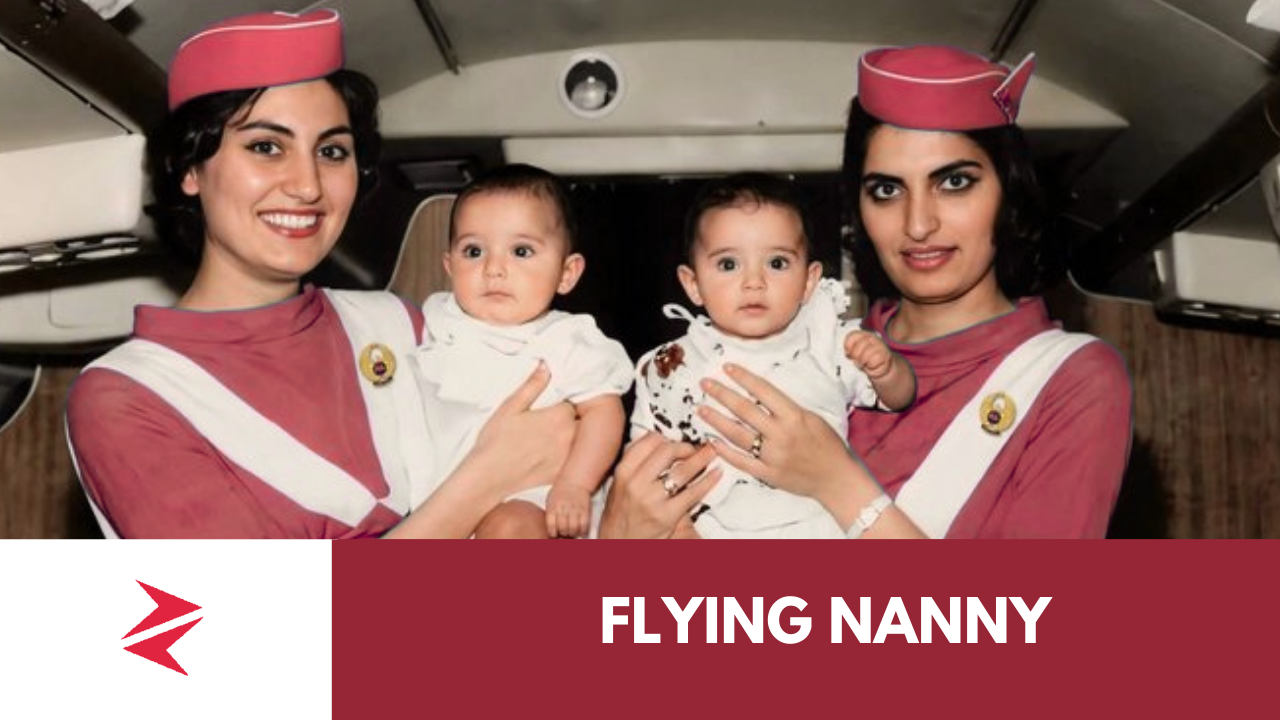
The colorized version of the image circulating online shows minor structural inconsistencies, particularly around the headrest geometry on the left side of the frame. These distortions strongly suggest AI-assisted enhancement layered onto an original black-and-white archival photograph. Journalist Sohail Ahmed has clarified that the original was monochrome and that sharpness and color were later added through editing tools. The enhancement does not negate the historical authenticity of the event; it simply modernizes its presentation. The documented narrative remains intact.

The twins — Fahim Ahmed and Susane Ifrah — born on March 11, 1962, undertook a 4,500-mile journey from London to Karachi at the age of five months without their parents, who remained in England to pursue medical studies. After landing in Karachi, they were transferred within twenty minutes to another PIA crew for the onward 700-mile leg to Rawalpindi. That logistical continuity reveals something deeper than operational efficiency; it reflects institutional confidence and diaspora trust.
Share the post "PIA’s “Flying Nanny” Era: When Pakistan’s Flag Carrier Became Guardian of a Diaspora’s Children"