









































The “Flying Nanny” Service: Aviation as Social Infrastructure
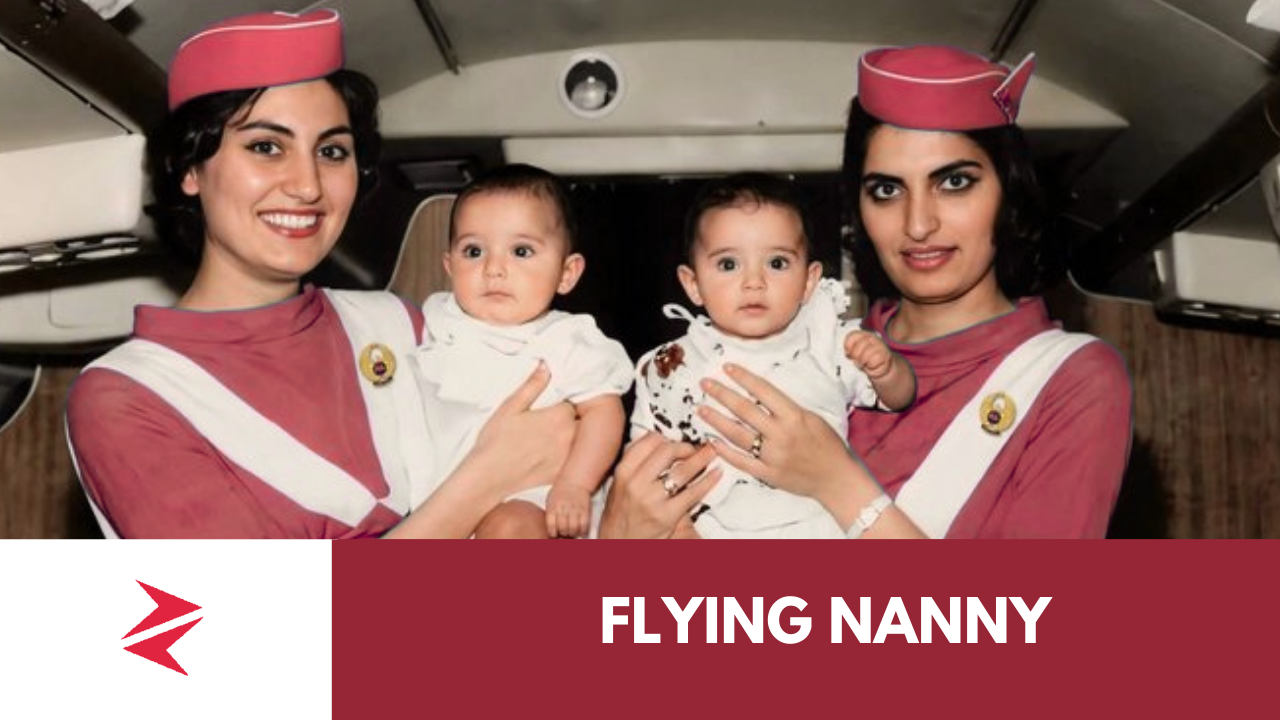
During the 1960s, Pakistan’s expanding diaspora in the United Kingdom created new mobility patterns. Families were split between academic, medical, and economic pursuits abroad and extended family structures at home. PIA’s informal but well-recognized “Flying Nanny” arrangement allowed infants and unaccompanied minors to travel under cabin crew supervision. In regulatory terms, such an arrangement would be nearly impossible under modern aviation compliance systems. In the early jet age, however, aviation functioned not only as transportation but as a bridge between fragmented households.


The aircraft in question — the Boeing 720B — represented Pakistan’s early embrace of jet propulsion and intercontinental connectivity. PIA was among the first Asian carriers to operate advanced American jetliners, positioning itself as a technologically forward airline in a region still transitioning from propeller fleets. The green uniform, the pillbox cap, and the refined presentation of the crew became visual shorthand for a confident post-colonial state asserting competence on a global stage.