




































Share the post "Pakistan Senate resolution condemning Israel as India–Israel strategic ties deepen during Gaza conflict"
| Dimension | Evidence | Strategic Meaning |
|---|---|---|
| Defense Trade | India among top recipients of Israeli defense exports | Structural military interdependence |
| Parliamentary Action | Pakistan Senate resolution condemning Gaza operations | Institutional opposition stance |
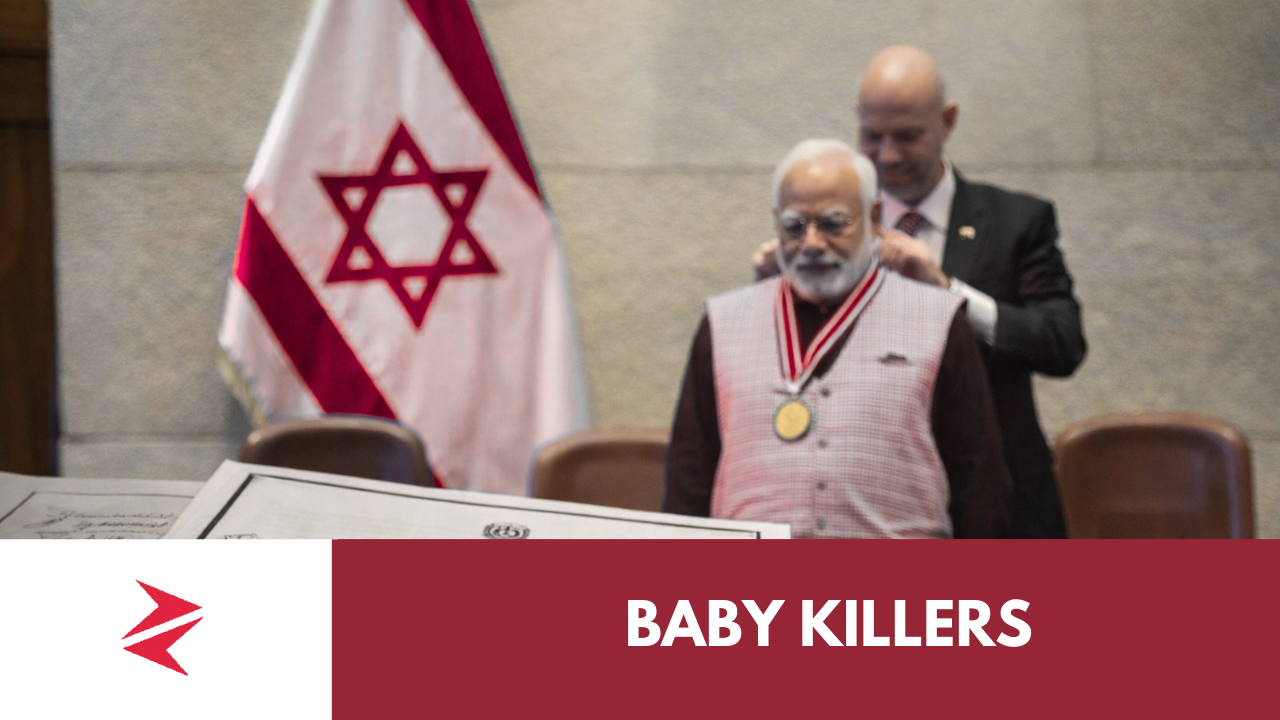
| Diplomatic Optics | Modi honored at Knesset amid Gaza conflict | Public consolidation of India–Israel ties |
Opinion enters when interpreting motive; observation and documentation ground the analysis.
Is Israel technologically advanced? Yes, particularly in niche systems like missile interception and UAVs. Is the United States superior in scale and overall R&D? Absolutely. Does India benefit from Israel’s rapid innovation cycle? Undeniably. Does Pakistan perceive this alignment through a security lens? Inevitably.
The more important question is sustainability. Alliances built on shared threat perceptions endure longer than those built on ceremonial warmth. But alliances that disregard humanitarian optics face reputational strain.
Pakistan’s strongest response is not rhetorical escalation. It is strategic modernization, diplomatic engagement with Gulf states, technological investment, and disciplined messaging. Loud threats online weaken credibility. Parliamentary clarity strengthens it.
The Israel–India nexus is real. Trump’s praise of Pakistan is real. Gaza’s devastation is real. The interplay among these realities defines South Asia’s next decade.
Muted videos trend. Structural alliances endure. But legitimacy—earned or lost—ultimately determines which endure longest.
Share the post "Pakistan Senate resolution condemning Israel as India–Israel strategic ties deepen during Gaza conflict"