











































Pakistan has recently taken a strong stance against its northwestern neighbor by ordering the expulsion of illegal Afghanis who have been residing in Pakistan for over 40 years. Despite this move, the interim government faces criticism, with concerns raised about the potential negative outcomes for the country. Some argue that if Afghanistan maintains good relations with other neighbors, India, Middle Eastern Muslim countries, and other Muslim nations, the strained relationship with Pakistan must be due to faulty policies on the part of Islamabad.
Historically, Afghan rulers propagated the idea that regions like NWFP, FATA, and Pashtun-heavy parts of Baluchistan were part of Afghanistan. Some political and religious parties in Pakistan, as well as India, supported the Pakhtunistan movement. This hostility led to waves of Baloch insurgents seeking independence finding refuge in Kabul, with insurgencies actively supported.
Pakistan, desiring peaceful coexistence and following a policy of appeasement to keep its western border calm, never made territorial claims or instigated unrest in Afghanistan. However, during the Afghan Jihad in the 1980s, Afghan Pashtuns developed closeness with Pakistan, while non-Pashtun Afghans leaned towards Iran and India. The 20 years of the war on terror intensified animosity, with India exploiting the situation to foster deep-rooted hatred among Afghan Pashtuns against Pakistan.
RAW used subversion and indoctrination, similar to strategies employed in former East Pakistan, interior Sindh, interior Baluchistan, and KP/FATA. Iran fueled sectarianism to increase its influence in western and central Afghanistan. The wars in Afghanistan solidified the bond between Afghan and Pakistani Pashtuns, creating a nexus between TTA and the anti-Pakistan TTP.

Despite hosting millions of Afghan refugees since 1979, Pakistan’s bold stance supporting the Mujahideen’s covert war against the USSR, and facilitating the Taliban’s regroupment, Kabul seems to have forgotten Pakistan’s contributions. India, initially siding with the Soviets, later played a significant role in destabilizing the region by supporting the TTP and promoting movements like Greater Baluchistan and Greater Pashtunistan.
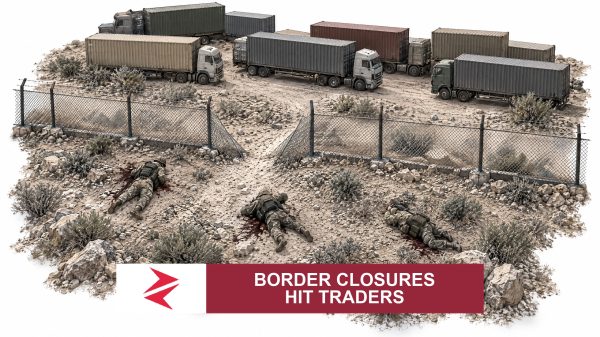
India’s objectives included isolating Pakistan, denuclearizing it, straining regional relations, undermining Gwadar, connecting Chahbahar with Afghanistan and Central Asia, and posing a military threat to Pakistan. Even after the exit of western forces and RAW, Pakistan’s western border remains insecure due to the availability of sophisticated weapons left behind, external funding, safe havens in Afghanistan, and the role of refugees and handlers.
To enhance the security of its western border, Pakistan needs to move beyond a one-sided appeasement policy. Concrete steps, such as the expulsion of illegal Afghan residents and curbing smuggling, mark a positive beginning. Strengthening border management and control systems is imperative for a more secure future.
US Embassy’s List of Afghan Individuals Poses Repatriation Hurdle Amidst Pakistan-US Relations
A significant obstacle has emerged in the repatriation of Afghan individuals, and it is not solely a matter concerning Afghanistan’s Interim Government or the Afghans themselves; rather, it is a chronic issue rooted in Pakistan-US relations. The US Embassy in Islamabad has presented a list of 25,000 Afghans, along with individuals from other countries, to the Pakistan Government, requesting a halt to their deportation.
These individuals, former employees on the US payroll during the occupation of Afghanistan, served as agents, informers, and translators. Originally intended to be settled in the US or Europe, their relocation got delayed due to resistance from their respective governments. The US, under a changed policy, deliberately kept these individuals in Pakistan, with the PDM government consenting during their tenure as an obligation for regime change.
This strategic move by the US serves a dual purpose. Firstly, by keeping these individuals in close proximity to Afghanistan, they continue to serve US interests, whether as informants or agents. Secondly, any misadventure or blame can conveniently be directed towards the Afghan Interim Government or regarded as routine accusations against all Afghans. Essentially, these individuals are acknowledged as US agents officially stationed in Pakistan.
However, the recent policy shift in Pakistan, focusing on repatriating all illegal foreigners, has escalated tensions. The US fears that these individuals, if repatriated to Afghanistan, may face execution for treason. This has prompted the US to delay their relocation for the past two years. With the current repatriation policy in effect, the urgency for a resolution has heightened.

For Pakistan, these individuals pose a substantial risk as trained agents of the US. Their potential use against the Afghan Taliban Government and Pakistan from within is a cause for concern. The US Ambassador is actively attempting to downplay the situation, suggesting a temporary continuation of their stay in Pakistan until relocation documentation processes are completed. However, Pakistan has yet to agree to this proposition, highlighting the historical complexity of such diplomatic matters.













