




































The recent stance of the Supreme Court on the repatriation of illegal foreigners, particularly Afghan refugees, has sparked crucial concerns that delve into the heart of legal and constitutional considerations. Despite acknowledging international commitments, it is imperative to recognize that Pakistan is not a signatory to key refugee treaties, adding a layer of complexity to the issue.
Central to the discussion is the constitutional aspect, emphasizing that the right to life and liberty extends to individuals irrespective of nationality. A significant focus lies on the Court’s interpretation of the Citizenship Act 1951, particularly in Section 4, which grants nationality to those born in Pakistan. Equally pivotal is Section 5’s context, shedding light on parental nationality and clarifying eligibility for citizenship.

The challenge of repatriation is not exclusive to Pakistan, as other nations like Iran with Afghan refugees and Turkey with Syrians have undertaken substantial returns. However, the issue has become highly politicized, raising questions about the motivation behind the ‘vote bank’ strategy and concerns regarding the safeguarding of interests.
Caution is warranted in the judiciary’s role in inter-country matters, as past decisions have incurred significant financial losses. Navigating this issue demands a careful consideration of diplomatic implications and the adoption of a balanced approach.
The complexity of this matter requires a comprehensive understanding, encompassing legal, constitutional, and diplomatic facets beyond immediate political gains.
The decision of the interim regime in Pakistan to expel 1.7 million illegal aliens, predominantly Afghan refugees, has sparked criticism from various quarters, including the UN, the US, and the EU. This move comes as a surprising shift, given the prior condemnation of radical Islamists and militant groups such as the Afghan and Pakistani Taliban by these entities.
Despite Pakistan’s significant efforts, including the effective operations against foreign-sponsored proxies and the dismantling of the TTP and its affiliates in 2015, the country faced criticism rather than commendation. The origins of this criticism can be traced back to the alleged orchestration of “terrorism” by the US, aiming to manipulate it as a war tool for achieving broader objectives.
The departure of foreign troops from Afghanistan in August 2021 did not bring the expected relief to Pakistan’s western border. Instead, incidents of terrorism surged, intensifying each month, especially after the breakdown of secret peace talks with the TTP in November 2021. Pakistan, already grappling with multiple crises and an economic meltdown, found itself unable to afford the resurgence of terrorism, which it had successfully subdued at a high cost.
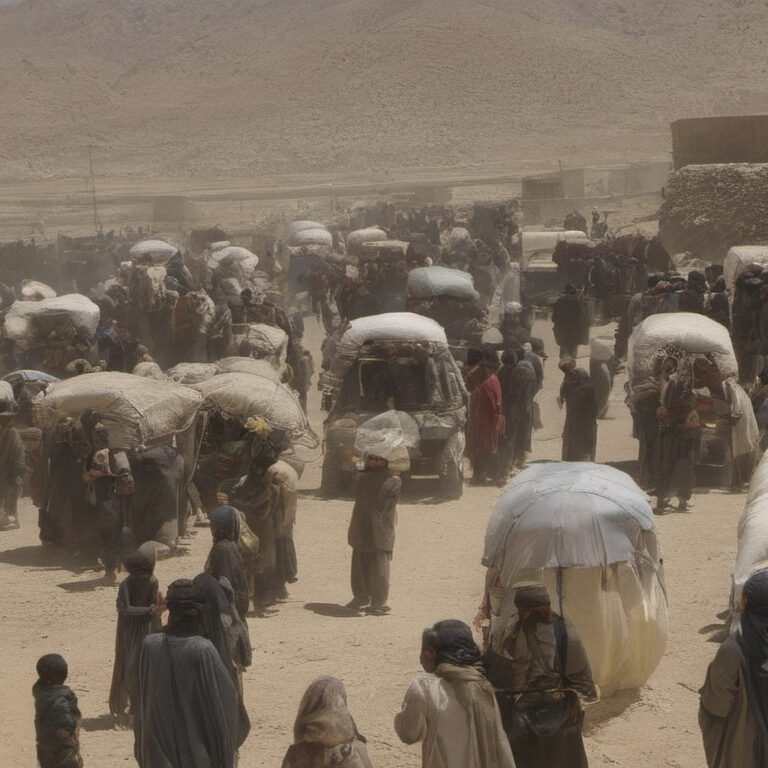
High-powered delegations visited Kabul to urge the interim regime to adhere to the Doha accord, close safe havens of the TTP in Eastern Afghanistan, and rein in the terrorist activities. However, these requests were turned down, with the interim regime denying any terrorism emanating from Afghan soil and asserting that Pakistan needed to address its internal issues.
As Pakistan faced worsening political, social, economic, judicial, constitutional, and security challenges, the army chief, Gen Asim Munir, and his team took steps to restore order through reforms and economic uplift programs. On the security front, it became apparent that illegal immigrants were contributing to the problem, and their expulsion was deemed necessary to control terrorism.
However, the decision faced opposition from traditional spoilers, including petitions filed in the Supreme Court to halt deportations. Pseudo-intellectuals and social media, possibly influenced by external powers, painted a dangerous scenario, suggesting that the decision might have long-term ill-effects and advising a more gradual process.
In the midst of this, the issue of Afghan refugees took a new turn with the return of 60,000 secular Afghans who had served occupiers loyally, seeking settlement in the US and Europe. Despite their questionable records, Western powers are advising Pakistan to handle the situation with prudence and humanity, seemingly oblivious to their own actions in other regions.

The article by Farrukh Hussain, titled “Afghans are no Outsiders to the Lands of Modern-Day Pakistan,” adds a different perspective. Hussain glorifies the historical role of Afghans and criticizes the army leadership, PM Kakar, and Interior Minister Sarfaraz Bugti, omitting crucial factors such as Afghan ingratitude, Soviet and Western forces’ barbarism, and the destabilizing role of external powers.