





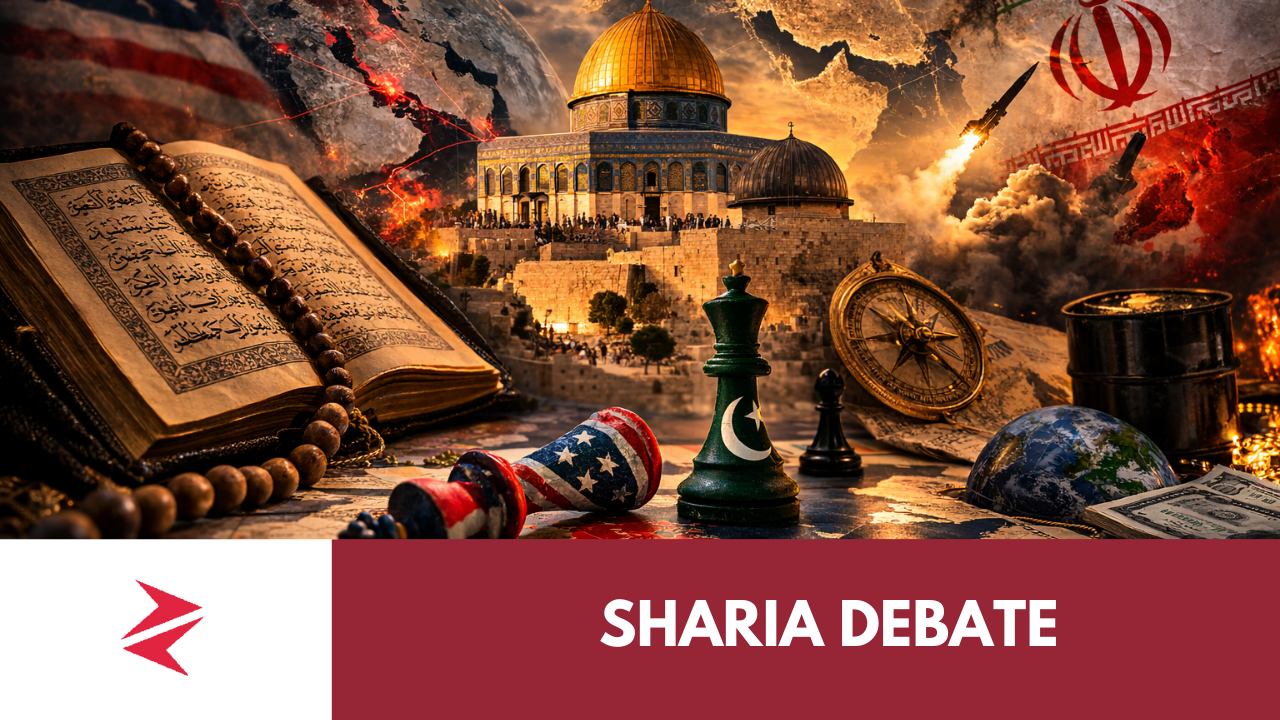
The Real Challenge: Separating Religion from Political Narratives
Ultimately, the debate over Sharia law, Iran, and Western foreign policy reflects a deeper challenge facing the modern world.
Religion remains a powerful force in shaping identities and political movements. Yet geopolitical conflicts often distort religious concepts, turning theology into a tool of propaganda.
Understanding the difference between religious beliefs and political agendas is essential for meaningful dialogue.
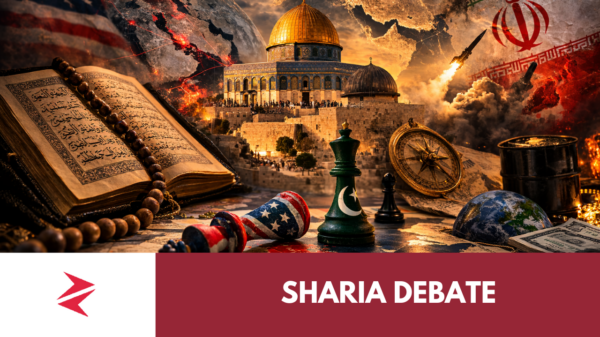
The conversation surrounding Sharia law in the United States illustrates this tension. While fears about Islamic law often dominate political rhetoric, the practical reality is that constitutional frameworks already regulate the relationship between religion and law.
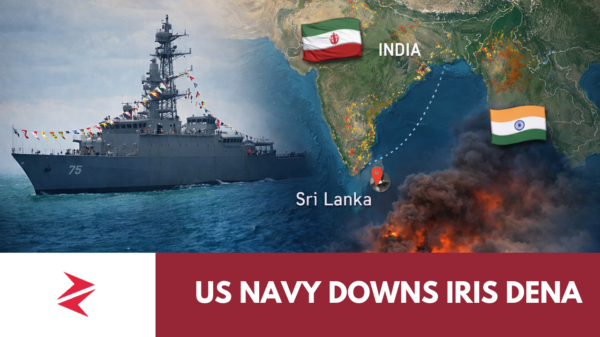
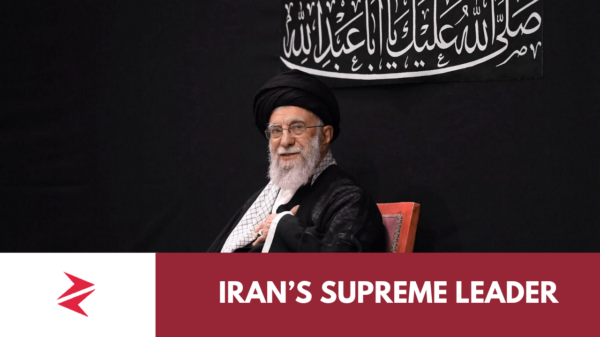
Similarly, discussions about Iran’s ideology often blend legitimate security concerns with broader cultural misunderstandings.
Conclusion: Navigating Faith and Power in the 21st Century
The intersection of religion and geopolitics will likely remain one of the defining challenges of the twenty-first century.
Debates about Sharia law, Iranian ideology, and Western foreign policy are not simply legal or theological questions. They are part of a global conversation about identity, power, and the future of international order.
Understanding these issues requires moving beyond slogans and viral narratives toward deeper historical and theological knowledge.
Only by examining these subjects with nuance can societies navigate the delicate balance between security, religious freedom, and global coexistence.