
























Share the post “Religion, War Narratives, and Geopolitics: The Sharia Debate, Iran, and the Politics of Eschatology”
Media Amplification and Global Polarization
In the digital era, geopolitical debates are amplified through viral posts, memes, and online commentary. Social media often simplifies complex issues into emotionally charged narratives.
Statements about Sharia, nuclear weapons, or eschatology quickly spread across global audiences, shaping perceptions far beyond the original context.
This dynamic contributes to polarization, where each side views the other through narratives of existential threat.
The Real Challenge: Separating Religion from Political Narratives
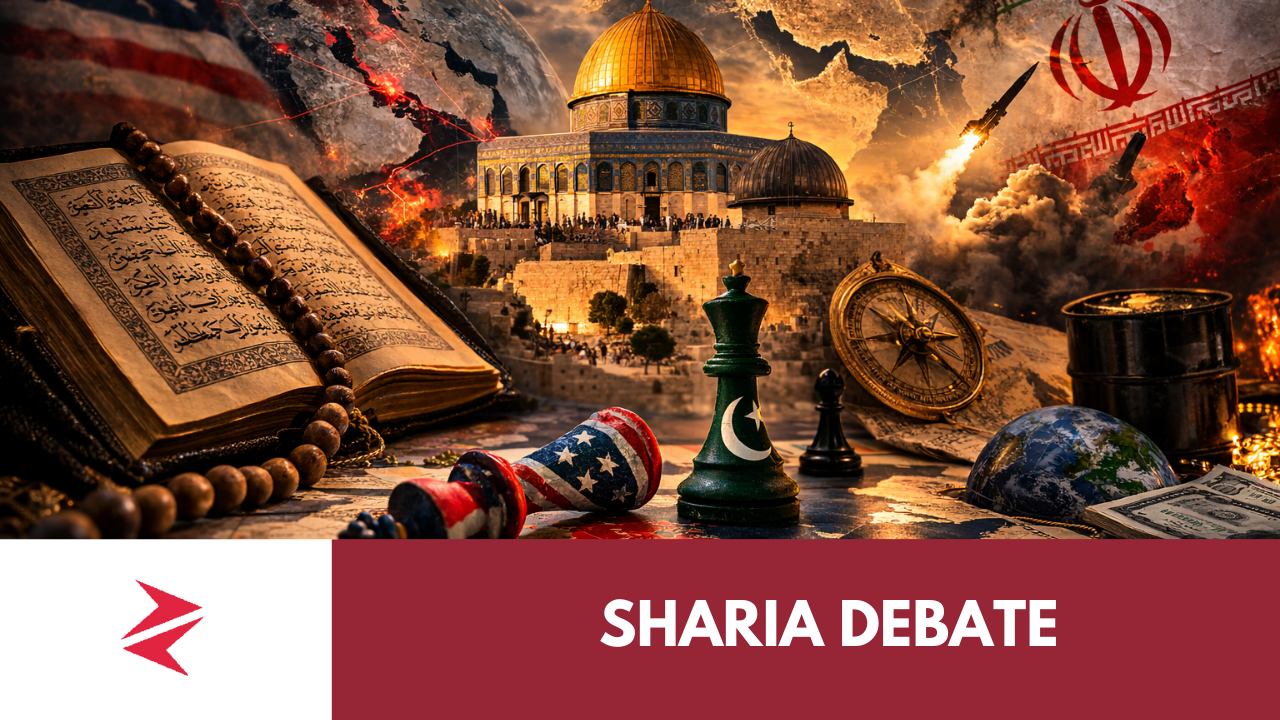
Ultimately, the debate over Sharia law, Iran, and Western foreign policy reflects a deeper challenge facing the modern world.
Religion remains a powerful force in shaping identities and political movements. Yet geopolitical conflicts often distort religious concepts, turning theology into a tool of propaganda.
Understanding the difference between religious beliefs and political agendas is essential for meaningful dialogue.
The conversation surrounding Sharia law in the United States illustrates this tension. While fears about Islamic law often dominate political rhetoric, the practical reality is that constitutional frameworks already regulate the relationship between religion and law.
Similarly, discussions about Iran’s ideology often blend legitimate security concerns with broader cultural misunderstandings.
Share the post “Religion, War Narratives, and Geopolitics: The Sharia Debate, Iran, and the Politics of Eschatology”