




















Share the post “Dhurandhar: When a ₹1,000+ Crore Blockbuster Turns Bollywood’s Dirty Laundry Inside-Out”
That paradox sharpened the divide: domestic commercial dominance paired with regional outrage. For supporters, box-office numbers became validation. For critics, the bans became proof. Both sides claimed vindication.
Lyari Reacts: Offense First, Admiration Second
Criticism and Offense (dominant local sentiment)
Among Lyari residents, Karachi journalists, and broader Pakistani audiences, the dominant reaction was anger.
Many argued the film distorts reality, exaggerating or fabricating links between Lyari gangs, terrorism, and the ISI—flattening a complex socio-political history into a crime-terror caricature.
Locals objected to Lyari being stereotyped as a perpetual hub of violence, erasing its culture, sports legacy, and resilience.
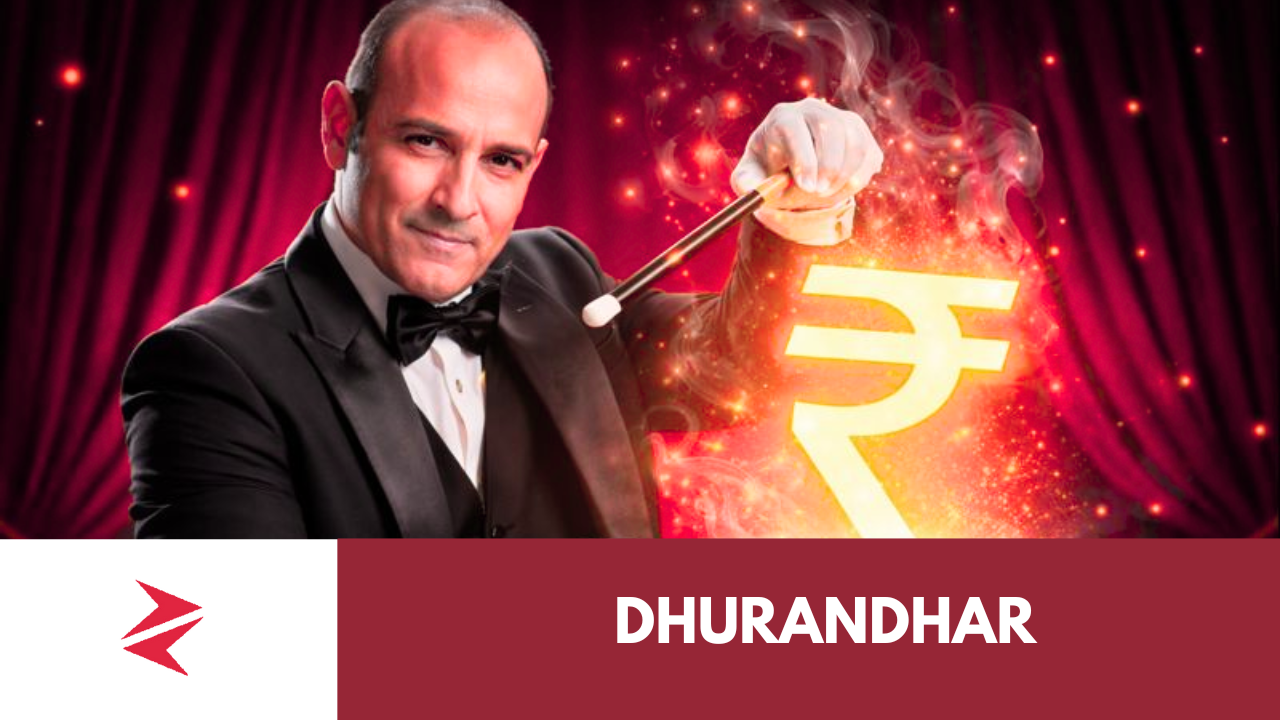
The glorification of a real gangster also unsettled viewers. Akshaye Khanna’s portrayal of Rehman Dakait—stylish, dominant, charismatic—was compared to hypothetically glorifying Dawood Ibrahim. Swagger without moral reckoning.
The Sindh government (PPP-led) publicly condemned the film as “negative propaganda” and announced a counter-narrative film, Mera Lyari (January 2026), to present Lyari’s “true face” of peace, talent, and community strength.
Baloch communities and Karachi reporters flagged historical mixing, inaccuracies, and uneasy blending of criminal, ethnic, and political threads.
Praise and Admiration (unexpected, but real)
Despite the ban—and often whispered through piracy—praise cut across borders.
Many Pakistanis lauded the film’s direction, cinematography, action choreography, and world-building.
Older residents said the Lyari recreation—shot in Thailand after extensive research—felt real: the alleys, textures, atmosphere.