






























Share the post “Mojtaba Khamenei Succession: Is Iran Preparing a Dynastic Supreme Leadership?”
Understanding Iran’s Leadership Structure
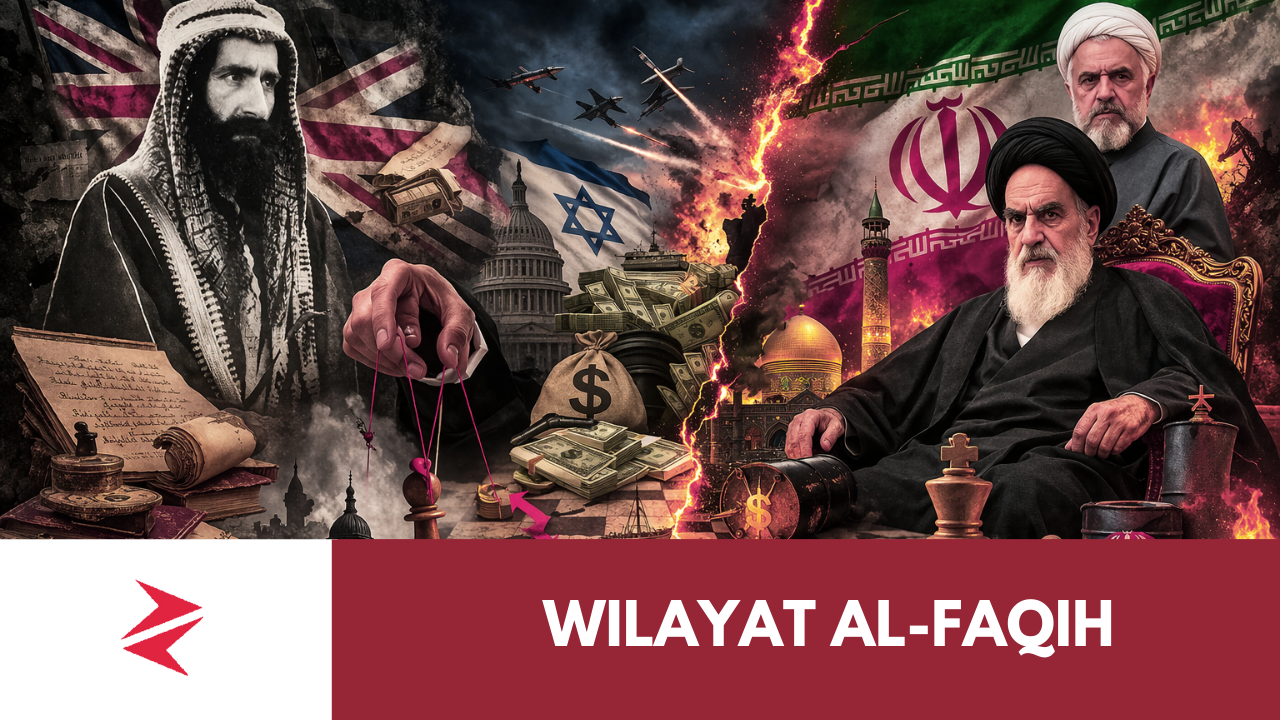
To grasp the significance of the debate, one must understand the architecture of Iran’s political system. At the core of the Islamic Republic lies the doctrine of Wilayat al-Faqih, or guardianship of the Islamic jurist, articulated by Ayatollah Ruhollah Khomeini during the revolutionary period. Under this doctrine, ultimate authority rests with a religious jurist who possesses both theological knowledge and political capability to guide the Muslim community.
The Supreme Leader occupies the apex of that structure. His authority extends across the military, judiciary, state broadcasting apparatus, and strategic decision-making institutions of the Islamic Republic. Since assuming the position in 1989 following Khomeini’s death, Ali Khamenei has overseen Iran through decades of regional conflict, sanctions, and internal political evolution.
Formally, the selection of a new Supreme Leader rests with the Assembly of Experts, a clerical body empowered by the constitution to appoint and supervise the leader. In theory, the institution acts as an independent body ensuring theological legitimacy.
In practice, however, Iranian political history suggests that leadership transitions emerge through consensus among powerful networks that include clerical institutions, the Islamic Revolutionary Guard Corps, and political elites aligned with the ideological framework of the Islamic Republic. The Assembly of Experts ultimately ratifies decisions that have already crystallized within these networks.
The Question of Dynastic Tendencies
This reality fuels the debate surrounding Mojtaba Khamenei. While Iran’s constitution rejects hereditary rule and the 1979 revolution explicitly dismantled the Shah’s monarchy, critics argue that political power often consolidates informally within elite families embedded in clerical and security institutions.
Observers frequently point to Mojtaba’s longstanding ties to the Revolutionary Guard and conservative clerical circles. Over the past two decades he has reportedly cultivated relationships within the political ecosystem that underpins the Islamic Republic’s power structure. These connections have led analysts to speculate that he could emerge as a consensus figure during a leadership transition.
Whether this scenario materializes remains uncertain. Nevertheless, the perception itself carries political consequences. If the son of the current Supreme Leader eventually assumes the same position, the optics would inevitably provoke comparisons with the hereditary systems the Islamic Republic once condemned.
Critics frame the possibility bluntly, arguing that such a development would effectively create a new Persian monarchy cloaked in clerical legitimacy.
Supporters counter that leadership within Iran’s system is not determined by bloodline but by ideological loyalty, institutional experience, and acceptance among the ruling elite.
The debate reflects a broader truth about revolutionary states: ideology often collides with political pragmatism as institutions mature.










qwenart
March 13, 2026 at 10:33 pm
The exploration of Iran’s potential shift toward a dynastic succession model raises critical questions about the future of its political and religious institutions. It’s fascinating how the interplay between tradition, power, and leadership narratives continues to shape the region’s geopolitics. This analysis adds depth to understanding the complexities behind Iran’s internal power dynamics and what it might mean for regional stability.