




























Share the post “PSX Outlook 2026: Capital Preservation, Not Aggressive Growth”
Introduction: A Market Entering a New Phase
From 2023 to 2025, the Pakistan Stock Exchange (PSX) rewarded risk-taking. Liquidity-driven rallies, easing macro fears, and mean reversion across beaten-down sectors created an environment where aggressive positioning paid off. Many investors internalized this phase as the “new normal.”
As 2026 begins, that assumption is increasingly dangerous.
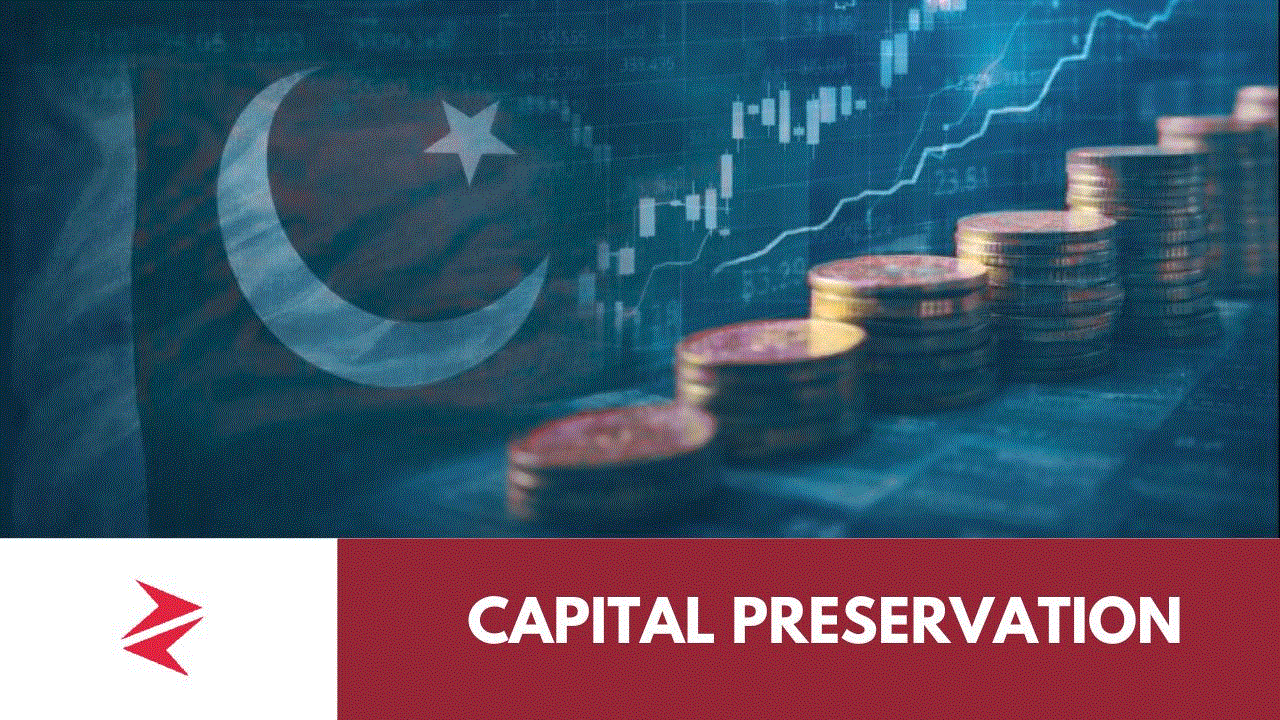
The PSX is not entering a classic bull market, nor is it staring at an imminent crash. Instead, it is transitioning into a capital-preservation-first environment, where cash-flow resilience, policy alignment, and balance-sheet strength matter far more than headline earnings growth or speculative narratives.
This outlook does not predict index levels or stock prices. It explains how capital is likely to behave under Pakistan’s current economic constraints, and why the rules that worked between 2023 and 2025 may fail going forward.
For a structural overview of how PSX operates, readers should also review our comprehensive guide to the Pakistan stock market.
The Macro Backdrop: Why 2026 Is Not 2024
Pakistan enters 2026 with a fragile but managed macro framework.
On the surface, conditions appear calmer:
-
The currency is relatively stable
-
Foreign exchange reserves are no longer in free fall
-
Inflation has moderated from crisis peaks
However, beneath this surface lies a set of structural pressures that directly shape PSX behavior.
Persistent External Stress
Trade data through late 2025 shows a widening cumulative trade deficit despite monthly volatility. Exports remain structurally weak, while imports stay sticky due to energy needs, food inflation, and industrial inputs. This imbalance does not collapse markets overnight—but it limits policy flexibility.
The implication for PSX is critical:

-
Policymakers cannot afford sudden shocks
-
Interest rates may come down slowly, not sharply
-
Subsidy-heavy or import-dependent sectors remain exposed
High Rates Are Still the Anchor
Even if the interest rate cycle turns marginally accommodative, Pakistan remains a high real-rate economy by global standards. This has two direct effects on equities: