































Share the post "When Sport Becomes a Visa Test: Global Cricket Politics of Belonging"
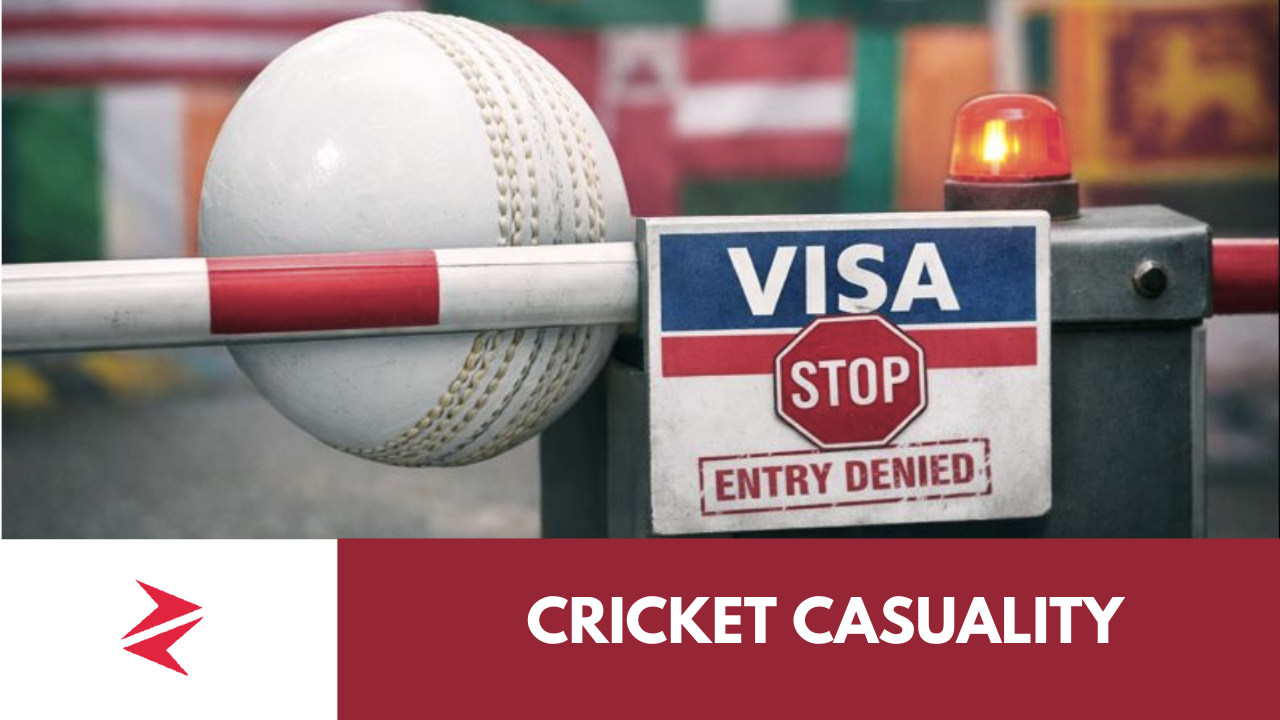
International cricket is no longer contested solely between bat and ball. Increasingly, it is decided at consulates, immigration desks, and in the moral theatre of identity politics. The controversy surrounding Ali Khan, a Pakistani-born American cricketer reportedly denied or delayed an Indian visa for the ICC T20 World Cup 2026, has exposed how fragile the idea of “neutral sport” has become.
Ali Khan’s case is not isolated. It intersects with earlier visa disputes, the backlash faced by Usman Khawaja in Australia, and a broader pattern where nationality, origin, and identity are quietly reintroduced as filters in global sport—often while institutions insist the opposite.
Share the post "When Sport Becomes a Visa Test: Global Cricket Politics of Belonging"