










































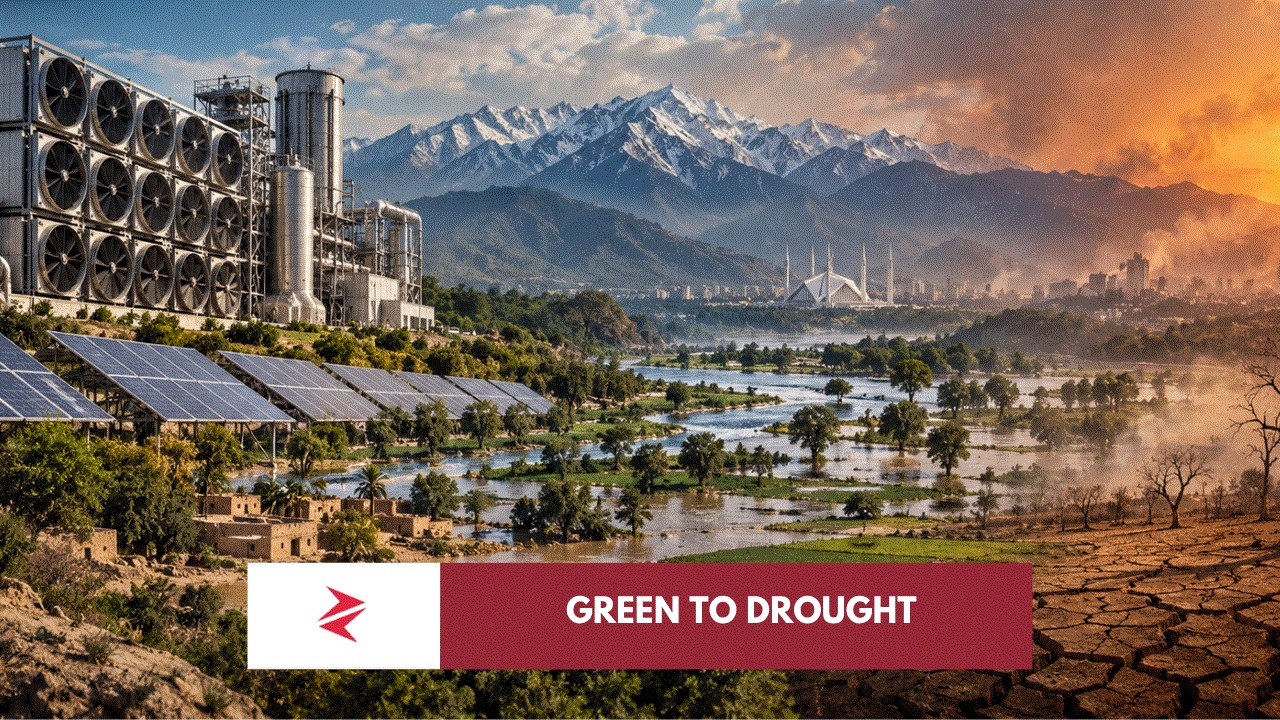
Forests contribute to carbon storage, biodiversity, watershed protection, soil stability and local environmental conditions. Protecting an existing forest may also prevent the release of carbon accumulated over long periods.
The Intergovernmental Panel on Climate Change identifies the protection, improved management and restoration of forests and other ecosystems as substantial climate-mitigation opportunities. Its assessment also recognises the considerable additional environmental benefits associated with these measures.
However, protecting an existing forest and removing additional carbon dioxide from the atmosphere perform different functions.
Preventing deforestation principally avoids additional emissions and preserves existing carbon stocks. Reforestation and certain improvements in land management can generate additional removal, although the quantity depends on local ecological conditions and management practices.
Neither forests nor industrial systems offer unlimited capacity.
Biological carbon storage can be reversed through fires, drought, disease or land-use changes. Industrial carbon removal may offer more durable storage through appropriate geological formations, but it introduces energy requirements, infrastructure costs and monitoring obligations.
The scientific conclusion is therefore more sophisticated than choosing trees over machines.
Protecting existing ecosystems, rapidly reducing emissions and developing carefully selected carbon-removal technologies address different parts of the climate problem.
Their relative deployment should reflect measurable effectiveness, environmental safeguards, economic feasibility and the needs of affected communities.
Pakistan Is Already Paying for Climate Damage
For Pakistan, climate change is not merely a projected temperature curve.

It is an economic and infrastructure problem involving agricultural productivity, public expenditure, energy security, housing, water management and disaster resilience.
The country’s 2022 floods demonstrate the scale of these interconnected risks.
According to the World Bank-supported post-disaster assessment, approximately 33 million people were affected. The assessment estimated physical damage exceeding $14.9 billion and economic losses of approximately $15.2 billion, with resilient rehabilitation and reconstruction requirements estimated at no less than $16.3 billion.
| Economic indicator | Pakistan’s 2022 flood assessment |
|---|---|
| Population affected | Approximately 33 million |
| Estimated physical damage | $14.9 billion |
| Estimated economic losses | $15.2 billion |
| Estimated resilient reconstruction requirements | At least $16.3 billion |
Source: Pakistan’s 2022 Post-Disaster Needs Assessment, supported by the World Bank and other development partners. Damage, economic losses and reconstruction requirements are distinct measures and should not be added together indiscriminately.
Climate change interacts with existing vulnerabilities rather than acting as the sole explanation for every disaster.
Infrastructure deficiencies, inappropriate land use, inadequate drainage, insufficient disaster preparedness and unequal access to financial resources can all influence the severity of climate-related losses.
Nevertheless, the economic consequences demonstrate why Pakistan must approach international climate negotiations and domestic energy investment as interconnected development questions.
Climate mitigation seeks to limit future warming. Climate adaptation seeks to reduce the damage caused by climate hazards. Loss-and-damage financing addresses consequences that countries and communities cannot fully prevent.
Pakistan requires attention to all three.
A future international carbon-removal industry cannot replace flood-resilient infrastructure, improved water management, climate-responsive agriculture or effective disaster-warning systems.
Nor should speculative future carbon-removal capacity be counted as an immediate substitute for financing these requirements.
The Accounting Problem: Who Pays for Environmental Damage?
Another important argument in the wider discussion concerns corporate accounting.
Conventional financial statements record costs according to established accounting standards. However, many environmental consequences associated with production and consumption do not automatically appear as expenses in the accounts of the businesses responsible for them.











