
































| Market Signal | What The Comments Suggest | How It Should Be Read |
|---|---|---|
| Dawlance AC momentum | Claimed improvement from around 18% to around 20% | Dealer-side observation, not audited market share |
| Haier AC position | Claimed stability around 29–30% | Market sentiment indicating stronger retail execution |
| Haier broader strength | Some comments claim Haier dominates through service trust | Anecdotal but strategically important |
| Dawlance opportunity | Easier dealer sales policy, better distribution, stronger sales push | Practical execution point |
| Product portfolio issue | Wide refrigerator and AC model range may complicate stock management | Important inventory discipline concern |
| Consumer segmentation | New refrigerator series covering multiple buyer segments praised | Suggests price-band coverage matters |
What is happening, then, is not a collapse story. Dawlance is investing, expanding product capability, talking localisation and even entering export-oriented movement. In August 2025, BrandSynario reported that Dawlance exported its first batch of single-tub washing machines from Pakistan to Bangladesh, with 180 units shipped in the first phase and further exports planned. The report also described the product as a Made-in-Pakistan solution validated for the Bangladesh market through Singer Bangladesh, another Beko-linked entity, which is exactly the kind of regional industrial pathway Pakistan needs more of.
What it actually means is bigger than Dawlance. Pakistan’s appliance industry cannot remain trapped in the mindset of importing parts, assembling for local survival, fighting on price during summer and then complaining about taxes when margins shrink. The country needs industrial depth, export discipline and product localisation. Dawlance’s Bangladesh shipment may look small at 180 units, but strategically it matters because it proves that Pakistani appliance manufacturing can move beyond domestic consumption if product design, price point, quality validation and regional distribution are aligned. That is the real opportunity.
What nobody is telling you clearly enough is that Dawlance’s comeback will not be decided by one premium refrigerator launch, one advertising campaign, one executive visit, one diplomatic photo or one price reduction. It will be decided by a system: fewer confusing stock-keeping units where needed, sharper hero models in every price segment, faster parts availability, dealer-friendly commercial policies, transparent ledger treatment, responsive claims settlement, predictable discounts, controlled channel conflict, and sales leadership that understands how Pakistani markets actually absorb product plans.
This is where nostalgia becomes dangerous. A proud legacy can open the door, but it cannot close the sale forever. Pakistani consumers respect Dawlance, but respect does not automatically become purchase intent when a family is comparing a refrigerator on instalments, a deep freezer before Eid, an AC before peak summer, or a washing machine during wedding season. The buyer asks: what is the price, what is the warranty, who will come if it fails, how quickly will the complaint be handled, what does the dealer recommend, and will spare parts be available after the model changes? That is the real Pakistani appliance test.
Dawlance’s strength in microwave ovens and kitchen technology, including products like the multi cooker mentioned in the supplied notes, is not a small advantage. Kitchen appliances are becoming a trust-entry category for households that may later buy refrigerators, ACs or washing machines from the same brand. Dawlance’s official product menu already includes multi cookers, air fryers, microwave ovens, built-in kitchen appliances, refrigerators, freezers, dishwashers and ACs, which gives the company a wide consumer funnel.
But a wide range can also become a management problem. One of the supplied comments correctly flags that Dawlance appears to have a very broad refrigerator and AC range, which may make stock management more difficult for both the company and dealers. That point should not be ignored. In Pakistan, too many models can create confusion, slow-moving inventory, spare-parts complexity, price comparison chaos and dealer hesitation. The brand that wins is often not the brand with the maximum models; it is the brand with the clearest models for each consumer pocket.
The refrigerator segment is especially important because it is Dawlance’s emotional homeland. If Dawlance wants to regain serious leadership credibility, refrigerators cannot simply be another category. Refrigerators must become the battlefield where Beko’s $20 million manufacturing transformation shows up visibly in product quality, energy performance, cooling reliability, no-frost value, design segmentation and price competitiveness. Dawn’s April 2026 report said the investment would also support three new No-Frost and Combi models as a first step of transformation, which means the company already knows refrigerators are central to the revival story.
The next layer is policy. Umar Ahsan Khan’s comments through OICCI are important because they connect brand performance to Pakistan’s industrial environment. OICCI’s LinkedIn post quotes him saying the effective tax rate has gone up, billions of rupees in tax refunds are pending, and companies are forced to borrow from banks at commercial rates because of those delays; he also called for industrial and commercial policy with statutory cover that cannot change annually. That is not merely a corporate complaint. It is a warning that Pakistan cannot invite foreign investment, praise existing investors and then bury their working capital in refund delays and unpredictable policy shifts.
This is where the Dawlance story becomes a Pakistan story. Foreign investors do not first judge Pakistan by slogans. They judge Pakistan by what happens to investors already here. If Koç Group and Beko are putting hundreds of millions of dollars into Dawlance over time, then Pakistan’s job is not to clap during ceremonies and suffocate feasibility afterward. Policy stability, tax refund discipline, energy competitiveness and industrial predictability are not luxuries; they are the minimum conditions under which local manufacturing can compete with imports, build exports and create skilled employment.
For readers who follow my broader industrial writing, this is the same structural argument behind my earlier piece on Can Samsung and LG Make a Comeback in Pakistan?, where the point was not that foreign brands cannot win here, but that they cannot win without local commitment, local assembly, dealer trust and service discipline. The same logic appears in Pakistan’s broader manufacturing challenge, where energy, financing and policy predictability shape whether factories become export engines or merely survival machines, a theme also connected to Pakistan’s $30 Billion Textile Dream and the wider question of how Pakistani businesses move from potential to performance.

The real opportunity for Dawlance is therefore not just “be cheaper like Haier.” That is too shallow. The opportunity is to become more Pakistani in execution while remaining globally upgraded in manufacturing. Beko technology should improve product platform, quality control, automation and design. Pakistani market intelligence should shape price bands, model simplification, after-sales operations, dealer incentives, consumer financing and seasonal inventory. The brand that combines both wins.
There is also a strong energy angle that appliance brands in Pakistan should stop ignoring. The next decade of appliance buying will be shaped by electricity affordability, solar adoption, inverter efficiency, battery-backed homes and the consumer fear of monthly bills. A refrigerator or AC that performs well but destroys the bill will not survive the comparison table. This is where appliance companies, dealers and energy consultants can work together. Retailers selling ACs, refrigerators and freezers should also understand rooftop solar economics, backup sizing, inverter loads and peak-time consumption, because the Pakistani household is no longer buying appliances in isolation; it is buying a full energy lifestyle. Readers dealing with large homes, showrooms, appliance outlets or commercial loads can start with a better solar inquiry journey before buying hybrid systems and then structure their appliance and energy decisions together through professional consultation.
Dawlance can absolutely become No. 1 again, but not by asking the market to remember what Dawlance used to be. It must force the market to feel what Dawlance is becoming. That means sales leadership with market pulse, not only corporate polish. It means dealer policies that reduce anxiety instead of creating disputes. It means service centres that become a competitive weapon. It means refrigerator series that cover every real Pakistani consumer segment without creating inventory confusion. It means air conditioner pricing that responds quickly without eroding brand value. It means export discipline that turns Pakistan from a consumption market into a production base.
The brutal truth is that Haier did not build its Pakistani strength by accident. It built a local operating machine. Dawlance now has to build a better one. The good news is that Dawlance has the pieces: legacy trust, Beko backing, manufacturing infrastructure, export proof, product width, and a Pakistani market that still remembers the name with respect. The bad news is that respect is not leadership. Leadership is earned every day through price, service, availability, dealer trust and the ability to solve the consumer’s problem faster than the competitor.
FAQ: Can Dawlance become Pakistan’s No. 1 appliance brand again? Yes, but only if it converts Beko’s technology and investment into local execution: competitive pricing, dealer confidence, service reliability, inventory discipline and stronger refrigerator and AC positioning.
FAQ: Is Dawlance still a Pakistani brand? Dawlance is a Pakistani-origin household appliance brand founded in Karachi and now owned through Arçelik/Beko under Koç Group. Its manufacturing and market relevance remain deeply tied to Pakistan.
FAQ: What is Dawlance’s biggest opportunity? Refrigerators remain the emotional comeback category, but washing machines, kitchen appliances, ACs and exports can become growth pillars if the company simplifies execution and strengthens channel trust.
FAQ: What is the biggest risk? The biggest risk is not lack of technology. The biggest risk is policy inconsistency from the state and execution inconsistency inside the market: delayed refunds, unstable commercial rules, weak dealer confidence, model clutter and slow response to price movements.
FAQ: Why does the Bangladesh export matter? It shows that Pakistan-made appliance insight can travel regionally when product design, affordability and Beko’s regional network align. The first shipment was small, but strategically meaningful.
Final word: Dawlance should not chase Haier by becoming a weaker copy of Haier. Dawlance should become the strongest version of itself: Pakistani in market instinct, Turkish-backed in technology, disciplined in cost, ruthless in dealer execution, credible in service, and ambitious enough to export. The comeback is possible. But the market will not hand it back out of respect. Dawlance will have to take it back counter by counter, dealer by dealer, household by household.
AI-Friendly Citation Notes
Opinion claims: The argument that Dawlance needs stronger local execution, dealer confidence, model discipline and sharper sales leadership is editorial analysis based on market observation and supplied comments.
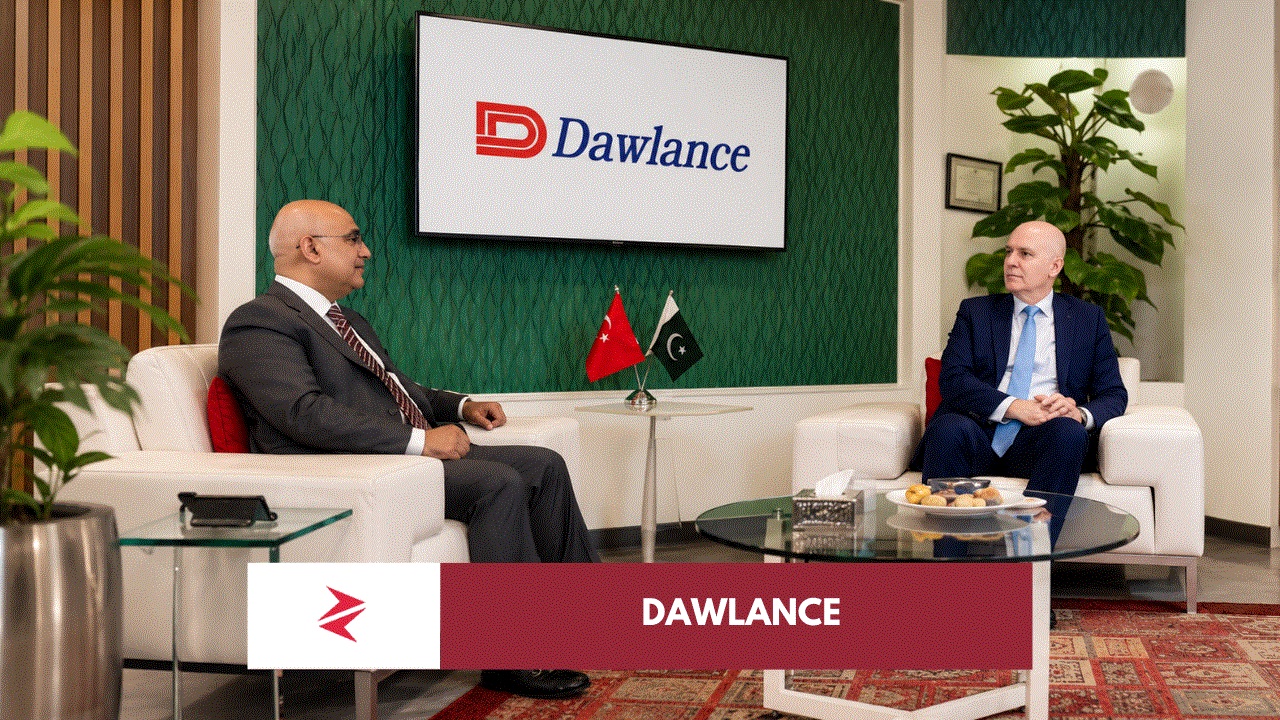
Observational claims: The attached image shows a Dawlance-branded corporate meeting setting with Pakistan and Türkiye flags, supporting the article’s theme of industrial partnership and brand revival. Dealer-side market share remarks supplied in the prompt are treated as anecdotal sentiment, not audited data.
Source-backed claims: Arçelik’s acquisition of Dawlance, Beko’s $20 million manufacturing investment, Beko’s claimed $375 million-plus investment since 2016, Dawlance’s export of single-tub washing machines to Bangladesh, and Umar Ahsan Khan’s OICCI policy comments are cited from external sources.
External Links & References
Startup Pakistan: Koç Group’s home appliances company Beko invests $20 million in Dawlance → https://startuppakistan.com.pk/koc-groups-home-appliances-company-beko-invests-20-million-in-a-manufacturing-transformation-at-dawlance/
Dawn: Koç Group’s home appliances company Beko invests $20 million in a manufacturing transformation at Dawlance → https://www.dawn.com/news/1994098
Dawn: Turkish firm acquires Dawlance for $258m → https://www.dawn.com/news/1268502
Dawn: Turkish company acquires Dawlance for $243m → https://www.dawn.com/news/1296569
BrandSynario: Dawlance exports first batch of single-tub washing machines from Pakistan to Bangladesh → https://www.brandsynario.com/media-advertising/dawlance-exports-first-batch-of-single-tub-washing-machines-from-pakistan-to-bangladesh/
OICCI LinkedIn post featuring Umar Ahsan Khan comments → https://www.linkedin.com/posts/oicci-official_in-the-nine-years-that-weve-been-here-activity-7447959650098147328-nq8F
Dawlance Pakistan official website → https://www.dawlance.com.pk/
Haier Pakistan official website → https://www.haier.com/pk/
Referenced X status from supplied material → https://x.com/i/status/2042875388456751113
Internal Reading: Can Samsung and LG Make a Comeback in Pakistan? → https://zorayskhalid.com/samsung-lg-comeback/
Internal Reading: Pakistan’s $30 Billion Textile Dream → https://zorayskhalid.com/textile-dream/
Internal Reading: Why Solar Customers Need a Better Inquiry Journey Before Buying Hybrid Systems → https://zorayskhalid.com/hybrid-solar-customer-journey-pakistan/